


















The Japanese studio best known for the Xenoblade Chronicles series wasn’t always a household name for Zelda fans. Monolith Soft first worked with Nintendo on Skyward Sword back in 2011, contributing important development support early in the Wii era. From those first steps the partnership grew steadily deeper, with the team taking on more creative involvement as Nintendo entrusted it with larger chunks of development responsibility.
By the time Breath of the Wild began to take shape, Monolith Soft’s role had expanded significantly. Staff from Nintendo and Monolith would meet regularly to exchange ideas during Breath’s development and that closer collaboration only strengthened with Tears of the Kingdom. According to the interview subjects, this shift from support work toward a more co-creative process was one of the most rewarding aspects of their shared history.
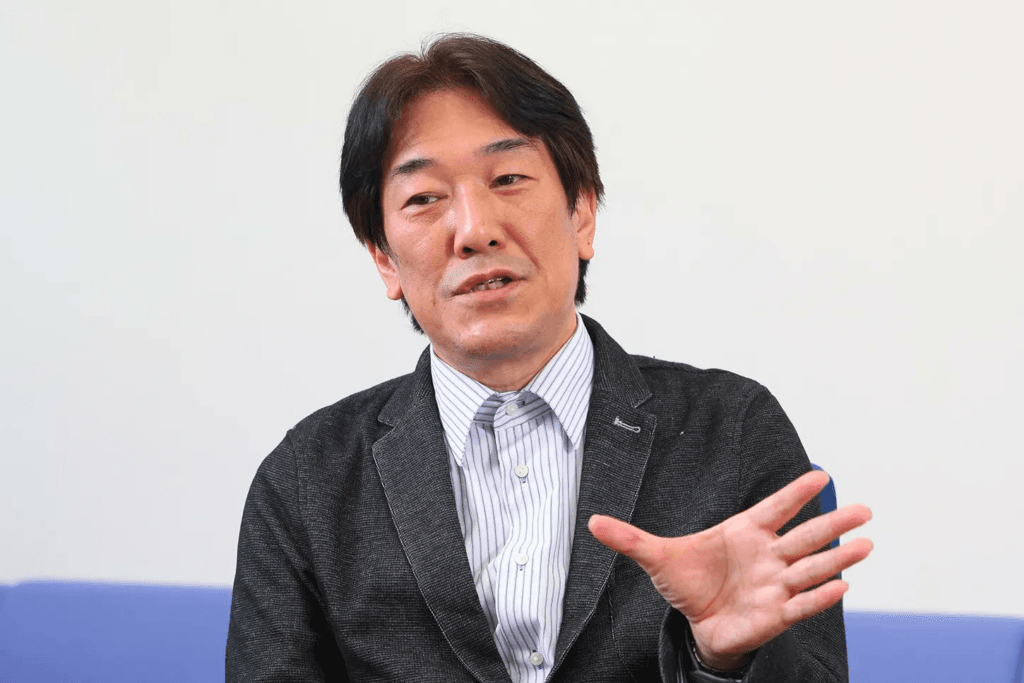
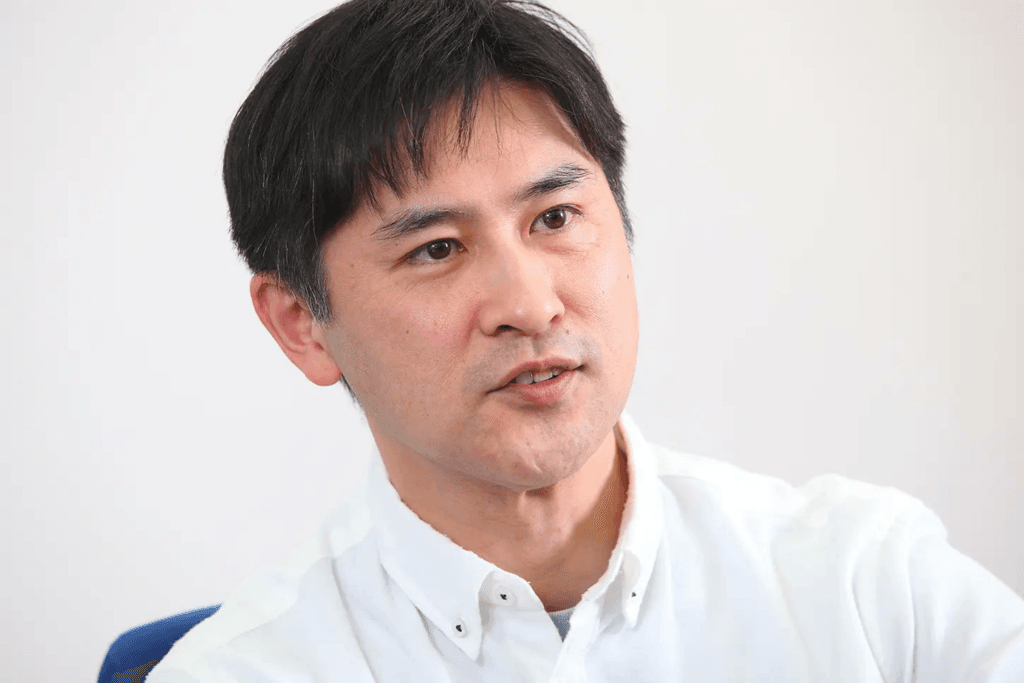
What makes this interview especially intriguing is how the topic turns toward the future. Daiki Iwamoto, Nintendo’s general manager for the Zelda franchise, spoke about hoping that Monolith Soft could play a “central role as a strong partner in creating the Zelda series from scratch,” rather than simply assisting on parts of production. That kind of language suggests Nintendo sees real value in Monolith’s contributions and may be open to even greater involvement down the road.
Monolith Soft’s own director, Yasuhiro Fujita, also discussed how the studio’s involvement has changed over time. He noted that in the early days the work was more about executing on Nintendo’s designs, but that in recent projects they’ve become a more active part of idea-making and problem-solving alongside Nintendo’s teams.
There’s no official word yet on what this all means in terms of future Zelda titles. A new mainline game hasn’t been formally announced, and it would be premature to assume Monolith Soft will lead development on the next blockbuster entry. Still, the interview makes it clear that the relationship between the two companies is stronger than ever and that the possibility of seeing Monolith take on an even more prominent role in Zelda’s future excites fans and developers alike.
What that future looks like remains to be seen, but for fans who have watched Monolith Soft grow from a support studio into a creative force alongside Nintendo, this interview offers a fascinating glimpse into how one of gaming’s most beloved franchises continues to evolve.
