With just weeks remaining until the arrival of Hyrule Warriors: Age of Imprisonment, Nintendo has revealed an exclusive pre-order incentive for fans in the UK and Ireland: a themed notebook. Every qualifying pre-order, whether digital or physical. will include this notebook (while supplies last). One side of it features Princess Zelda, the reverse shows Ganondorf in striking contrast.
You can reserve your copy now via the UK My Nintendo Store at a price of £58.99 for the digital edition or £66.99 for the physical version. For fans in Ireland the digital version is listed at €69.99, and the physical version at €79.99.
The game is officially scheduled to launch on November 6, 2025 for Nintendo Switch 2 in the UK and Ireland. Over the past months Nintendo and Koei Tecmo have steadily released new character profiles and plot details on the official site to stoke anticipation.
If you’ve already pre-ordered, your copy should automatically qualify for the notebook. Nintendo has stated even early orders placed before this bonus was announced will be honored, provided stock remains.
What kind of pre-order bonus would you hope to see in your region? Drop your thoughts in the comments below.
Hyrule Warriors: Age of Imprisonment Unveils New Character Details — Including Zelda’s Loyal Maid
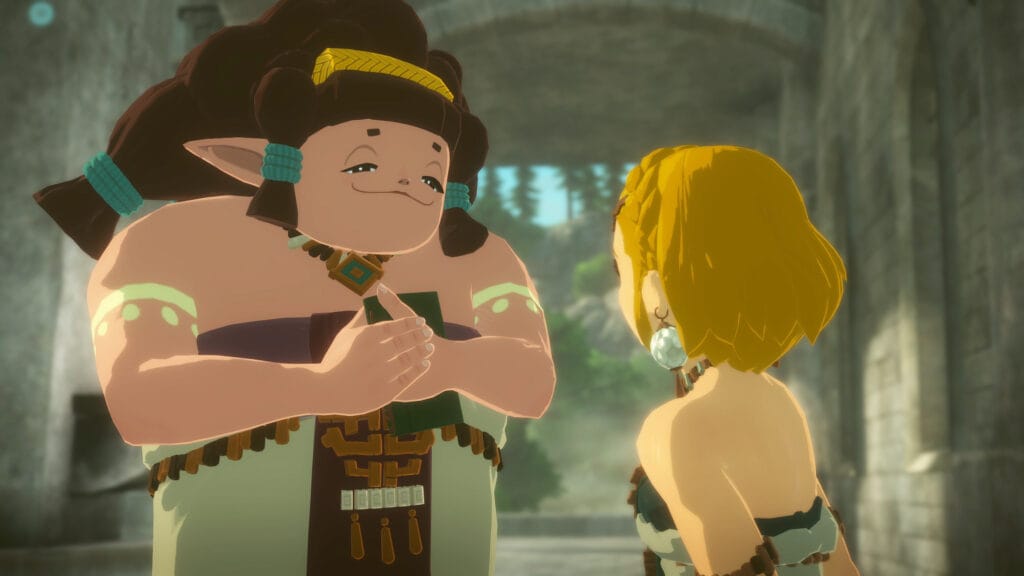
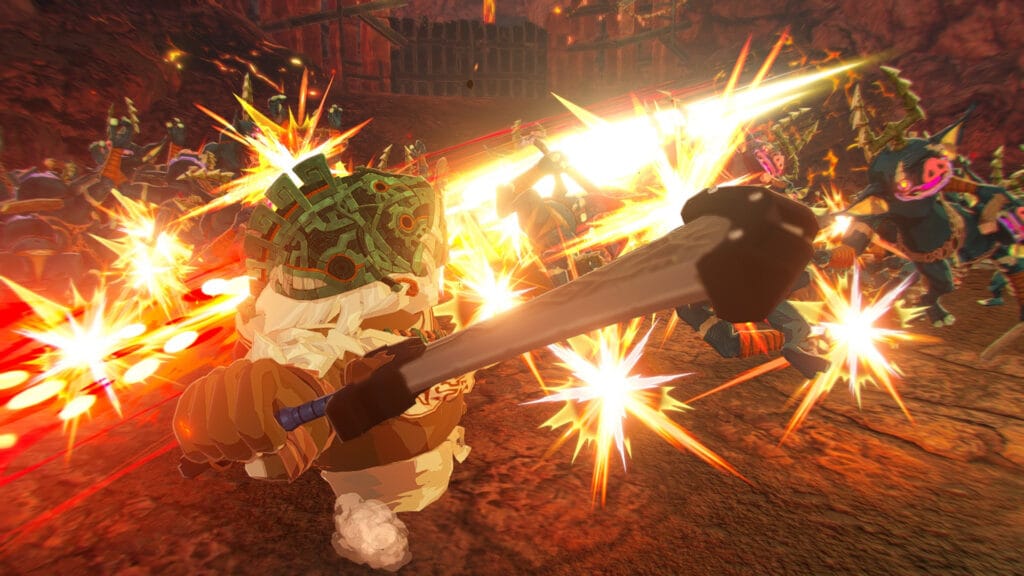
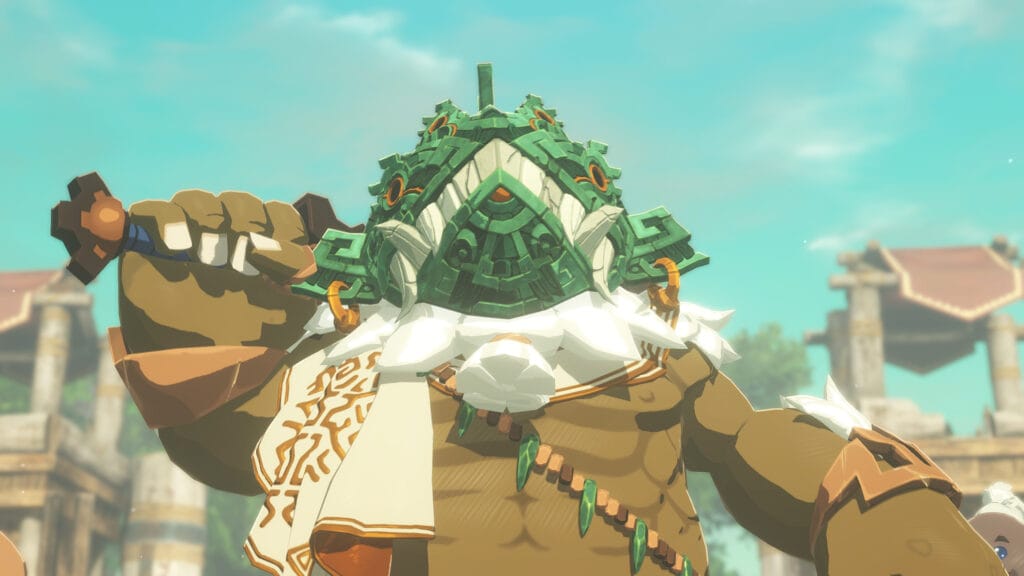
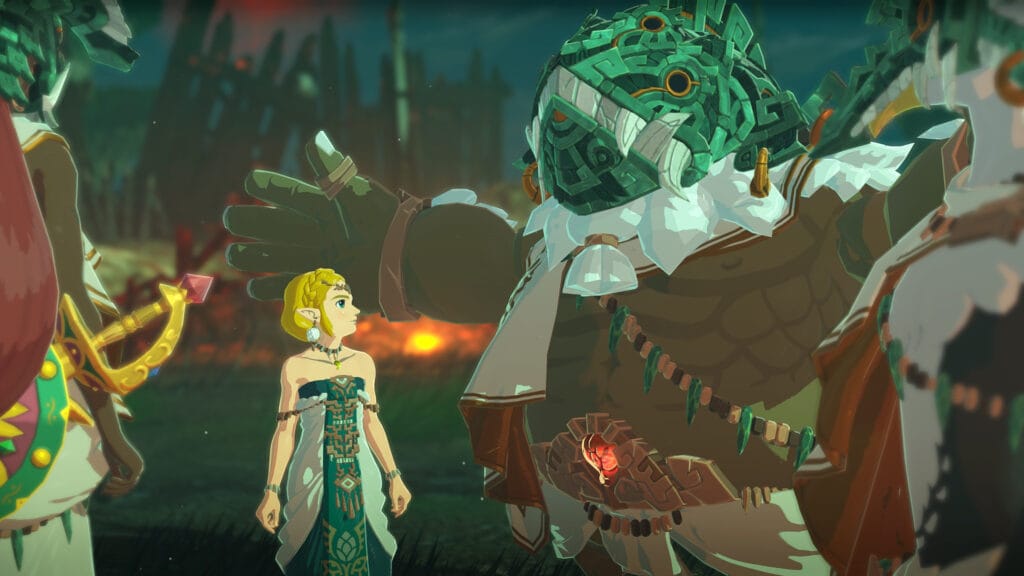
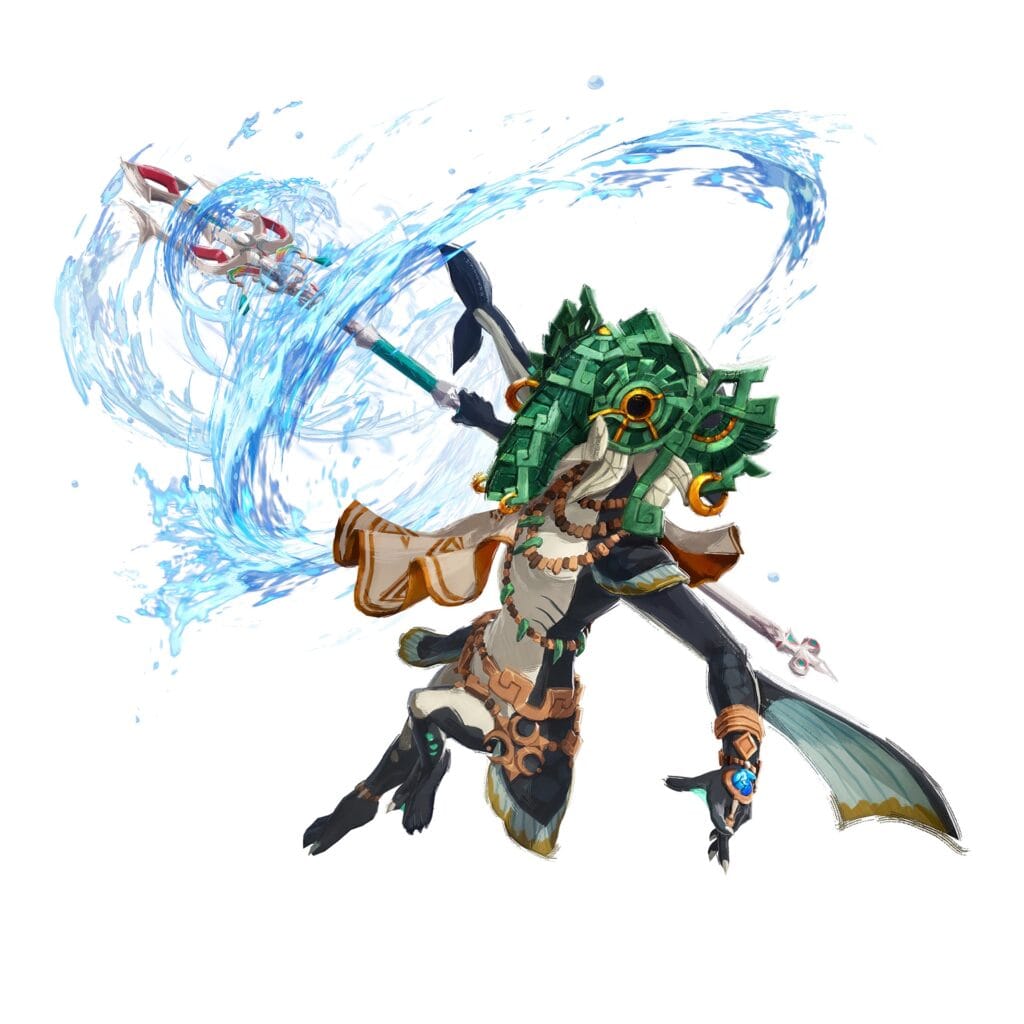
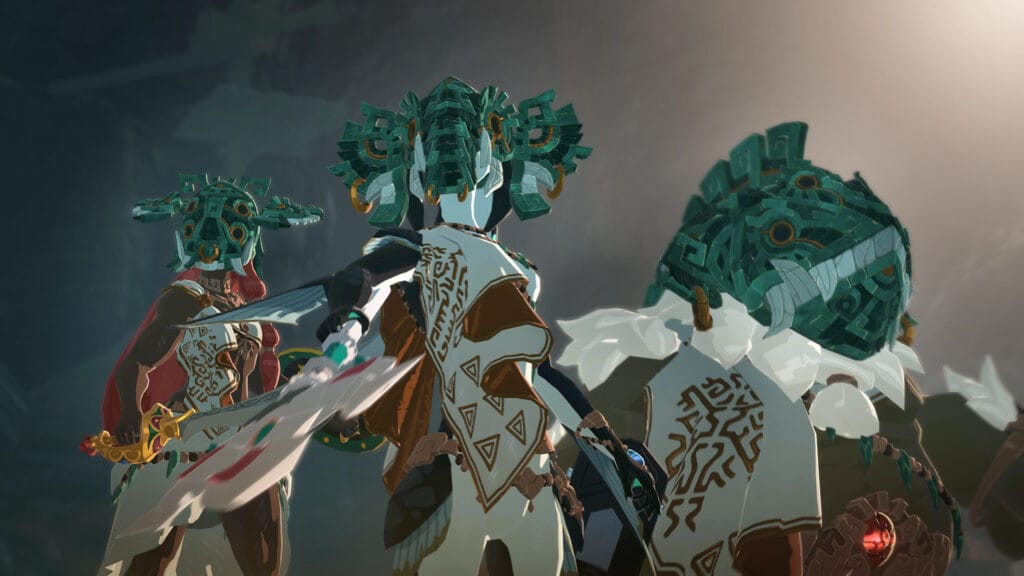
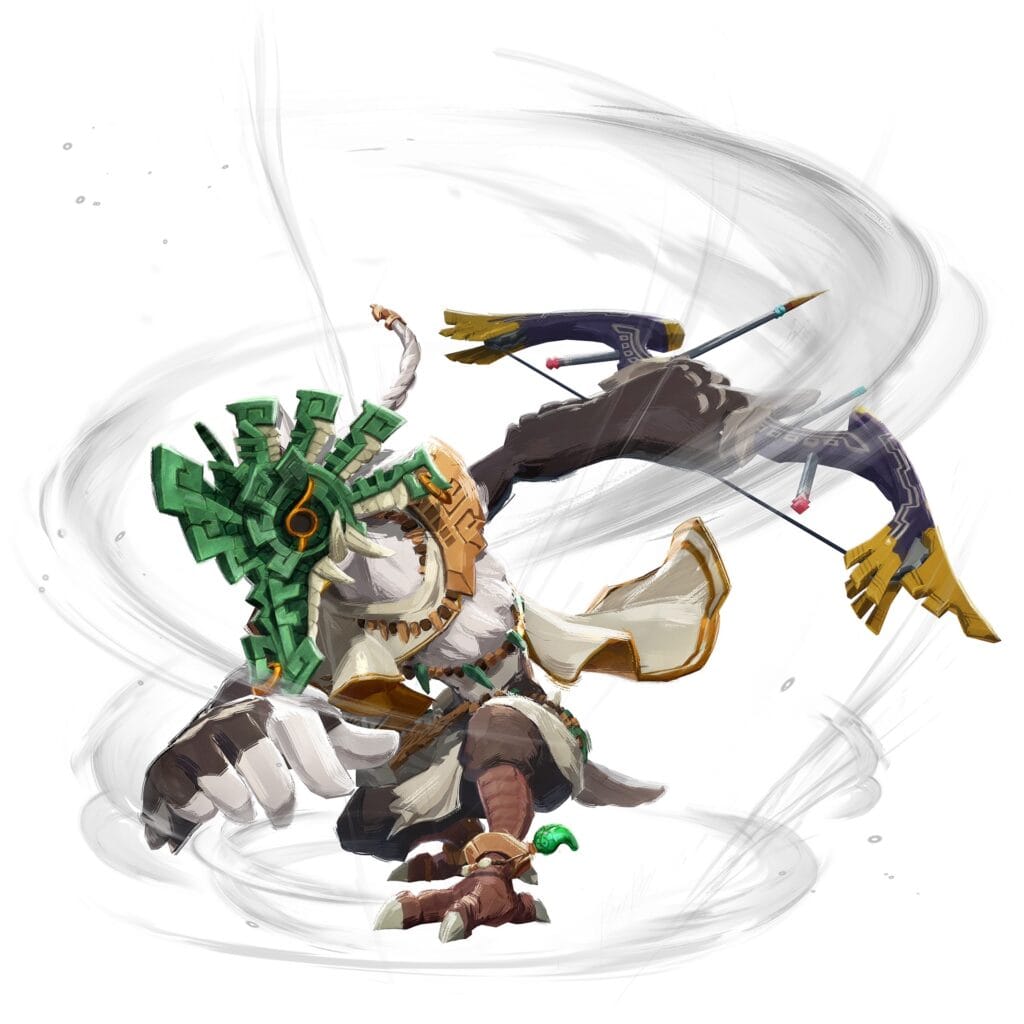
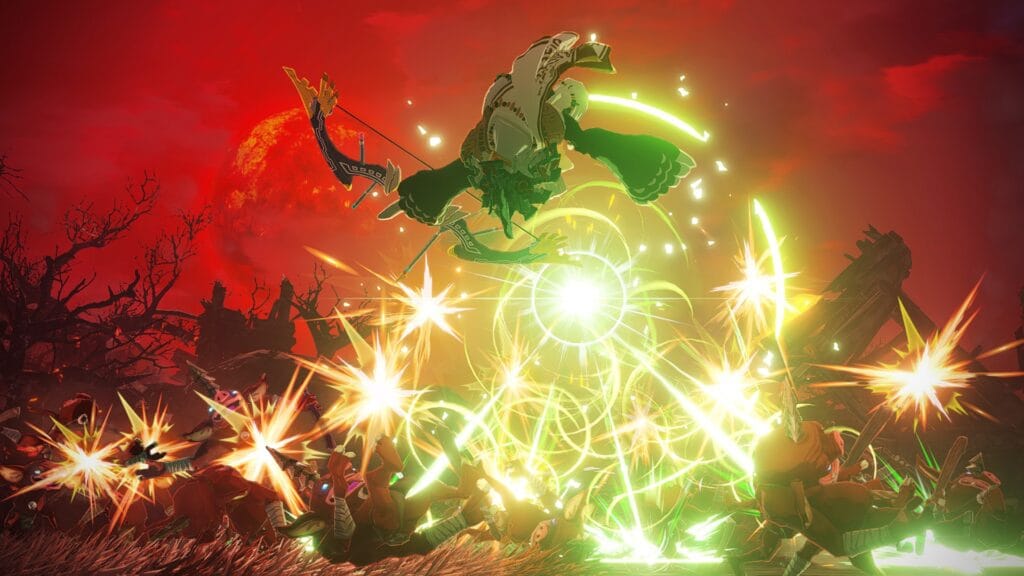
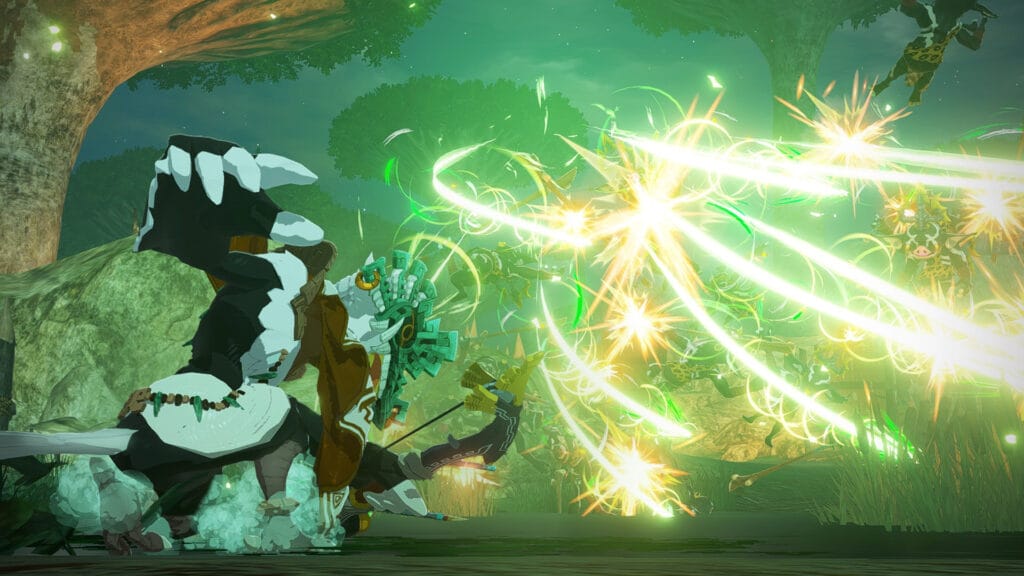
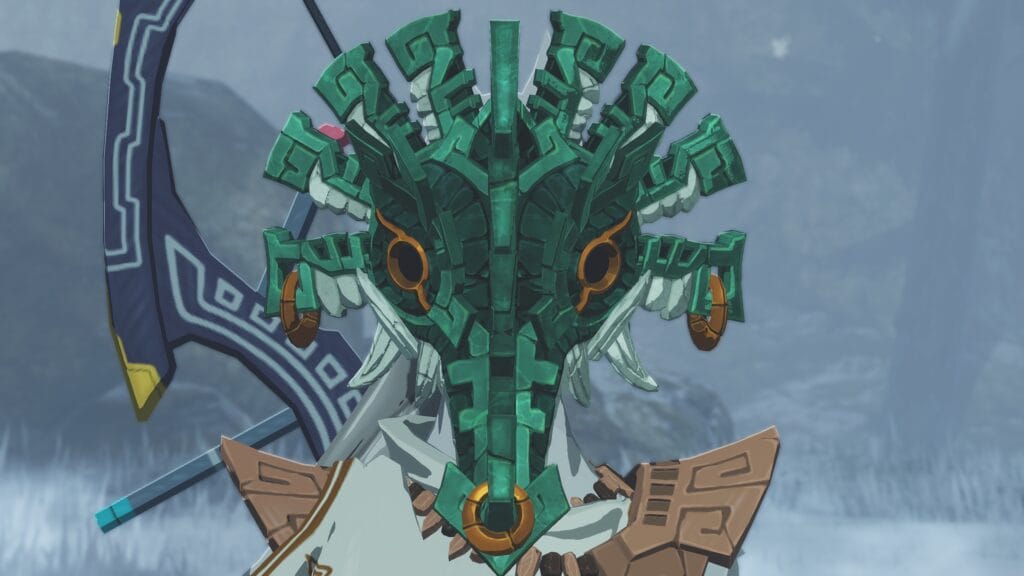
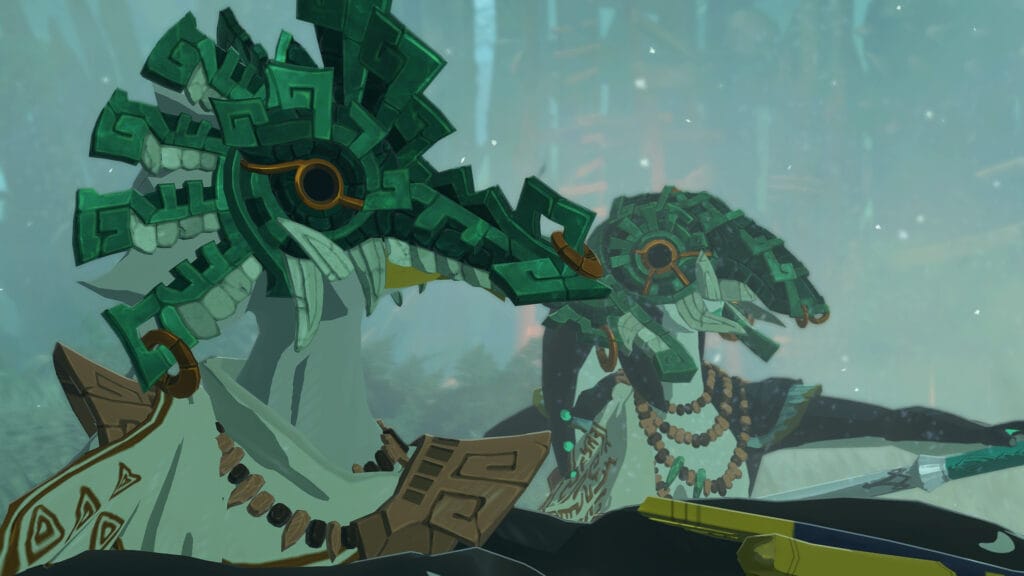
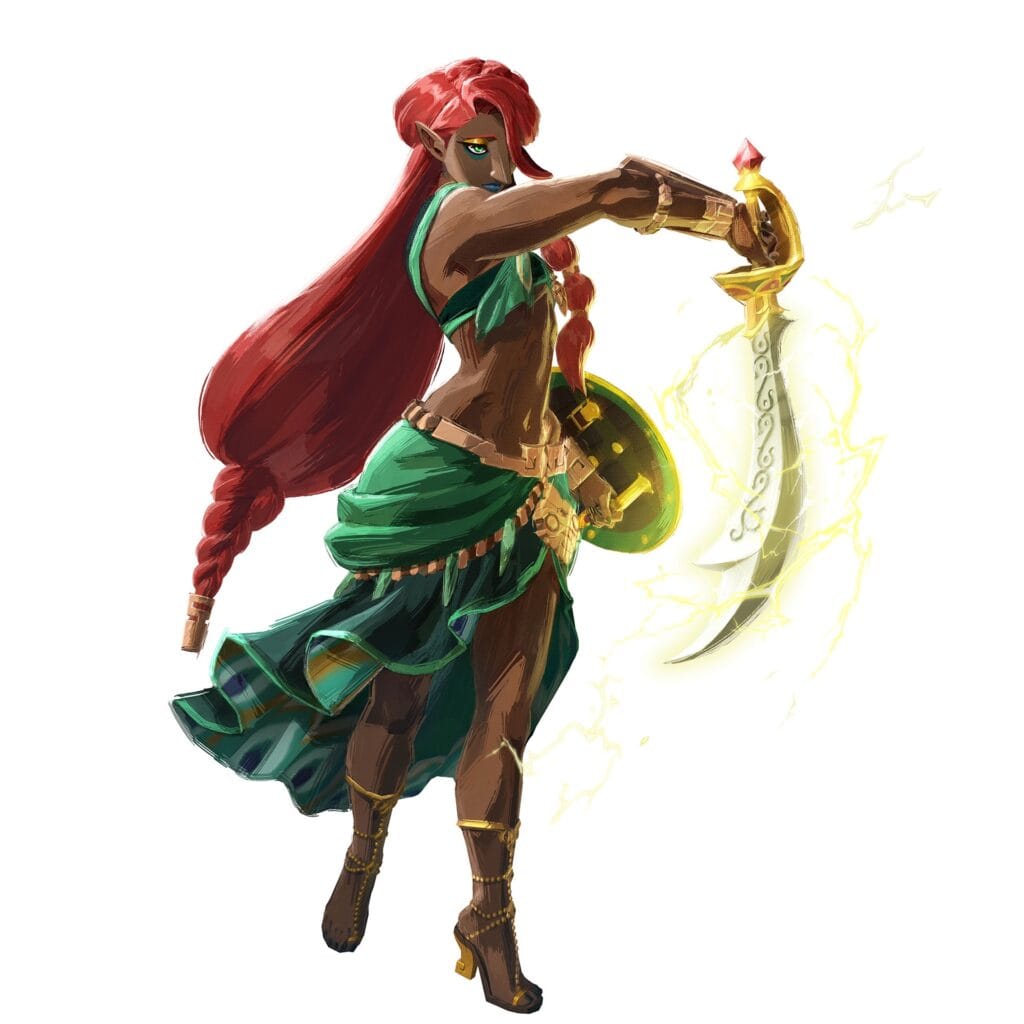
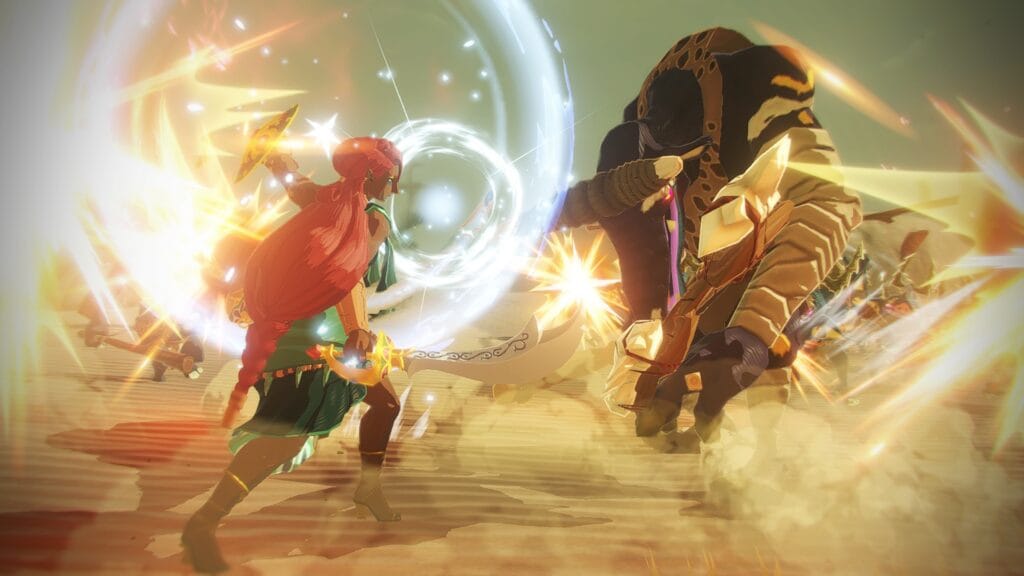
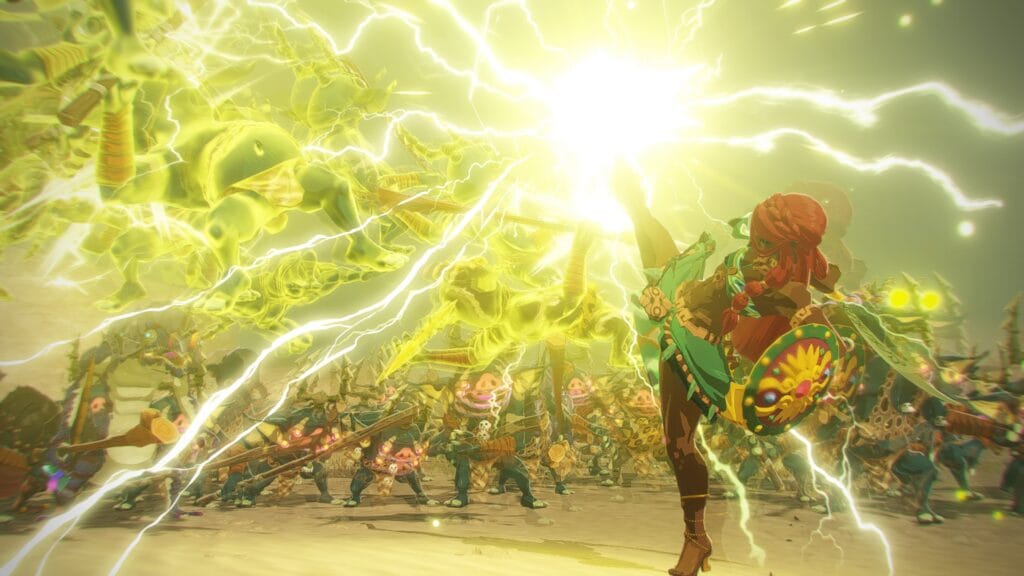
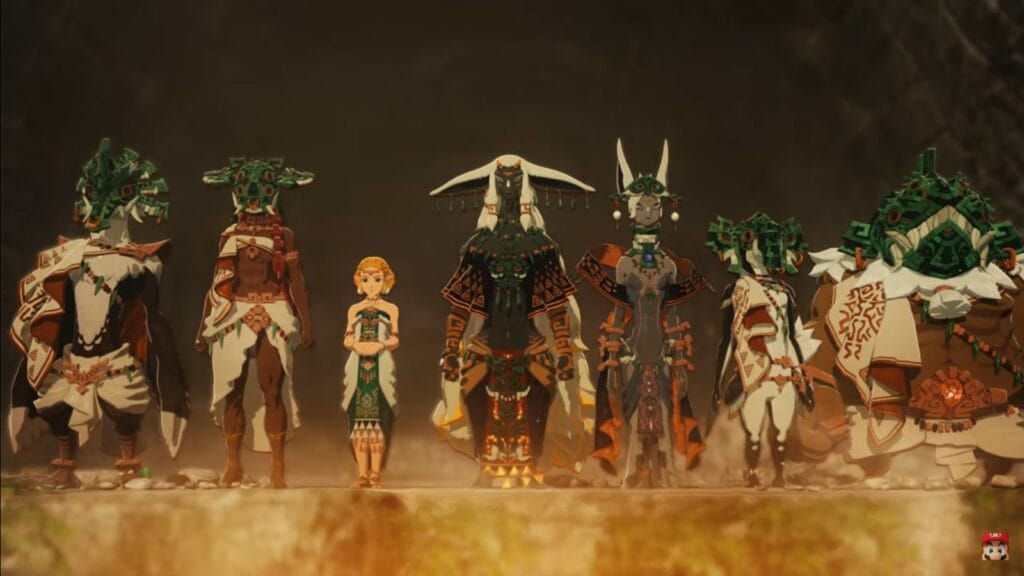
Koei Tecmo today released fresh character profiles for Hyrule Warriors: Age of Imprisonment, spotlighting five key figures: Argusta, Kia, Krafika, Ardi, and Lanaria. The first four are being introduced as Sages, while Lanaria is revealed in a very different but intriguing role: Princess Zelda’s trusted maid. (English-localized names have yet to be confirmed.)
Here’s what we know about each of them so far:
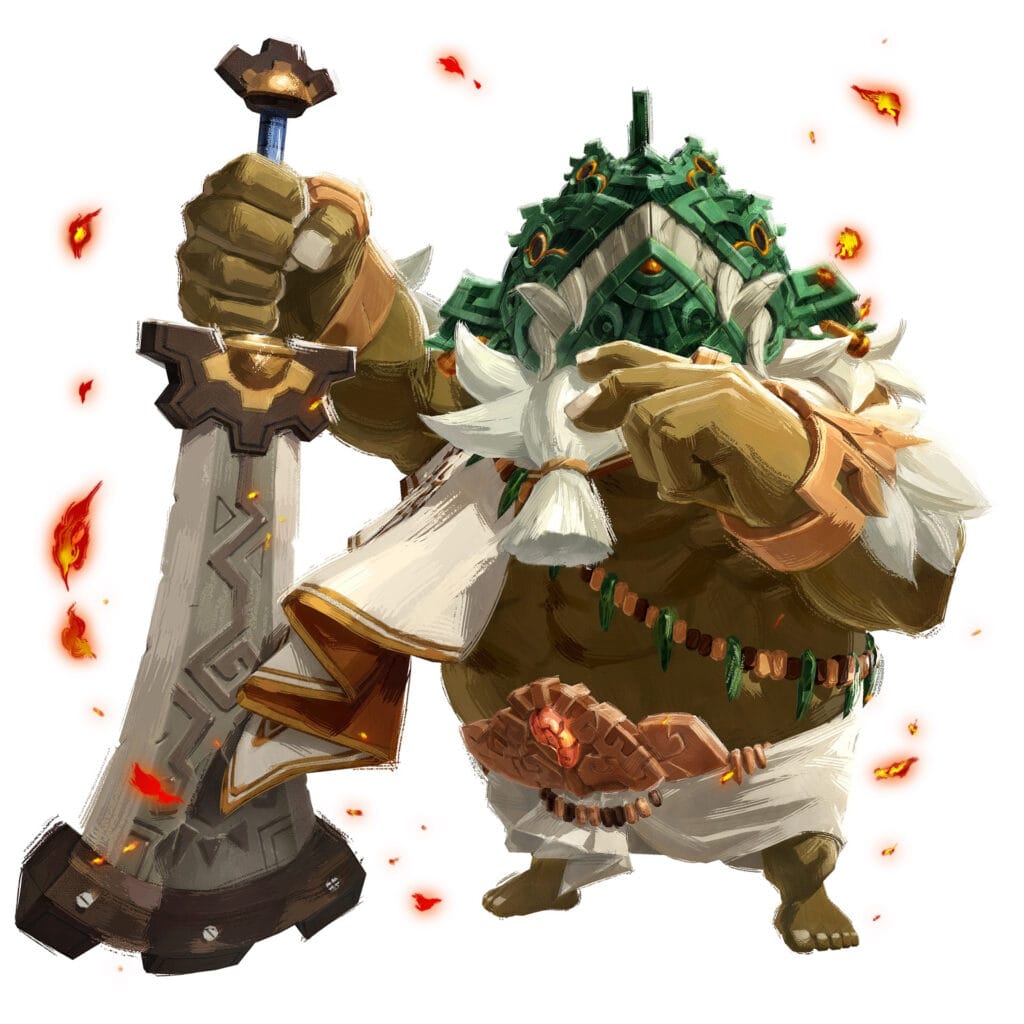
Argusta leads the Goron tribe and is held in high regard for his intelligence and generosity. He has long-standing bonds with Rauru, and their shared history hints at deeper connections in the conflict to come.
Kia is a Zora princess and a martial arts expert whose resolve on the battlefield inspires her people to stand firm. Her bravery is her hallmark, and she doesn’t shy away from danger.
Krafika serves as the Rito Sage and tribal leader. Although his statements or behavior may sometimes appear cryptic, underneath that ambiguity lies a fierce loyalty and deep concern for those close to him.
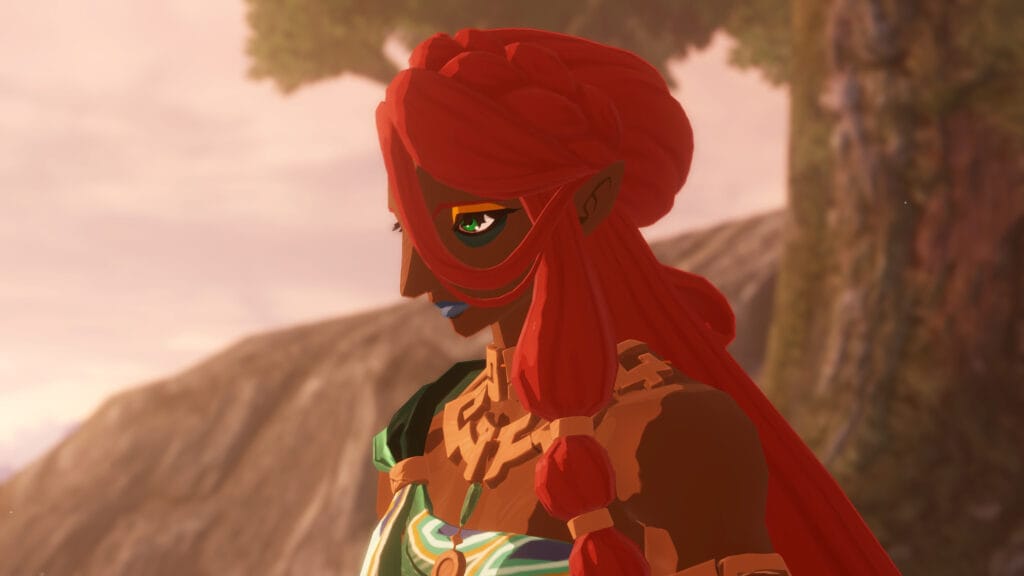
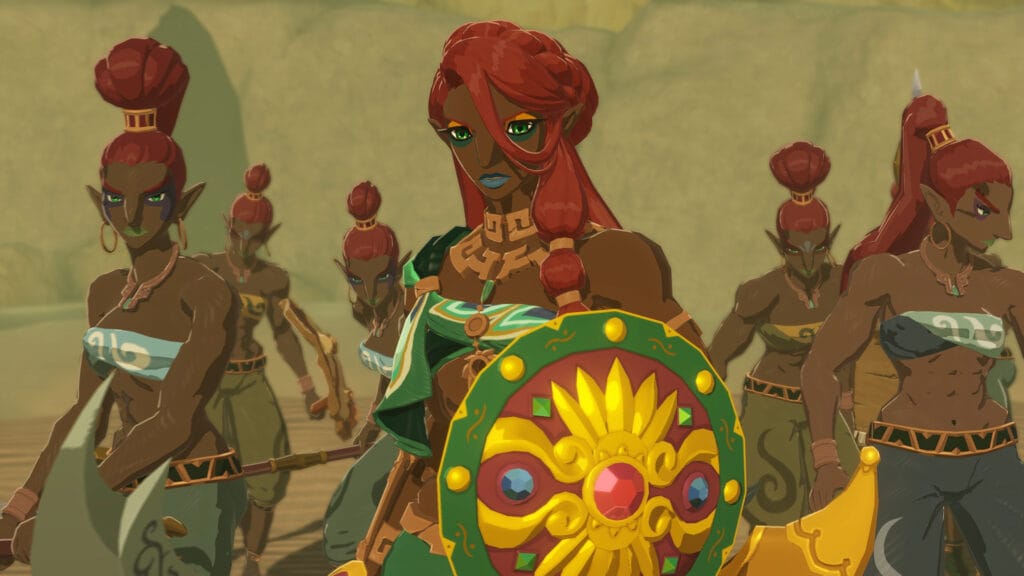
Ardi (also written “Aldy” in some sources) brings together the Gerudo tribe with compassion and strength. She initially operates under Ganondorf’s regime, following the codes of her people, yet the full arc of her allegiance remains a mystery.
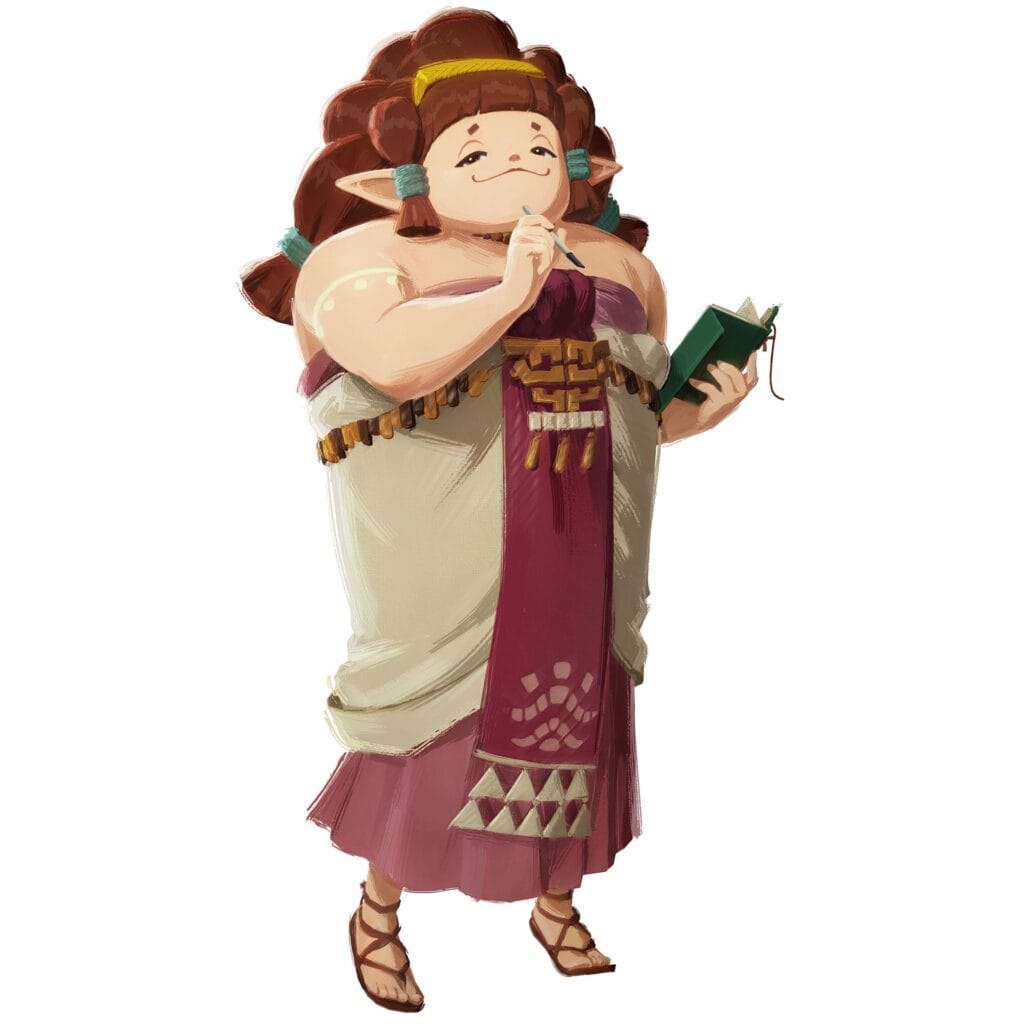
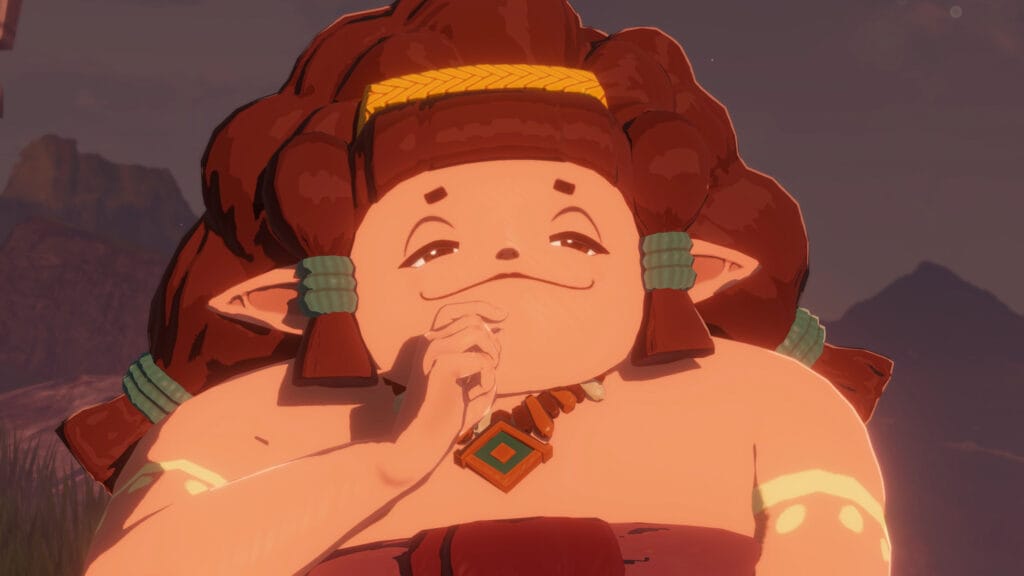
Lanaria holds a distinctive place in this lineup. As Zelda’s maid, she combines a warm, gentle presence with surprising efficiency in her duties. Rauru places great trust in her, and her fascination with the mystical sets her apart. She is rarely seen without her notebook, where she records observations and discoveries.
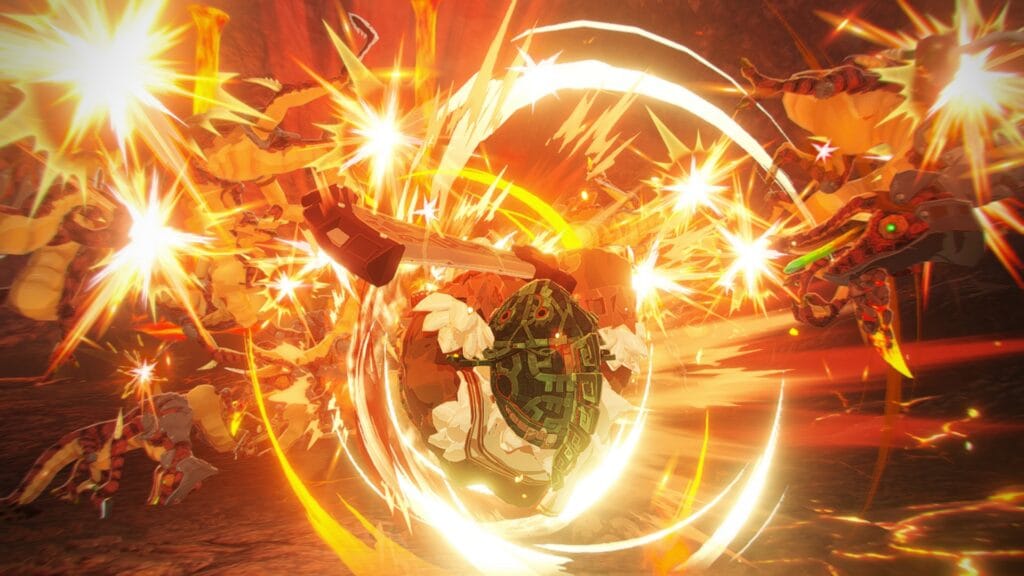
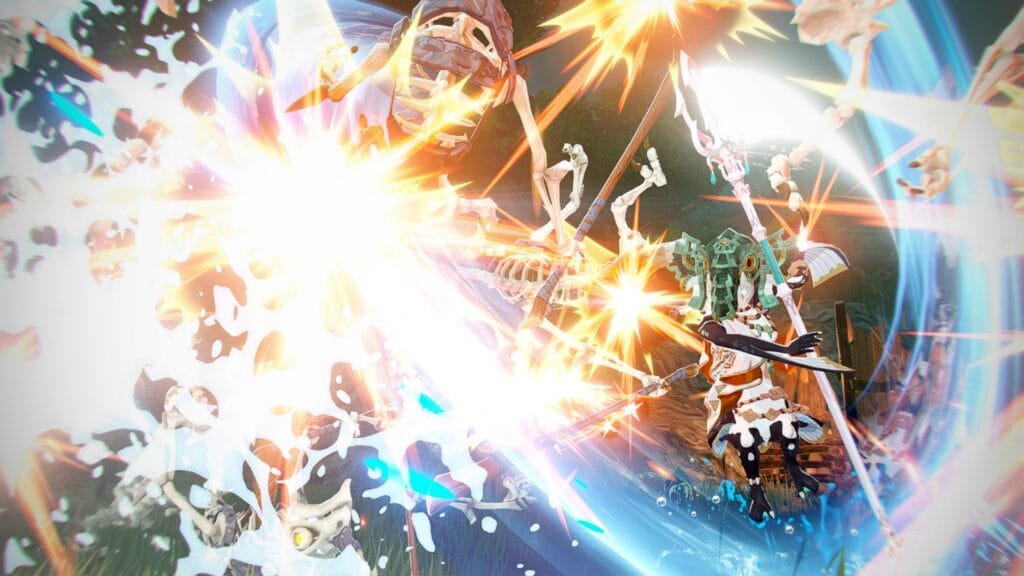
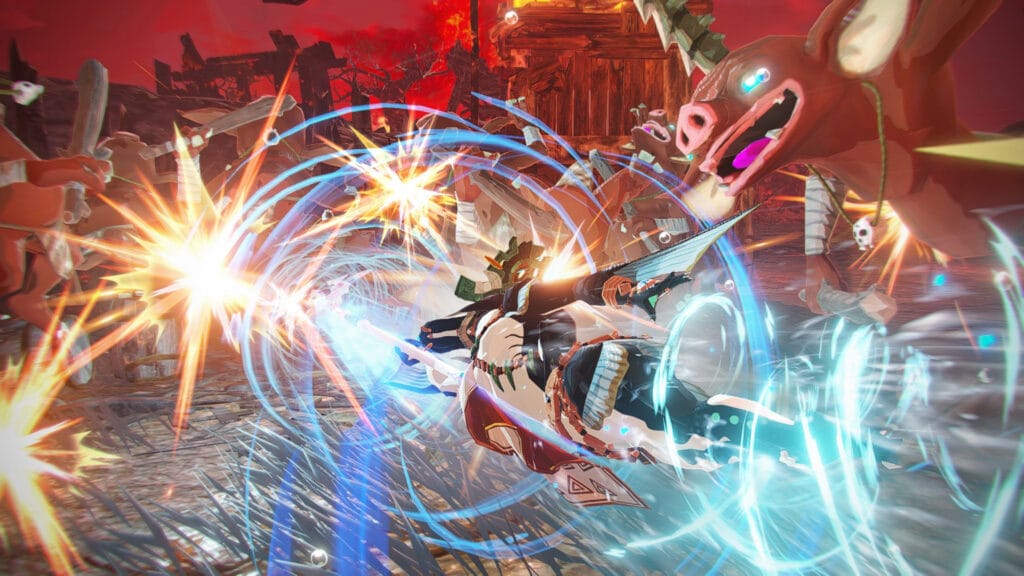
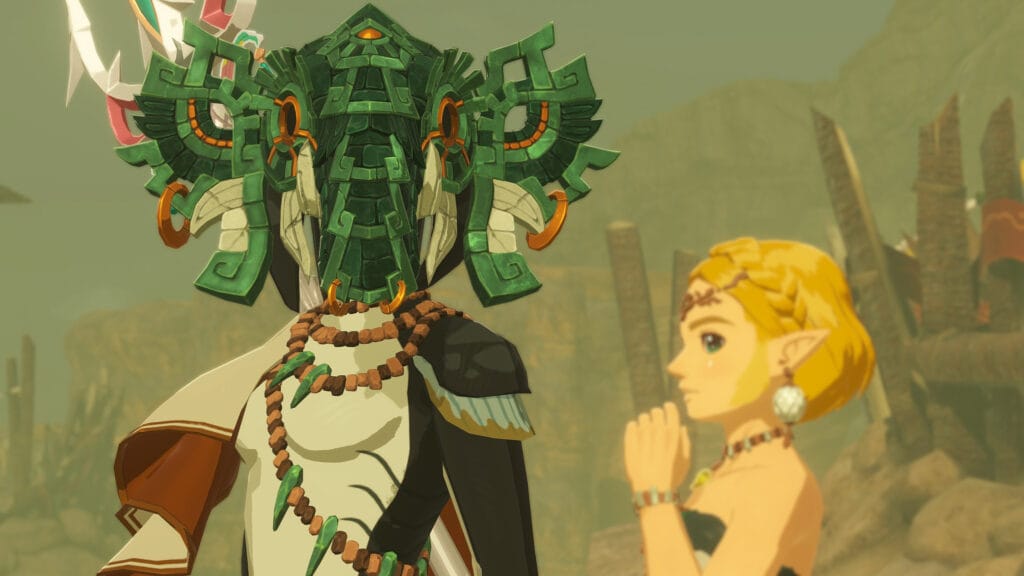
While new screenshots show Argusta, Kia, Krafika, and Ardi in action, there are only a few glimpses of Lanaria — none that confirm whether she will be playable or take part in combat.
Hyrule Warriors: Age of Imprisonment is slated to launch for Nintendo Switch 2 on November 6, 2025. As more gameplay footage and localizations emerge, fans will be closely watching to see how these characters evolve and how Lanaria—Zelda’s maid—fits into the larger tapestry of the Imprisoning War.
Bandai Reveals Palm-Sized Zelda Weapons Collection for Japan in 2026
Merchandise October 2, 2025 Victor Williams 0 Comments
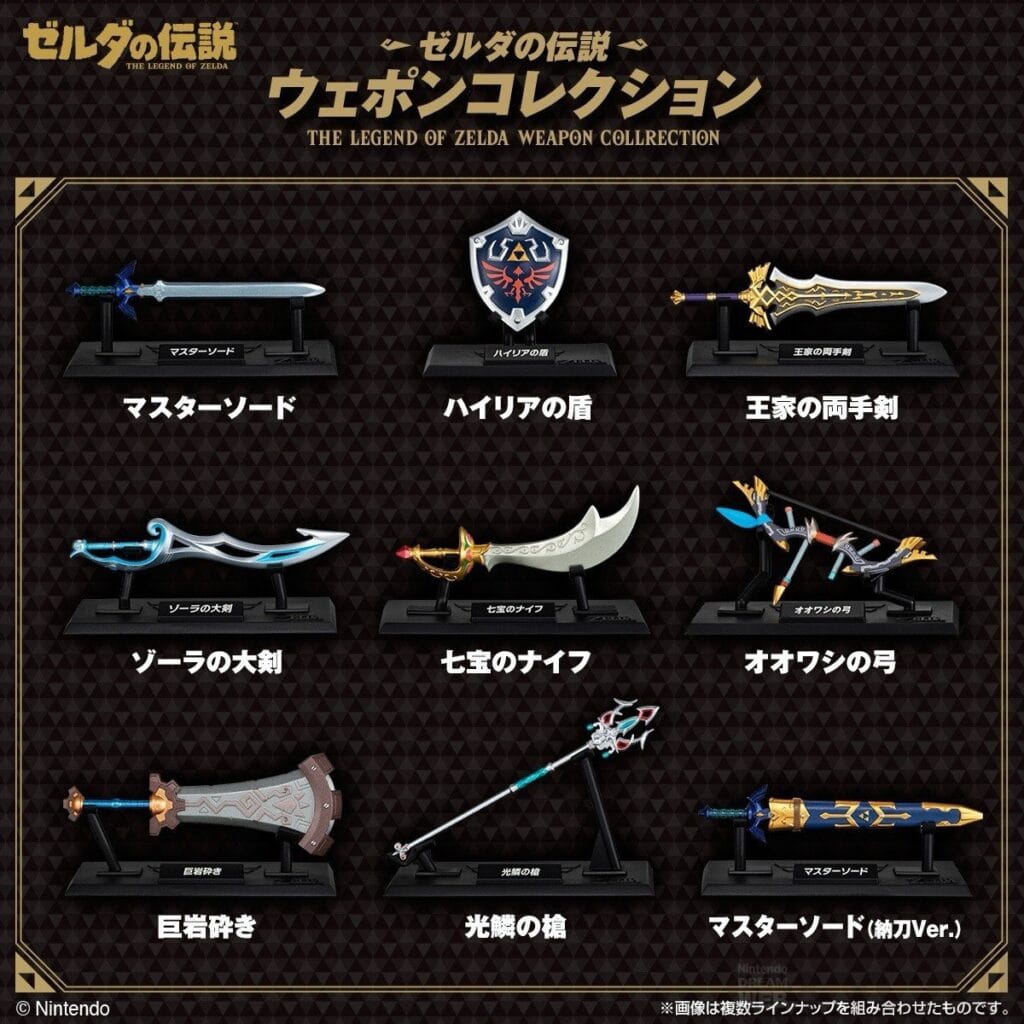
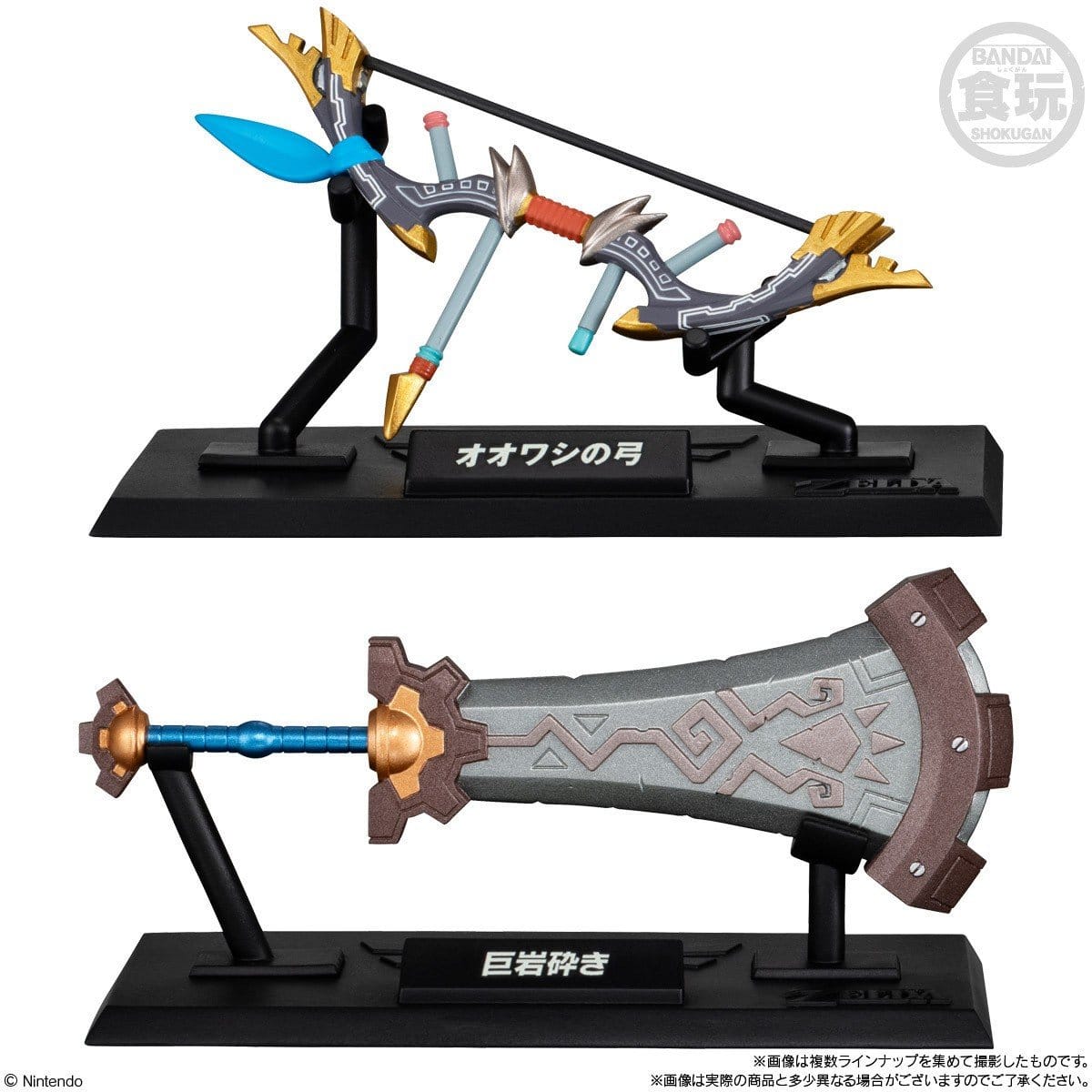
Bandai has announced a brand-new collectible line that is sure to catch the attention of Zelda fans and figure collectors alike. Arriving in Japan in February 2026, the Legend of Zelda Weapons Collection is a series of palm-sized replicas based on some of the franchise’s most iconic equipment.
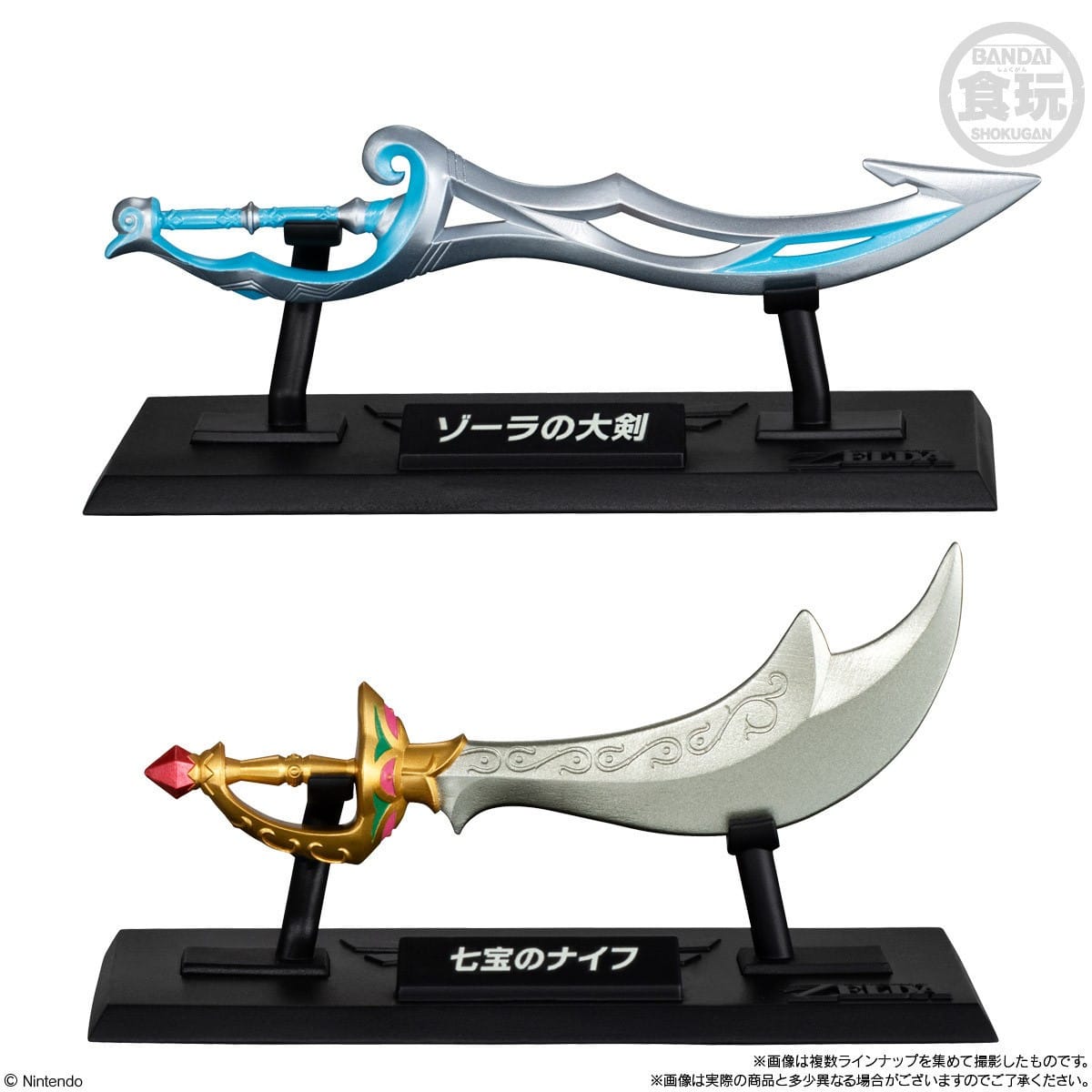
The toys are produced under Bandai’s long-running Candy Toy label, which specializes in detailed miniatures bundled with a small piece of gum. Each weapon comes pre-painted and includes a custom display stand engraved with the Zelda logo, allowing fans to show them off as part of a miniature armory.
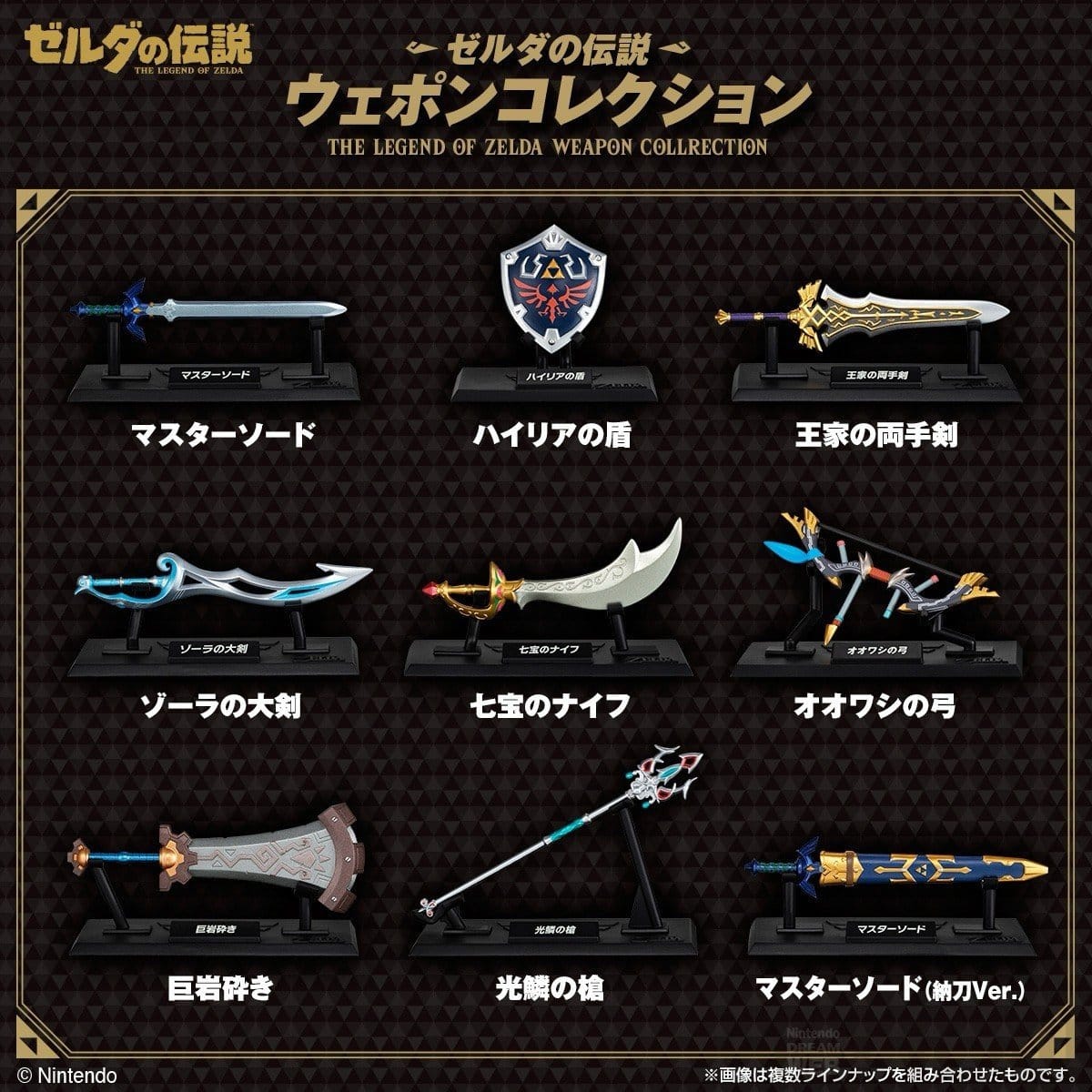
Bandai is releasing The Legend of Zelda Weapon Collection next February! It features mini versions of iconic weapons from BotW and TotK. Hopefully they spell “collection” right before launch.
The lineup consists of nine standard designs plus one rare variant:
Master Sword
Hylian Shield
Royal Claymore
Zora Longsword
Seven Jewels Dagger
Great Eagle Bow
Stonecrusher
Lightscale Trident
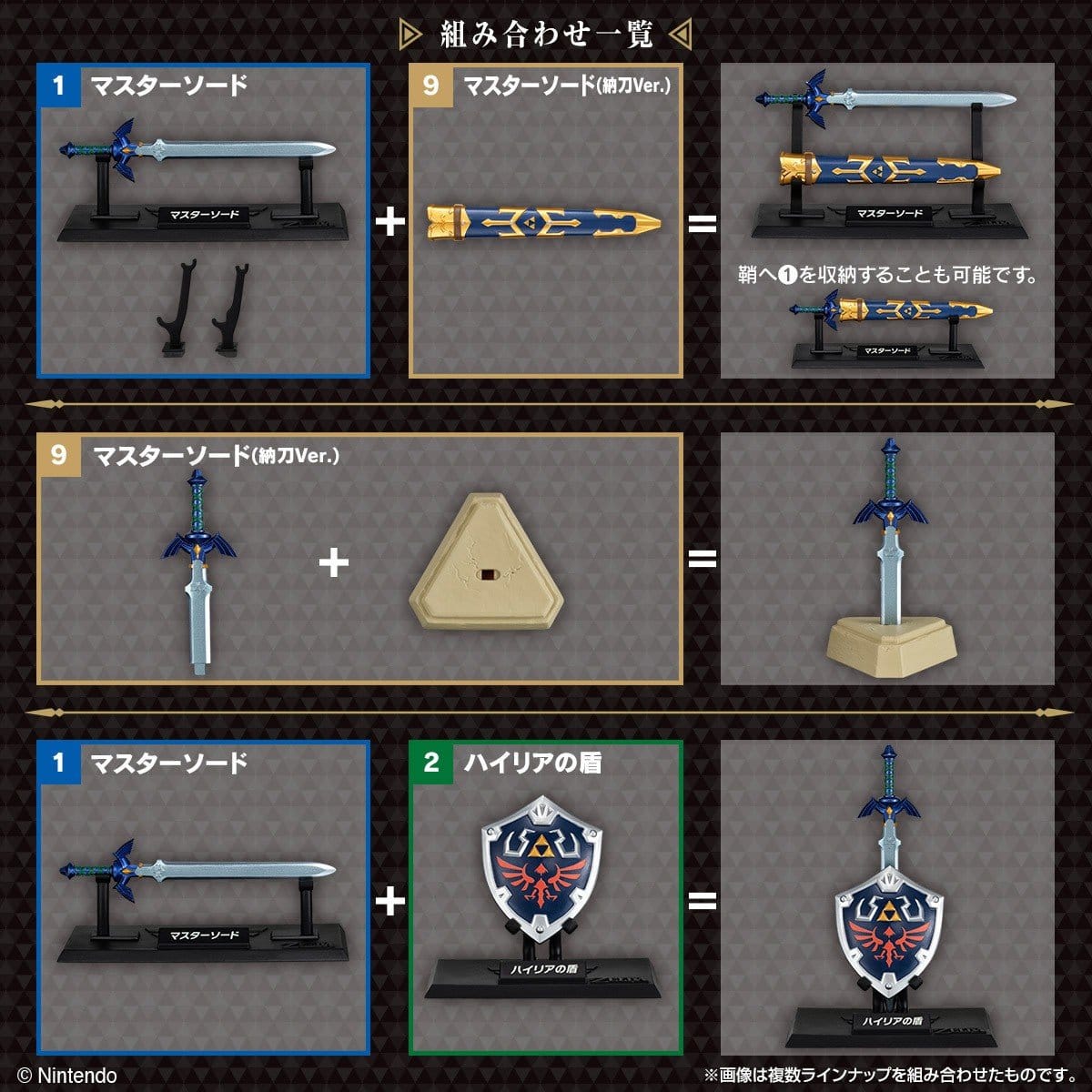
Rare Master Sword (Sheathed Version)
The sheathed Master Sword features an additional display base and support, letting collectors present the blade in a different pose. Each piece measures only a few centimeters in length, making them small enough to fit comfortably on a desk, shelf, or even alongside other Zelda merchandise such as amiibo.
A Nod to Zelda’s Design Legacy
Weapons have always been central to the appeal of the Legend of Zelda series, from the recurring Master Sword to unique items like the Lightscale Trident introduced in Breath of the Wild and Tears of the Kingdom. While Link and Zelda frequently receive attention through statues, plush toys, and figures, the weapons themselves rarely get dedicated treatment. This collection highlights their designs as standalone objects, giving fans the chance to appreciate the artistry that goes into Hyrule’s legendary arsenal.
The decision to include items like the Great Eagle Bow and Stonecrusher shows that Bandai is pulling from modern titles as well as long-standing icons, offering variety for both longtime players and newer fans.
Availability and Pricing
As with most shokugan lines, the weapons will be sold in blind packaging. Each box contains one random item, which means building a full set will require some luck or trading with other collectors. A case of ten boxes is priced at 4,950 yen in Japan, which is roughly $35 to $45 USD before taxes, shipping, and import fees. International retailers are already listing the set for preorder, often closer to $60 to $70 USD, reflecting higher demand and limited supply.
At the time of writing, many Japanese hobby shops have already sold through their initial allotments, so overseas fans may need to act quickly if they want to secure a set.
Will There Be More?
Bandai has not confirmed whether this is a one-off series or the beginning of a larger line of Zelda weapon collectibles. Given the vast history of items in the series, the potential for future waves is enormous. Fans could imagine everything from the Sheikah Slate and Bombchu to classic items like the Hookshot or Megaton Hammer receiving the miniature treatment.
A Collector’s Perspective
For Zelda fans, this release sits at the intersection of nostalgia and artistry. The Master Sword and Hylian Shield are instantly recognizable, but the inclusion of less obvious weapons adds depth to the lineup. For players who enjoy Breath of the Wild and Tears of the Kingdom, seeing weapons like the Lightscale Trident brought into the spotlight is a welcome surprise.
As with most Zelda merchandise, availability may become the real challenge. The global fan base for the series is enormous, and with the next big Zelda title still in development, items like these serve as a way for fans to stay connected to the series in the meantime.
Final Thoughts
The Legend of Zelda Weapons Collection is more than just a novelty. It celebrates the importance of Hyrule’s iconic armory, giving long-overlooked designs their time to shine. With release set for February 2026, collectors should prepare for limited availability and rising demand. Whether you are a casual fan who just wants a Master Sword on your desk or a dedicated collector determined to assemble the entire lineup, this is a series worth keeping an eye on.
LEGO Ocarina of Time Ganondorf Diorama Rumored for March 2026
A new The Legend of Zelda LEGO set may be on the horizon – and it’s all about Ganondorf. According to reports from the LEGO fan community, the next Zelda-themed LEGO release in 2026 is rumored to be set 77093, “Ocarina of Time Ganondorf Diorama.” This unconfirmed set would mark LEGO’s first depiction of the King of Evil himself and only the second official Zelda LEGO product ever (following 2024’s Great Deku Tree model). It’s said to contain about 1,003 pieces and is reportedly slated for release on March 1, 2026.
Rumored Set Details
If these rumors are accurate, the Ganondorf diorama will be a more modest build compared to the sprawling Great Deku Tree set from last year. The 77092 Great Deku Tree contained 2,500 pieces and had a hefty price tag (~$300), whereas the Ganondorf set’s 1,003-piece count suggests a smaller, more affordable model. No price has been leaked yet, but the lower piece count implies it should come in well under the Great Deku Tree’s cost. The diorama is expected to focus solely on The Legend of Zelda: Ocarina of Time, calling back to the series’ first 3D game and its iconic villain. In other words, fans can likely expect a brick-built scene celebrating Ganondorf’s role in Ocarina of Time – perhaps even featuring Ganondorf’s debut as a LEGO minifigure alongside other characters from the game. It also stands to reason that Link could make an appearance in this set; since LEGO already designed an Ocarina of Time Link figure for the Deku Tree kit, they could easily include him again here (complete with his unique hairpiece).
Ganondorf Diorama Possibilities
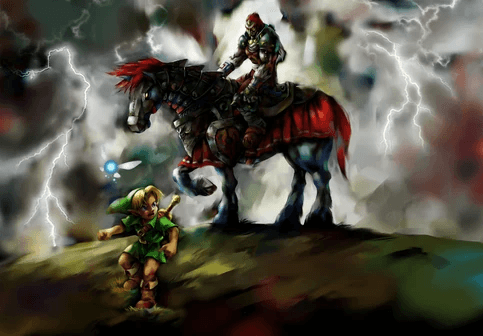
So what might the Ganondorf Diorama actually depict? There’s plenty of material to draw from, as Ganondorf has a huge role in Ocarina of Time with several memorable scenes. LEGO could recreate one of the game’s iconic boss battles – for example, the climactic confrontation in Ganon’s Tower – or even the famous horseback chase from early in the story. In that dramatic moment, Ganondorf charges out of Hyrule Castle Town on his black steed, knocking young Link to the ground while Princess Zelda and Impa make their escape. A diorama of such a scene, complete with Ganondorf on horseback, Link, and perhaps Zelda watching from afar, would certainly be an exciting display piece for fans. There are many possibilities, and the mere idea of revisiting Ocarina of Time in LEGO form has already generated considerable excitement among Zelda enthusiasts.
Beyond the specifics of this set, the timing of its potential release is interesting. February 2026 will mark the 40th anniversary of the Legend of Zelda franchise, and many fans suspect Nintendo and its partners have big plans to celebrate. A collectible Ocarina of Time diorama featuring Ganondorf could fit right in as part of that anniversary celebration, paying tribute to one of the series’ most beloved entries and villains. (Not to mention, Nintendo and LEGO are also rumored to be launching a lineup of Pokémon sets around the same time – meaning early 2026 could be a very exciting time for Nintendo toy collectors.)
Tempering Expectations
As thrilling as this sounds, it’s important to remember that nothing has been officially confirmed by LEGO or Nintendo yet. All the details about set 77093 Ganondorf Diorama – from the name and piece count to the March 2026 release date – are still rumors at this point. The information originates from community leaks (via a reliable LEGO news source on Reddit known as BrickTap), which have been accurate in the past, but plans can always change. Until an official announcement is made, Zelda fans should take this with a grain of salt.
That said, the prospect of building an Ocarina of Time Ganondorf scene in LEGO is undeniably enticing. If the rumors do pan out, we’re now only about six months away from seeing Ganondorf stride onto LEGO store shelves. For now, we’ll be keeping our fingers crossed and our eyes peeled for any confirmation. Stay tuned to Zelda Central for updates on this potential set and all things Legend of Zelda!
Hyrule Warriors: Age of Imprisonment Gets Release Date on Nintendo Switch 2
Nintendo has revealed that Hyrule Warriors: Age of Imprisonment will arrive on the Nintendo Switch 2 on November 6, 2025. The long-anticipated follow-up in the Warriors line of Zelda spin-offs is set to explore a chapter of Hyrule’s history that has only been hinted at in the series until now. Fans who were captivated by the glimpses of the Imprisoning War in Tears of the Kingdom will finally get to experience those pivotal events in full.
The announcement came with new details that shed light on how the game will play. Players will be able to unleash cooperative attacks known as Sync Strikes, combining strength with allies on the battlefield to deliver devastating blows. Zonai devices, introduced in Tears of the Kingdom, also play a significant role here. These tools can harness water, wind, and other elemental effects to shift the flow of battle and open new strategies during combat. The game continues the series tradition of throwing massive armies onto the field, but these additions promise to deepen the tactical side of the action.
Multiplayer has also been expanded with options that fit the Switch 2’s capabilities. Split-screen co-op allows two players to fight side by side on the same console. For those who prefer their own screens, the GameShare feature lets a second player join on a separate system even if only one person owns the game. This makes the experience more accessible and opens the door for more people to join in without needing two copies.
The story content is what will set Age of Imprisonment apart. Koei Tecmo is working with Nintendo to weave in the canonical events that led to Ganondorf’s rise and the foundation of the Kingdom of Hyrule. While the previous Warriors titles explored timelines and alternate scenarios, this installment promises to expand directly on the lore introduced in Tears of the Kingdom. That makes it essential for fans who want to piece together the mysteries surrounding Zelda’s past and the struggle that shaped the kingdom’s destiny.
Nintendo has also released a new trailer showcasing the game in action. It highlights the large-scale battles, the new features, and several story moments that will no doubt keep players speculating about what else lies hidden in this era of Hyrule’s history.
Virginia Gamer Achieves Guinness World Record for Largest Zelda Memorabilia Collection
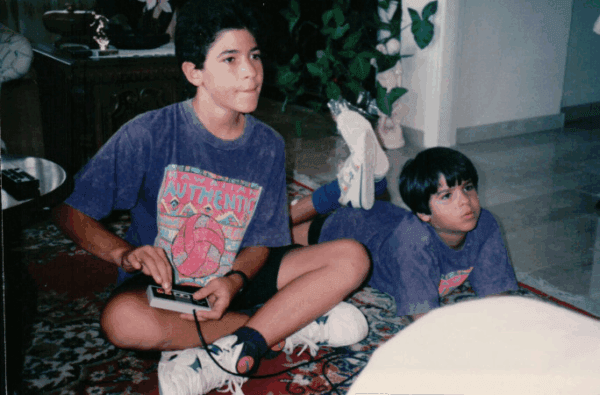
It all began in a quiet household in Fairfax City, Virginia. A young Constantine “Coz” Adams would hear the familiar melodies of The Legend of Zelda before even opening his eyes. His older brother, four and a half years his senior, would spend hours immersed in adventure as Coz watched, glued to the screen. That childhood ritual sparked something profound—a lifelong fascination with Hyrule’s heroics and treasures.
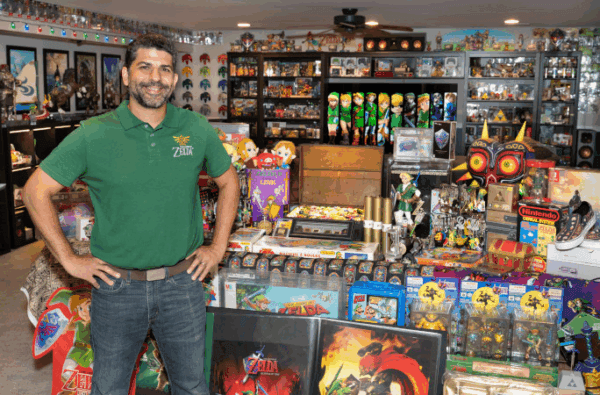
On July 19, 2025, that fascination reached an extraordinary milestone. After twenty-five years of collecting, cataloging, and cherishing, Coz secured the Guinness World Record for the largest collection of The Legend of Zelda memorabilia, tallying an astounding 3,918 pieces in his basement, a figure more than double the previous record held by Anne Martha Harnes of Norway.
Coz describes the record not as a triumphant celebration but as the moment to quietly reveal his achievement. “It was just a goal,” he shared. “Something challenging to do. Now’s my time to show it off.”
A Collection Forged by Passion and Persistence
The journey began in earnest during Coz’s teenage years. At age sixteen, he began collecting games from the NES through PlayStation 2. He sold many of these early acquisitions on eBay, using the proceeds to fund his Zelda hunt. A pivotal turning point came in 2012 when a failed attempt to buy a large lot of Zelda amiibo on Craigslist fueled a determination to track down every Zelda-themed piece.
He says that for years he scanned auction sites and collector networks daily. When he spotted something rare, he knew to act quickly. The thrill was in both the hunt and the acquisition. By 2019, his focus narrowed to Zelda memorabilia alone, and within two years he applied to Guinness World Records, submitting documentation of the 3,918 items and hearing back within weeks, rather than the months he expected.
A Basement Shrine to Hyrule
Coz’s basement now stands as a vibrant tribute to the Zelda universe. Every surface tells a story, from amiibo and game cartridges to apparel, plush figures, promotional hourglasses, and limited-edition collectibles. Among the most treasured items are a sealed Exin Castillos building block set for Ocarina of Time, a vintage lucite sign displaying Link’s face, and promotional hourglasses tied to Phantom Hourglass. Rarest of all are three contest-only scrolls released exclusively in Australia, with fewer than thirty of each known to exist.
Despite the countless official items in his collection, Coz’s personal favorite isn’t something you can buy. He built an entire claw machine themed after Link’s Awakening, the very first Zelda game he played solo. It took a full year to complete. A Raspberry Pi inside plays music from both the 1993 original and the 2019 remake, controlled by a genuine Nintendo controller—an artful tribute to the game that lit the spark for everything that followed
Family, Community, and the Heart of the Quest
Coz’s story always circles back to family. He learned to love Zelda by watching his brother. Now his children Lucas and Elaina have front-row seats to the adventure. His wife Amanda supports his dedication, laughing about their basement being filled with Zelda treasures but proud of his passion. His parents admire the layout and organization, calling the space “a museum dedicated to Zelda”. His brother Eric finds joy in hunting for rare items to surprise Coz with, amazed at the collection’s growth.
It wasn’t until his son flipped through a Guinness World Records book that Coz realized he too could be part of that world. His application followed, and now the record stands—a tangible recognition of years spent following a dream.
Though he’s nearly out of space, Coz isn’t done. For him, collecting remains more than a hobby—it’s about nostalgia, family, creativity, and the stories each piece represents. What started with a Game Boy and Link’s Awakening has become a legend of its own, and Coz’s grand adventure isn’t over—it’s simply reaching new levels.
Nintendo Museum Opens New Art Gallery Featuring Rare Zelda Illustrations
Nintendo September 5, 2025 Victor Williams 0 Comments
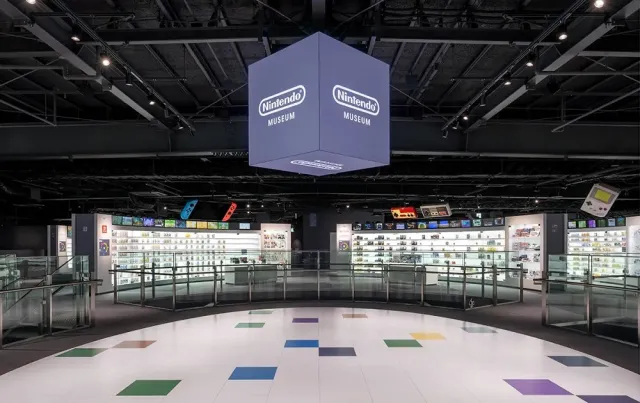
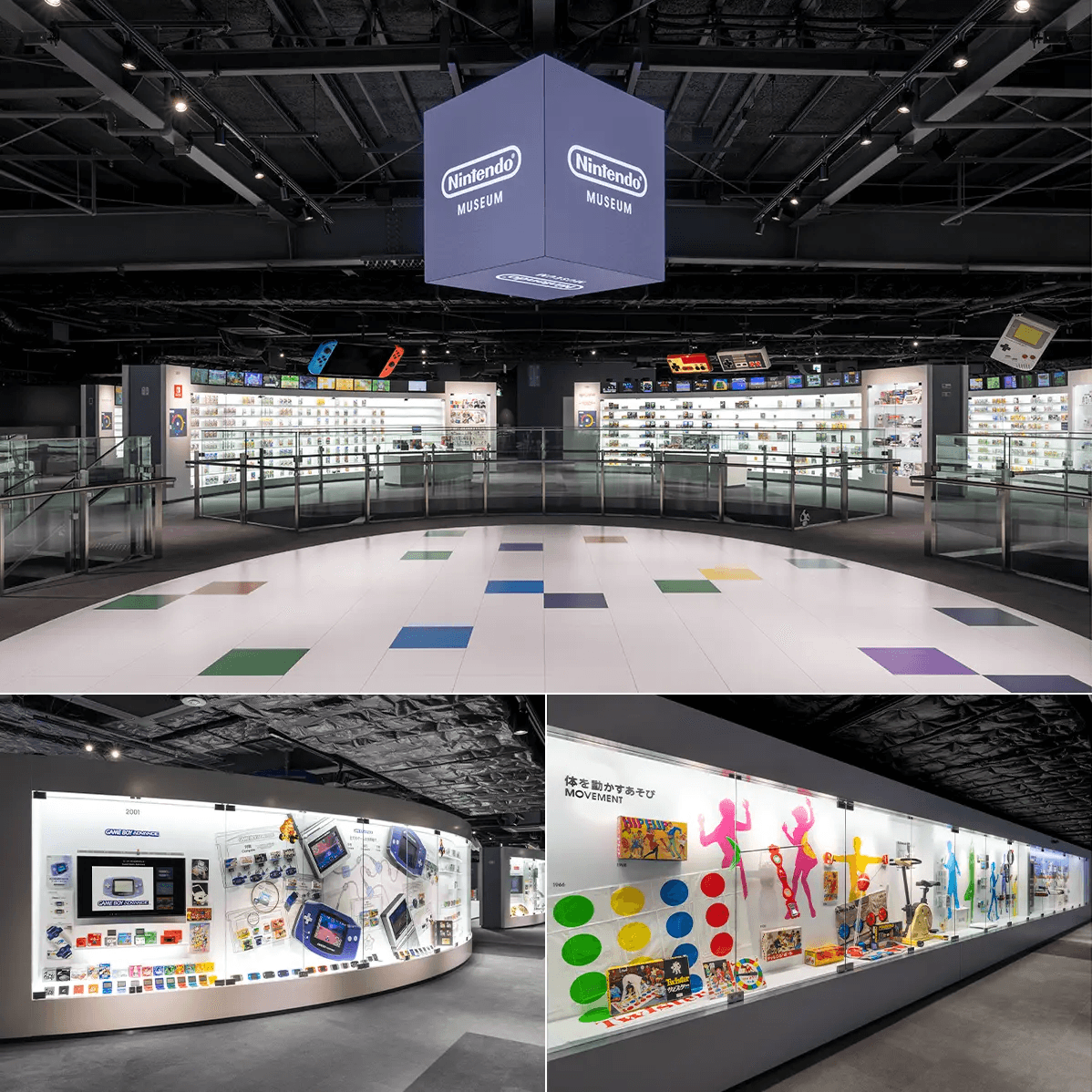
The Nintendo Museum in Kyoto has become a destination for fans eager to celebrate the company’s long history, but its newest addition makes the experience even more exciting. On September 3, the museum revealed that it has opened a dedicated Art Gallery on the second floor, offering visitors a chance to see rare artwork that never appeared on the front of a game box.
For decades, Nintendo’s box art gave players their very first impression of what awaited them inside. A single cover image could spark curiosity, excitement, and imagination, but it was always just one piece of a much larger collection of designs. Behind the scenes, Nintendo’s artists created countless illustrations during development, many of which never saw the light of day. Now, the Art Gallery finally gives fans a closer look at these hidden treasures.
The museum’s preview image only hints at what’s inside, cleverly blurred and angled to entice fans to visit in person. Even so, sharp eyes can spot several full-color illustrations from the original Legend of Zelda on the Famicom and NES. They appear to be enlarged versions of the artwork from the game’s instruction manual, and possibly even the original drawings. Nintendo confirmed that the gallery will showcase character illustrations and concept art, which suggests that fans will be able to experience the earliest visions of Hyrule as its creators first imagined it.
Zelda isn’t the only series on display. Nintendo also highlighted Super Mario and Animal Crossing as part of the opening, and it is easy to imagine the company rotating its exhibits in the future. With a history stretching across dozens of beloved franchises, the museum holds an archive far larger than any single room could contain. That means future visits may bring completely new artwork tied to anniversaries or upcoming releases.
Anyone hoping to visit should keep in mind that entry is by advance reservation only. The next block of tickets, for December visits, is already open for applications through the official museum website.
For Zelda fans, the thought of seeing original Legend of Zelda art on display is reason enough to plan a trip. It’s a rare opportunity to connect with the roots of the series and to see the drawings that shaped the very beginning of Link’s journey.
Majora’s Mask Reimagined: A Studio Ghibli-Style Tribute for Its 25th Anniversary
Majora's Mask August 27, 2025 Victor Williams 0 Comments
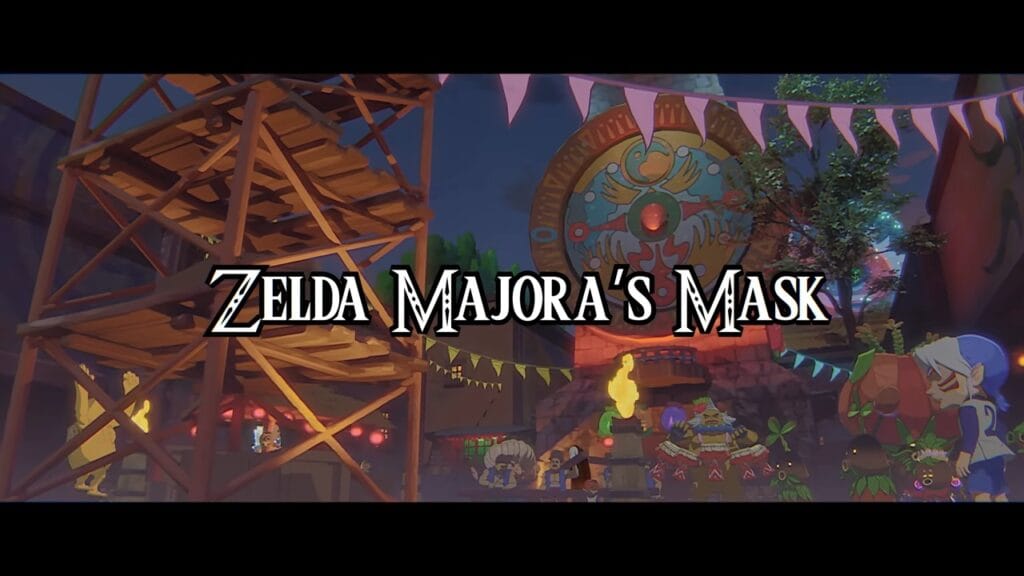
Celebrating the 25th anniversary of The Legend of Zelda: Majora’s Mask, this stunning video offers a heartfelt reimagining of the game in the enchanting, hand-drawn world of Studio Ghibli. Every frame feels like a lovingly crafted painting come to life, subtly capturing the game’s haunting beauty and eerie ambiance while blending it with Ghibli’s signature warmth and whimsy.
The animation transports the player from the foreboding skies of Termina to the gentle rolling landscapes bathed in soft, painterly light. Moments that once filled players with dread—creeping shadows, the looming clock tower—are reinterpreted with a dreamlike serenity, as if whispered memories rather than nightmares.
What truly stands out is the emotional resonance. Even without dialogue, the visuals carry an evocative weight. Link’s posture as he traverses deserted streets, the swaying of lanterns in the wind, and the gentle expressions of townsfolk all speak volumes. It’s not just beautiful; it’s emotionally nuanced storytelling communicated purely through art.
For many fans, Majora’s Mask has always held a unique place in the Zelda series, combining surreal dread with profound poignancy. This video doesn’t just revisit that world—it reshapes it, offering both nostalgic familiarity and fresh wonder.
I’d love to hear from the Zelda Central community—what part of this fusion between Ghibli’s gentle animation and the surreal dread of Majora’s Mask speaks to you most?
Hyrule Warriors: Age of Imprisonment Gets Tangible – First Playable Demo Confirmed at TGS 2025
Nintendo and Koei Tecmo have kicked the hype for Hyrule Warriors: Age of Imprisonment into high gear. The latest word? Attendees of this year’s Tokyo Game Show will be among the first to get hands-on experience with the game—marking the public debut of its playable demo.
As revealed by Koei Tecmo’s official Tokyo Game Show lineup, Age of Imprisonment will be fully playable at TGS 2025, making it the first opportunity for fans to walk through real gameplay. The game is confirmed for release in winter of this year on the Nintendo Switch 2, though the precise launch date remains under wraps.
The event schedule has also been clarified: Tokyo Game Show 2025 runs from September 25 through September 28 at Makuhari Messe in Chiba, Japan. The first two days are reserved for industry professionals, while the weekend of September 27–28 welcomes the general public.
This demonstration marks the first playable showing for a Zelda Musou-style spinoff. Fans who have long awaited deeper entries into the backstory of Tears of the Kingdom will finally get a first taste—not just of cutscenes or trailers, but of actual gameplay in motion.
Why This Matters for Zelda Fans
Experiencing gameplay for the first time has always been the moment when a game’s promise either shines or stumbles. Demos from Tokyo Game Show have historically sparked the buzz and insight many Zelda enthusiasts are eager for—especially as media outlets and shared reactions help shape community excitement and speculation.
Even if you can’t attend in person, this is a significant signal that more information—possibly including a solid release date—may soon be on the horizon. With Age of Imprisonment set to deepen the lore around Zelda’s past battles, this hands-on moment could reveal new mechanics, tone, or strategic twists fans will devour.
Context and Expectations
To date, Nintendo’s announcements, including trailers shown during the April Switch 2 Direct and a follow-up in July’s Partner Showcase, have teased the world of Age of Imprisonment but haven’t revealed when we’ll get to play. Now, with confirmation that playable demos will be available at TGS, anticipation has shifted into a more tangible phase.
For context, Age of Imprisonment continues this side series’ tribute to Zelda lore, this time focusing on a much earlier conflict—Princess Zelda’s battle alongside King Rauru against Ganondorf during the Imprisoning War, events framed within Tears of the Kingdom’s mythos.
Final Thoughts for Zelda Central Readers
With the playable demo confirmed for TGS 2025 (September 25-28), the countdown is officially on. Whether you’re watching streams or following early impressions, next month promises to bring clarity. Will we see a dramatic confrontation in real time? New gameplay systems? Perhaps even an announcement of the exact release date? We’re on the edge of our seats.
New Research Shows How Breath of the Wild Improves Happiness and Well-Being
Breath of the Wild Study Reveals Why Exploring Hyrule Makes Us Happier
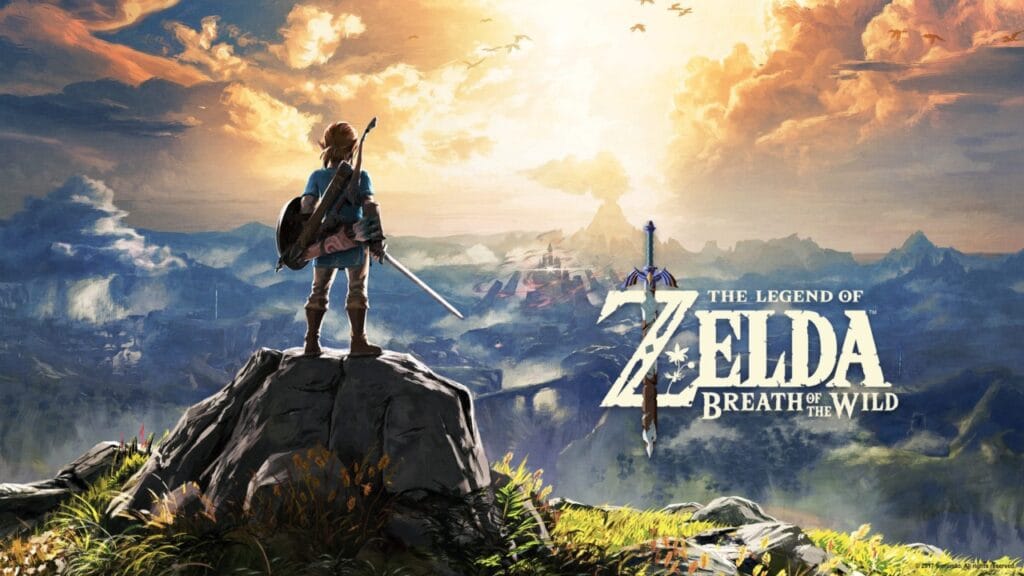
The Legend of Zelda: Breath of the Wild isn’t just a game. It is an experience that invites you to wander, to breathe deeply, and to feel something profound. A recent exploratory lab study published in JMIR Serious Games explores exactly how this open-world masterpiece, when paired with the lingering warmth of nostalgia inspired by Studio Ghibli classics, can enrich one’s sense of purpose, calm, and joy in life.
Escaping Stress Through Hyrule
Imagine you’re a postgraduate student, stressed by deadlines and weighed down by anxious thoughts. Now picture slipping into the vast landscapes of Hyrule, where every gentle breeze through the tall grass or mountain vista whispers of freedom. In the study, more than 500 participants were randomly assigned to play Breath of the Wild or not, with some also watching nostalgic clips from Ghibli hits like My Neighbor Totoro or Kiki’s Delivery Service. Afterward they answered questions about exploration, calm, mastery, meaning, and overall happiness.
The Power of Play and Nostalgia
The results were striking. Those who played the game reported a significantly higher sense of happiness in life, averaging 4.56 compared with 3.17 for those who did not play. Nostalgia added another layer. Players who also watched Ghibli’s comforting scenes scored even higher, reaching an average happiness score of 5.45 compared with 3.58 for those without that emotional cue.
Exploring, Mastery, and Calm
What is especially fascinating is how these feelings translated into overall wellbeing. The sense of exploration that Breath of the Wild so beautifully evokes contributed directly. That easing of tension as you glide across a grassy field or explore a hidden cave made a real difference. A growing sense of mastery through puzzles and combat, and a stronger feeling of meaning in the adventure, all played their part in boosting happiness.
Why This Matters for Zelda Fans
So why does this matter for Zelda fans? It is not only about enjoying the story or appreciating the gameplay, though those remain important. This research suggests that Breath of the Wild, especially when supported by the right emotional context, can nurture emotional states that genuinely increase our happiness. Nostalgic memories of Ghibli films may prime us to be more receptive to the beauty these worlds offer.
A Reminder of Why Zelda Resonates
Picture pairing a Zelda session with the gentle memory of Totoro wandering in a sunlit forest or Kiki watching over a quiet town at dusk. The combination taps into something deep and meaningful, creating a moment of calm mastery and heartfelt joy. These stories resonate because they speak to our sense of wonder and purpose, reminding us of the quiet beauty of being present.
In the end, Breath of the Wild is not only a game to complete. It is a world in which we can rediscover curiosity, calm, and growth. When joined with the gentle nostalgia of Ghibli’s timeless charm, it becomes more than play. It becomes a reminder of what it means to feel alive and content.