
























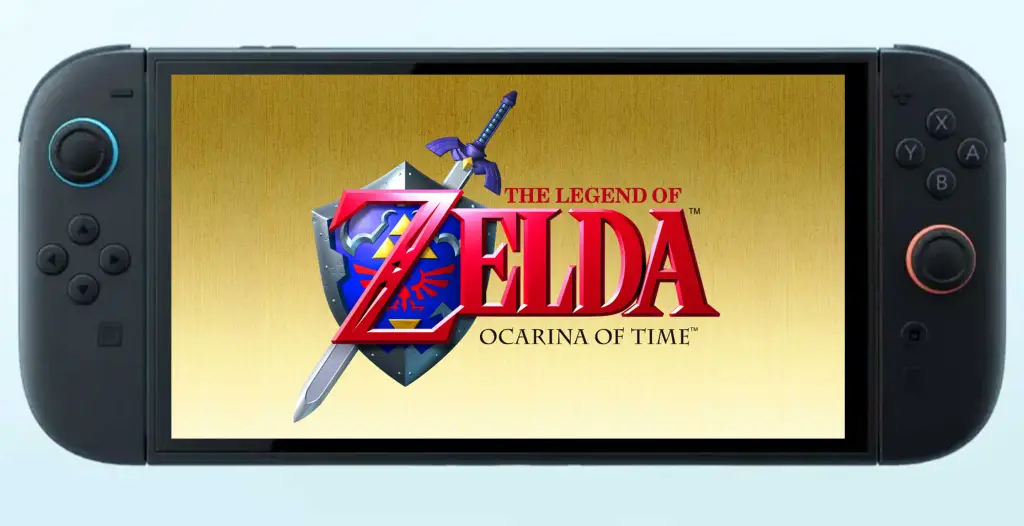
The long-rumored The Legend of Zelda: Ocarina of Time remake has picked up another round of chatter, and this time the claim is a little stranger than the usual “Nintendo is bringing back a classic” whisper.
A New Ocarina of Time Remake Rumor Has Surfaced
According to a new rumor shared by Nintendo content creator Nash Weedle and reported by My Nintendo News, the alleged Ocarina of Time remake is being built from scratch for Nintendo Switch 2. Weedle claims he first heard about the project back in 2022 and says Monolith Soft has been brought in to assist with development.
The rumor also points to a possible June Direct reveal and a release toward the end of 2026.
The “Two Parts” Claim Is the Big Talking Point
That’s already enough to get Zelda fans leaning forward. But the part that has people raising eyebrows is the suggestion that the remake could potentially be split into two releases, with one part focused on Young Link and the other on Adult Link.
The comparison being made is Square Enix’s Final Fantasy VII Remake project, though even the reports around this claim make it clear that this specific “two parts” idea sounds far less certain than the rest of the rumor. VICE, for example, noted that this portion appears closer to Weedle’s speculation than a firm sourced detail.
Why Splitting Ocarina of Time Would Be Complicated
For now, that distinction matters. A full Ocarina of Time remake for Switch 2? Easy to imagine. A massive reimagining that dramatically expands Hyrule, dungeons, towns, side quests, and story beats? Also possible, especially after Nintendo’s last decade of Zelda experimentation.
But splitting Ocarina of Time cleanly into “Child Link” and “Adult Link” halves is where the rumor gets messy.
The original game is built around the contrast between those two eras. Yes, Link’s childhood section has several key dungeons and some of the most iconic early-game moments in the series, but the adventure really opens up once the Master Sword sends him seven years into the future. More importantly, the game repeatedly uses time travel as a core part of its structure.
Separating those halves into different releases could work only if Nintendo were making something much bigger and much looser than a traditional remake.
A Creative Swing, or a Risky One?
That is not impossible, but it would be a huge creative swing.
Ocarina of Time is not just beloved because of its story beats; it is beloved because of its pacing, mystery, and the shock of seeing Hyrule changed after Link awakens as an adult. Stretching that into multiple releases could either give the world room to breathe or risk turning a perfectly shaped adventure into something padded.
Why Some Fans Are Taking the Rumor More Seriously
The rumor does have one thing working in its favor: the broader NateTheHate/NateDrake rumor trail has looked a little more credible lately.
Back in March, VGC reported claims that Nintendo was planning both a major Zelda remake and a classic-style Star Fox revival for Switch 2, with the Zelda project allegedly targeting the second half of 2026. Nintendo has since officially announced Star Fox for Switch 2, a cinematic take on Star Fox 64 launching June 25, complete with a visual overhaul, new modes, and online multiplayer.
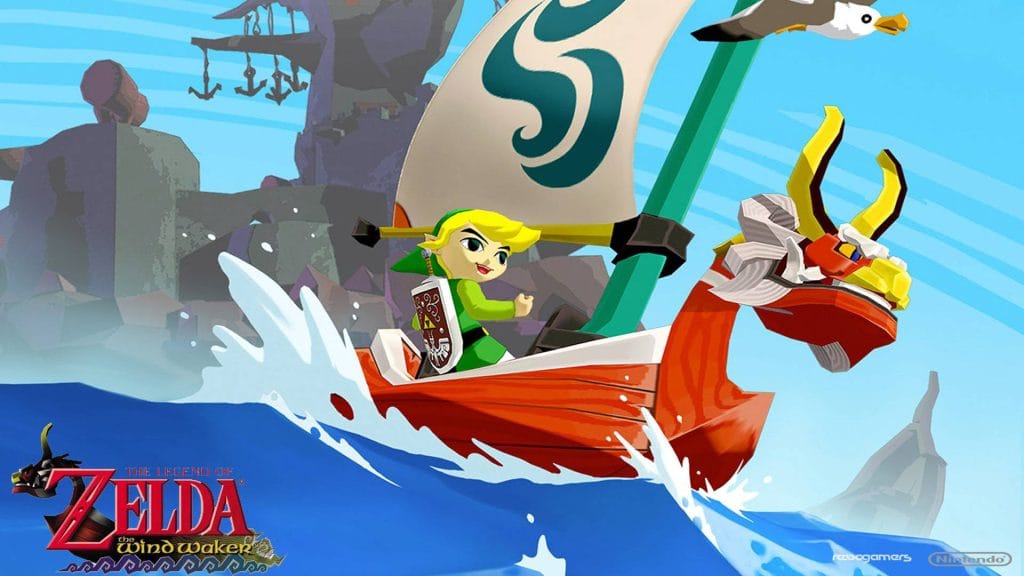
That does not confirm Ocarina of Time, of course. It only means one part of the earlier rumor cycle ended up being real. Zelda fans have been burned before, especially by endless Wind Waker HD and Twilight Princess HD Switch rumors that never turned into official announcements.
Monolith Soft’s Involvement Would Make Sense
As for Monolith Soft, that part of the rumor is at least believable on paper.
The studio is fully owned by Nintendo, according to Monolith Soft’s own company profile, and a large-scale Zelda remake would be exactly the kind of project where extra world-building and technical support could come in handy.
Nintendo Has Not Announced Anything Yet
For now, Nintendo has not announced an Ocarina of Time remake. The official Zelda site is currently highlighting confirmed projects such as Hyrule Warriors: Age of Imprisonment for Switch 2, not a return to Kokiri Forest.
Keep the Salt Handy
So, where does that leave us? Somewhere between “this is getting interesting” and “please keep the salt handy.”
A rebuilt Ocarina of Time on Switch 2 would be one of the biggest Zelda announcements Nintendo could make. A two-part remake would be far more controversial.
Either way, if there really is a June Direct coming, Zelda fans may not have to wait long to find out whether the ocarina is about to play the Song of Time again.