









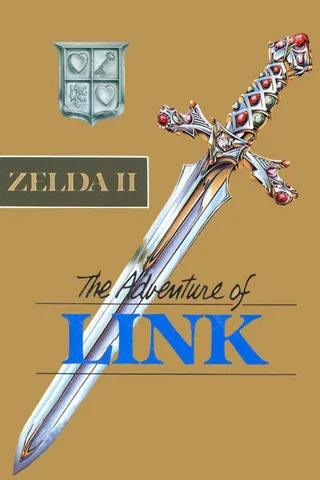
| Game | Zelda II: The Adventure of Link, Nintendo Entertainment System (NES), 1987 in Japan on the Famicom Disk System |
|---|---|
| Lives | 3 at the start, plus extra lives from Link Dolls and from experience |
| Meters | Life and Magic, each starting at 4 containers and up to 8 |
| Levels | Attack, Magic and Life, each from 1 to 8 |
| Full EXP | Level 8 costs 4,000 (Life), 6,000 (Magic) and 8,000 (Attack) EXP, spent as you go; each further 9,000 points after that gives an extra life |
Zelda II: The Adventure of Link mixes two styles. You cross Hyrule from above on the world map, then enter towns, caves, palaces and encounters that play from the side. Your Life and Magic grow as you gain experience, spells open new paths, and you have three lives to see the story through to the Great Palace.
Table of Contents
Two ways to play
The world map
On the world map you see Hyrule from above. Walk between towns, forests, deserts and mountains, and watch for random encounters. Stepping onto the dark patches of grass starts a fight on a side-scrolling screen. Town entrances, palace doors and cave mouths are entered by walking into them.


Side-scrolling action
Towns, caves, palaces and fights play from the side. Push right to move forward and left to go back. Most screens hold several enemies at once, and some caves have more than one route through them.
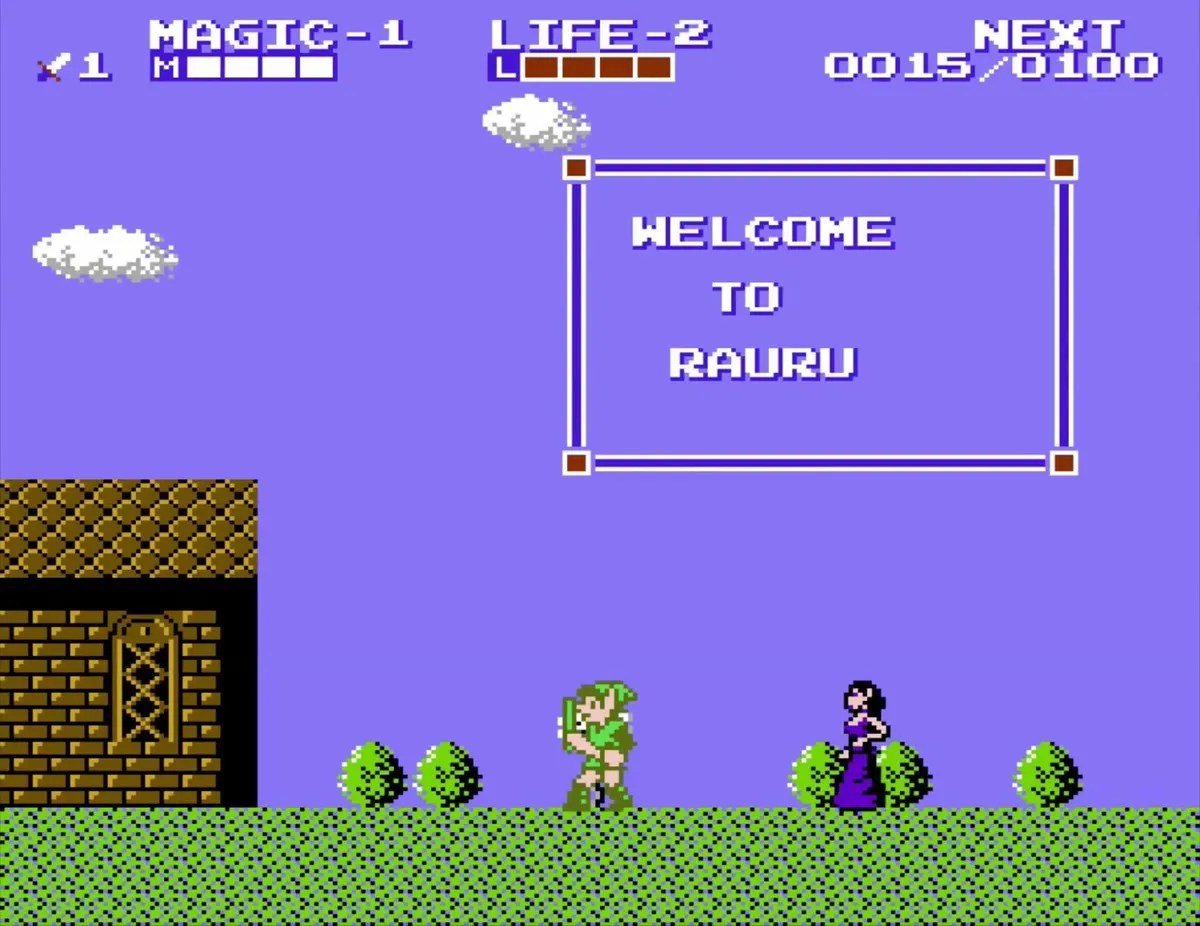
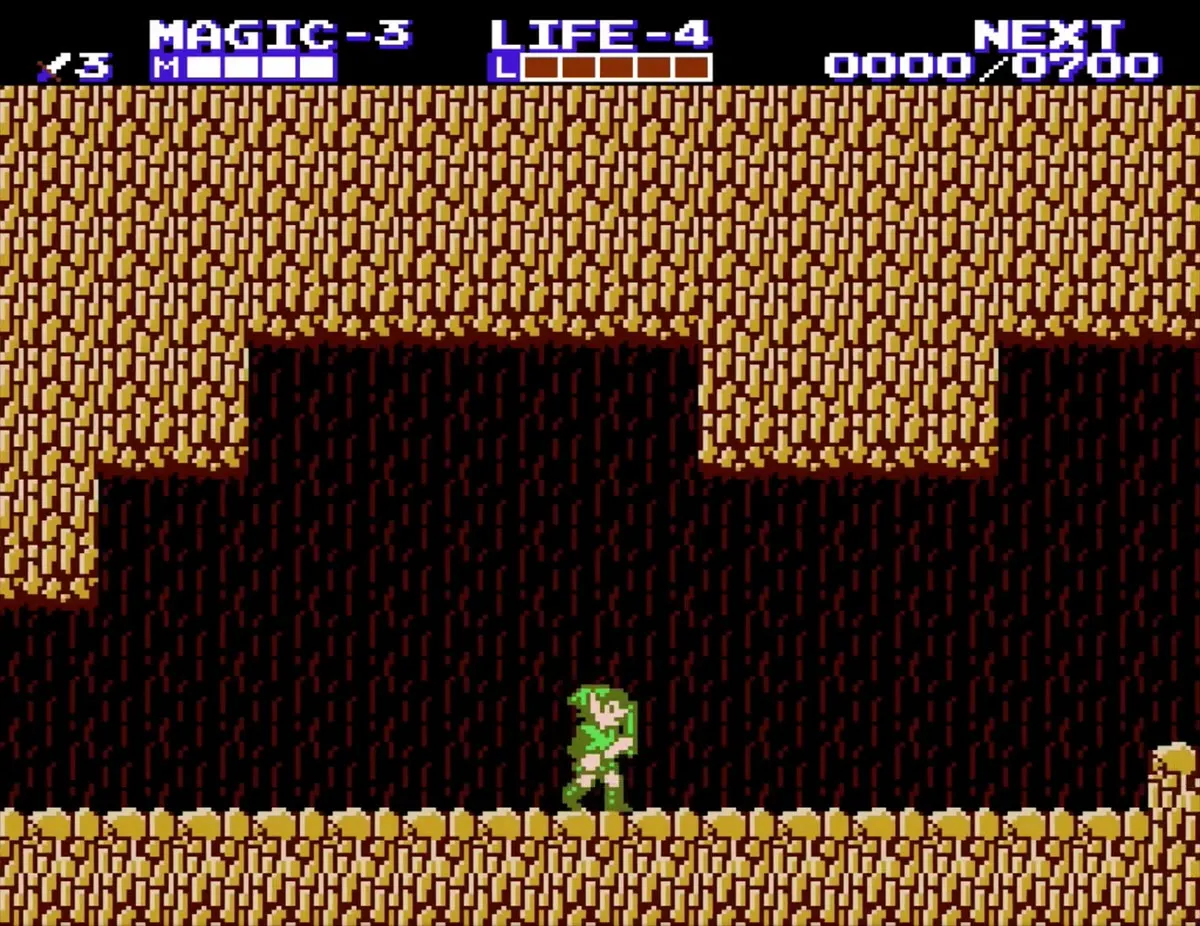
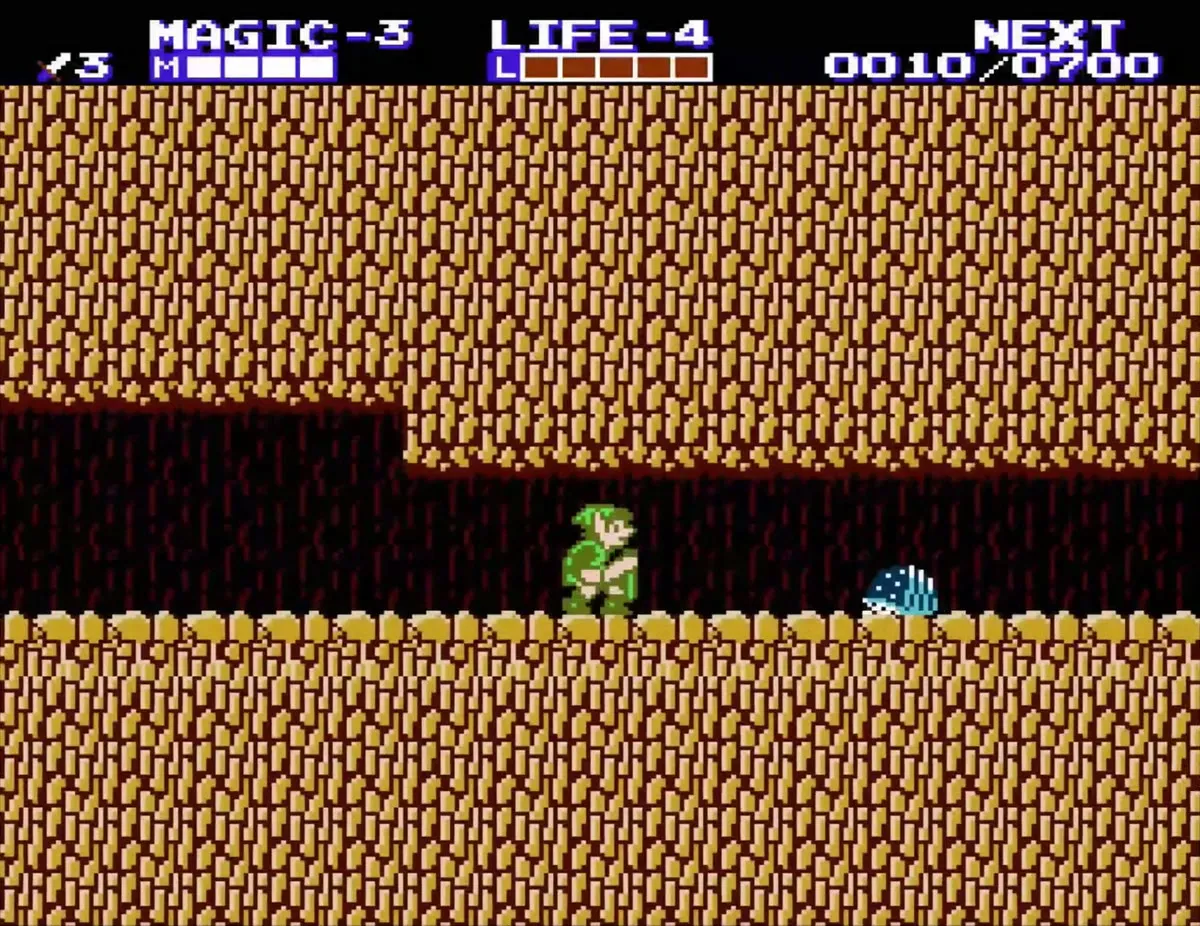
Encounters, roads and fairies on the map
Squares of road are safe, and so are the squares next to King’s Tomb: no monster gets you there. Anywhere else, small icons roam the map. A blob-shaped icon means a weak fight, a humanoid icon means a strong one, and a floating fairy icon is a free refill of life when you touch it. Walk toward the blob when you can and steer around the humanoid unless you want EXP. Some tiles always start a side-view stretch, such as the pillar crossings and the long bridges; if a random icon lands on the same tile as you step onto it, the random fight replaces the forced one.
Walking through marsh halves your speed, so keep to the grass beside it. In towns, ordinary townsfolk in Saria and Darunia may turn into bats after you speak with them; anyone who has something useful to say is safe.
Controls
Basic buttons
Use the Control Pad to walk, crouch and look up. Press A to jump and B to swing your sword. Sword beams fire only when your Life is full.


Spells and items
Press Start to open the menu and choose a spell, close the menu, then press Select to cast it. Spells wear off when you move to another screen. Key items such as the Candle and the Hammer are used from the item menu or by walking into the right place.
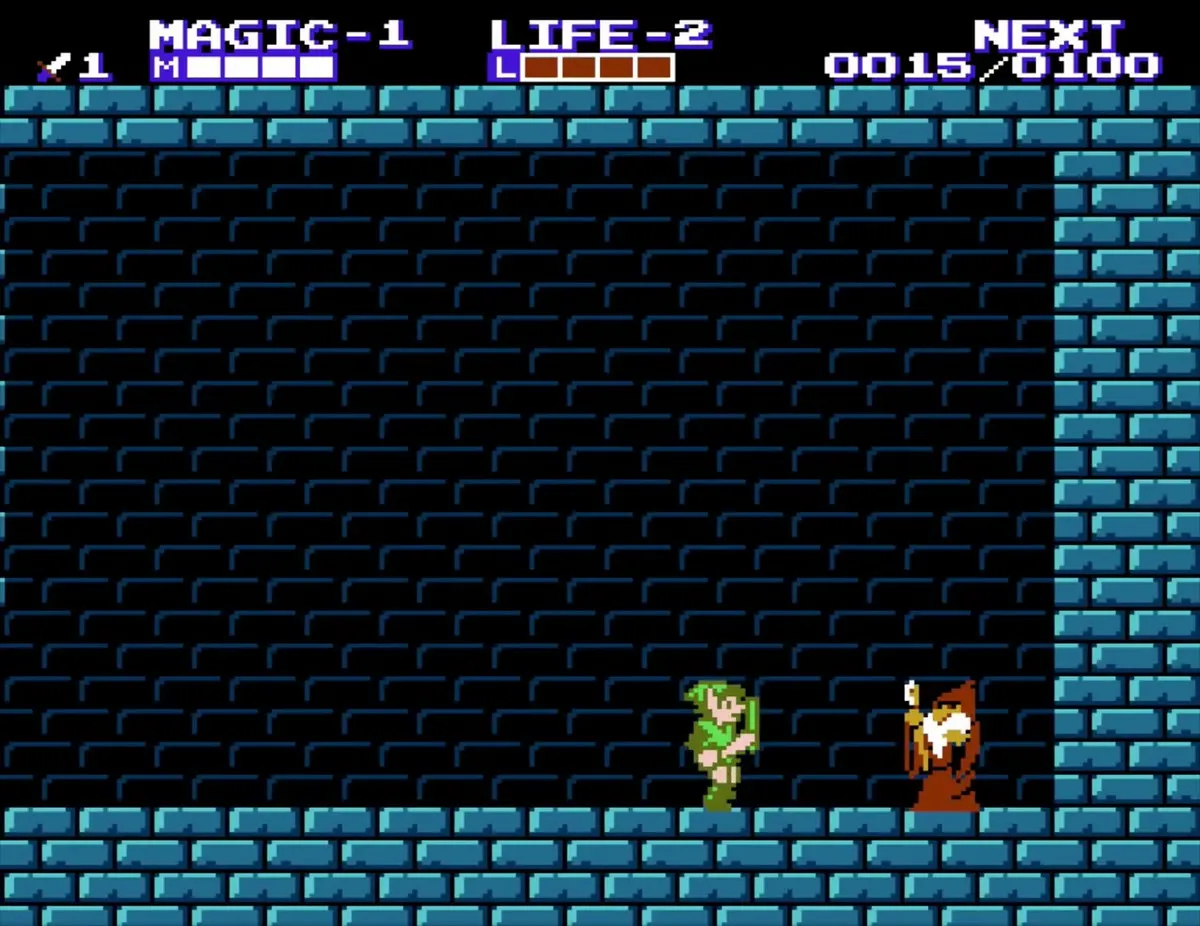

Life and Magic
Life
Your Life meter is the row of containers at the top of the screen. Each container is one block of life, and you start with four. The game has no heart pickups, so you recover life from fairies, from the healing women in towns, from Life magic, from level-ups, and from Heart Containers.
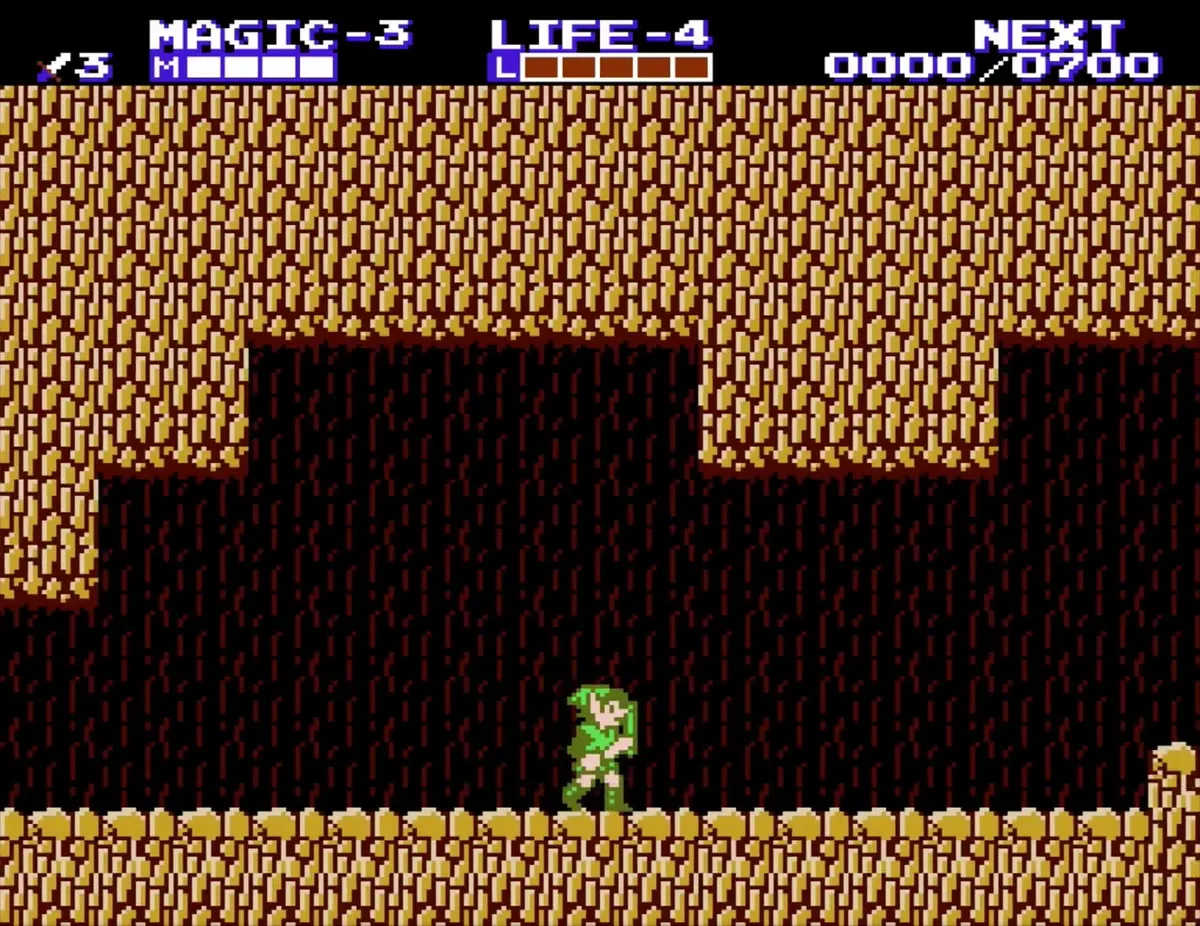
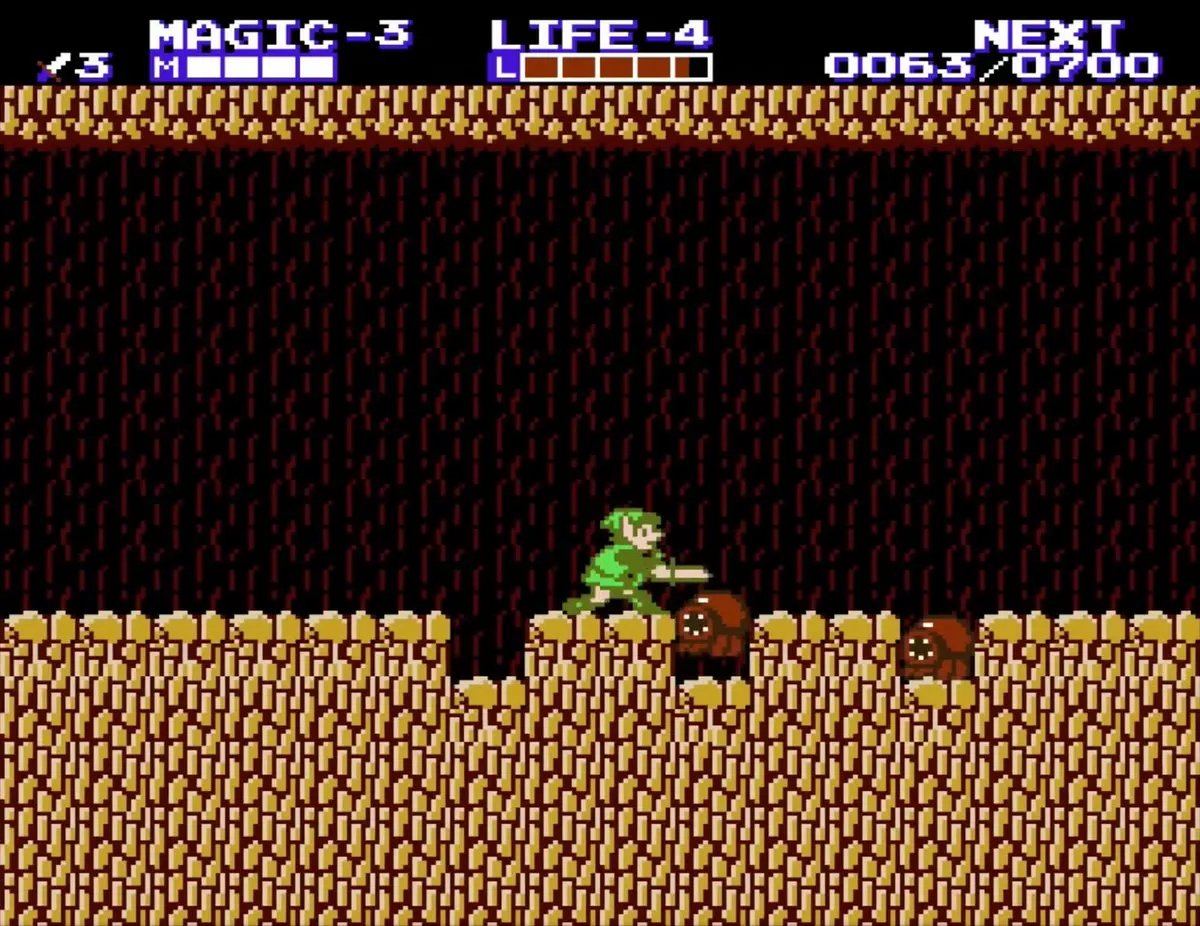
Magic
The Magic meter sits under the Life meter and pays for spells. Each spell uses magic points, and Magic jars refill it. Like Life, you start with four containers and can reach eight.
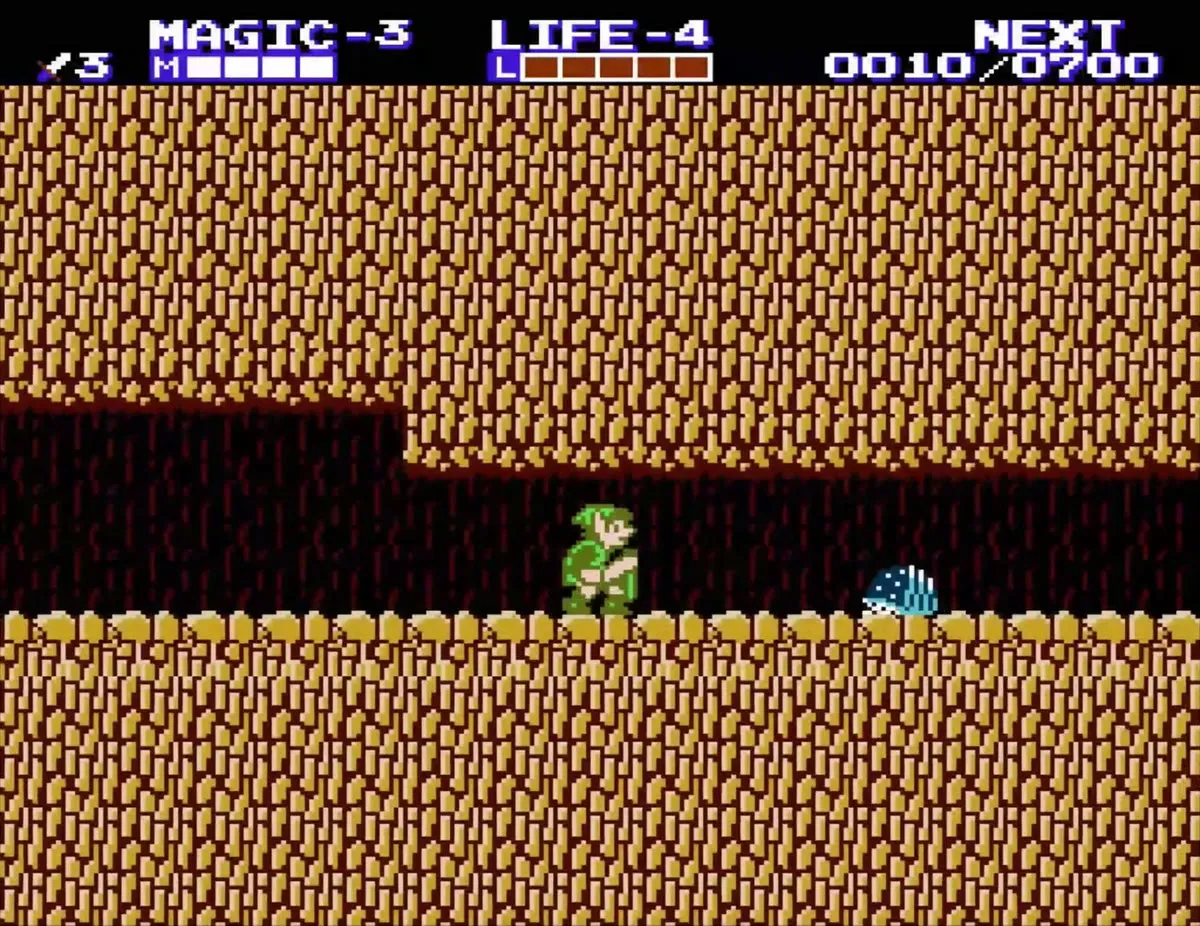

Levels and experience
Enemies give you experience points. When you reach a level threshold, you raise one of three stats: Attack, Magic or Life, each up to level 8. Higher Attack means more damage, higher Magic means cheaper spells, and higher Life means less damage taken from each hit. After all three are at level 8, every 9,000 points give you an extra life.
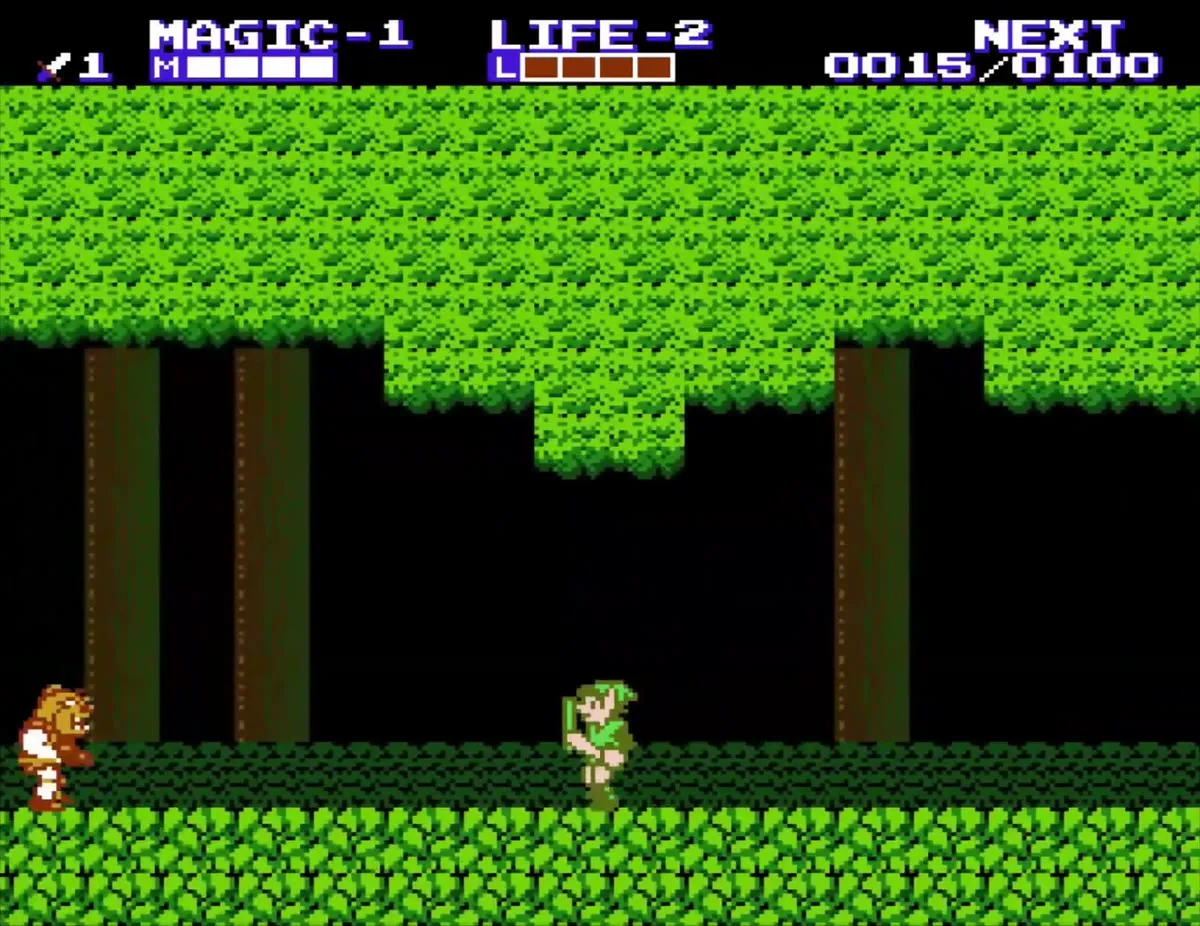

Continuing after a Game Over keeps your levels, spells and items, but the experience you had built toward the next level is lost.
Lives and Game Over
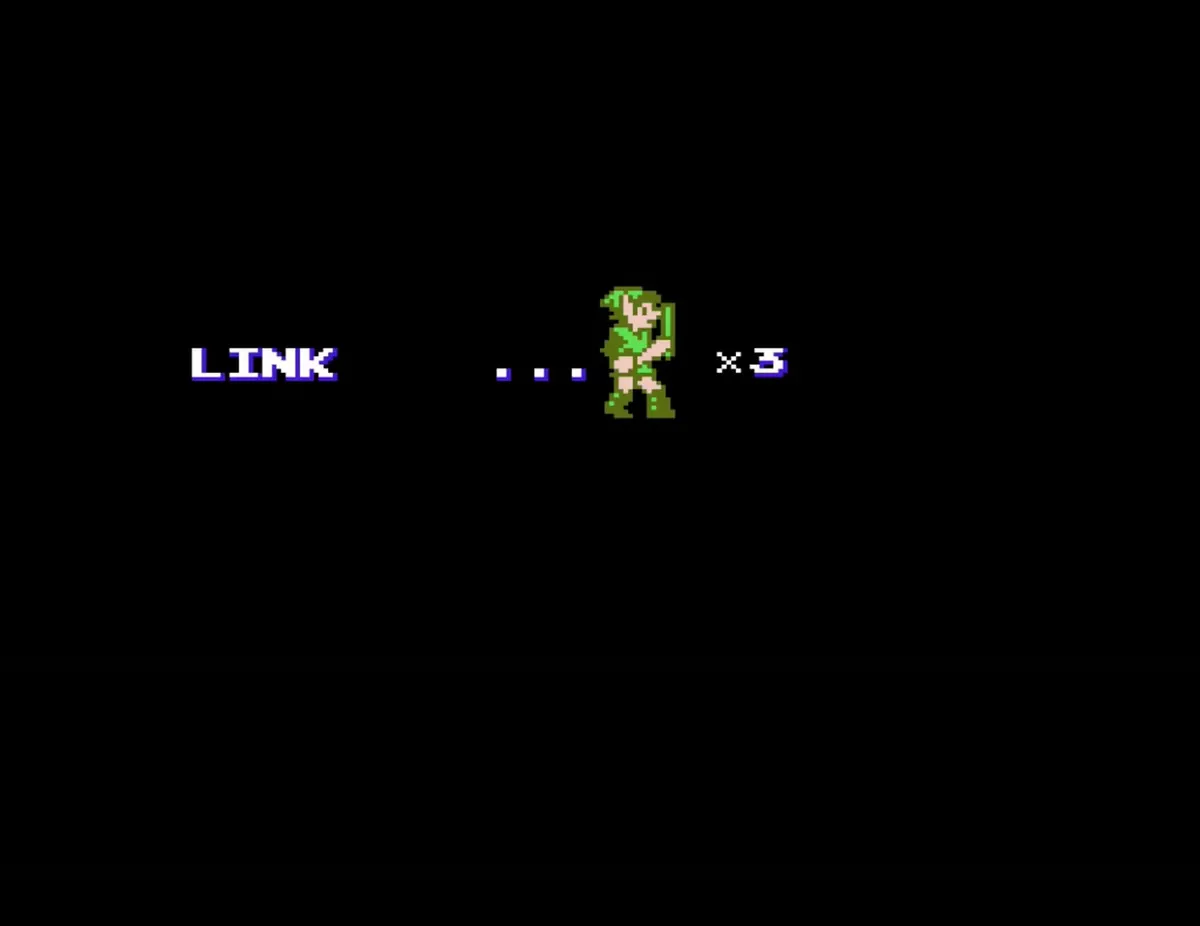
You start with three lives. When your life runs out, you lose one and restart at the entrance of the area or palace you were in. When the last life goes, Continue puts you back at North Palace, or at the Great Palace once you have entered it. Link Dolls and the extra lives from experience add to your total.
How this guide is organised
The walkthrough follows the story, from the North Palace through the six palaces to the Great Palace. Separate pages cover the items, spells, containers, bosses and maps, so you can look up any one thing without reading the whole route.
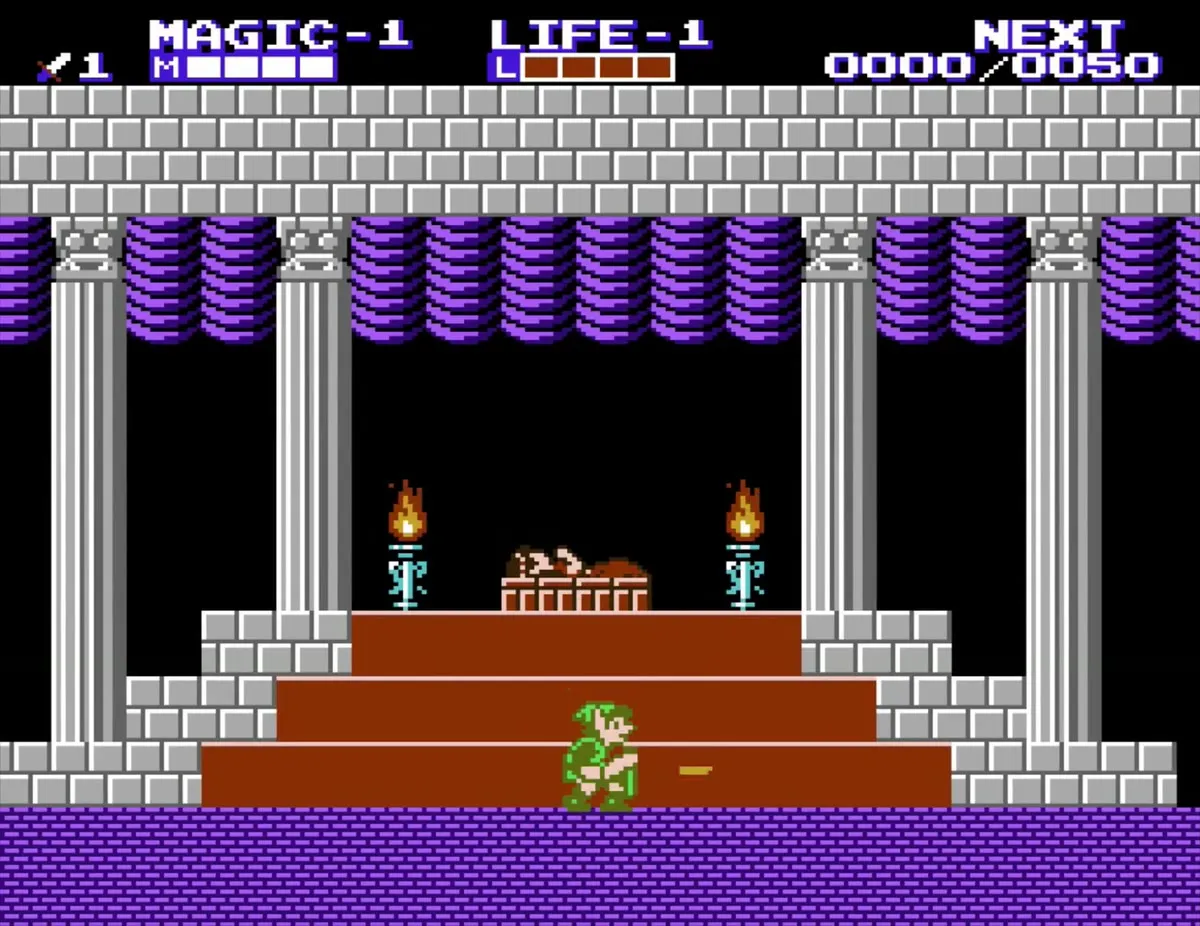

- Starting the Adventure is where the walkthrough begins.
- Maps shows the overworld and every palace layout.
- Story and Setting explains why Link is on his quest.
