
That sounds simple until you try to explain which Link.
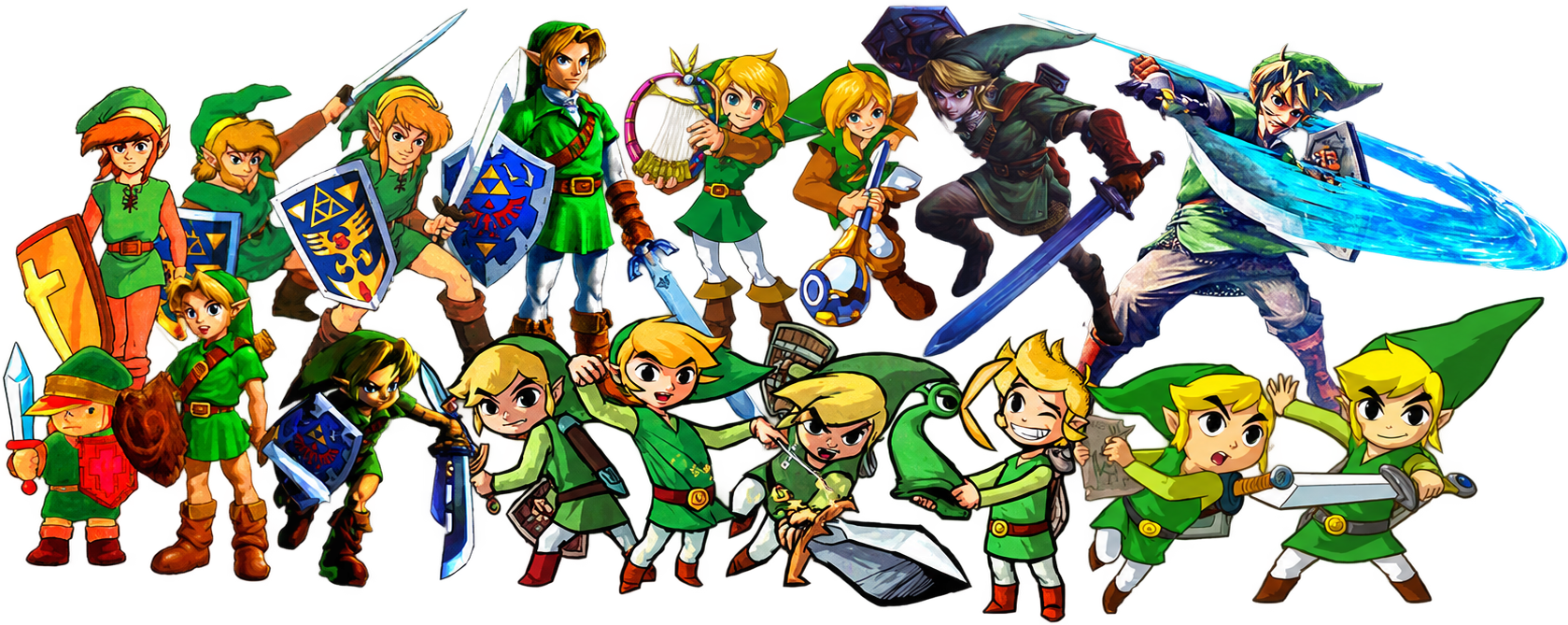
The swordsman who grows up in Kokiri Forest is not the same person as the ranch hand from Ordon Village, the knight-in-training from Skyloft or the amnesiac Champion who awakens a century after the Great Calamity. The Zelda series spans different eras, branches of history and generations of heroes, with the name Link repeatedly belonging to the person who steps forward when Hyrule needs him.
Sometimes he begins as an ordinary child. Sometimes he is already a trained knight. He has been a sailor, blacksmith’s apprentice, train engineer and rancher. He has crossed oceans, traveled through time, transformed into a wolf and woken up with no memory of who he is.
What stays remarkably consistent is the role. Link is the adventurer who goes where nobody else can, solves the dungeon nobody else can enter and eventually picks up a sword against whatever happens to be threatening the world this time.
Who Is Link?
Link is the primary protagonist of The Legend of Zelda series and one of Nintendo’s longest-running characters.
Most Zelda games place players in control of a young hero named Link, but the series usually isn’t following one man through an impossibly long life. Instead, different Links appear at different points in Hyrule’s history. Several games are direct sequels and follow the same hero, while others introduce a new Link with his own family, home and story.
Nintendo describes him as the courageous hero associated with the Triforce of Courage, alongside Princess Zelda and Ganondorf’s traditional associations with Wisdom and Power.
That connection doesn’t mean every Link begins an adventure carrying a piece of the Triforce. In many games, he starts with very little. The original hero begins with little more than a sword. The Wind Waker’s Link is simply a boy trying to rescue his younger sister. Twilight Princess introduces him working on a ranch. Breath of the Wild goes even further and opens with Link waking in the Shrine of Resurrection without his memories or equipment.
The heroism comes afterward.
Character Overview
| Name | Link |
| First Appearance | The Legend of Zelda (1986) |
| Role | Hero and primary protagonist |
| Race | Usually Hylian |
| Associated Triforce | Triforce of Courage |
| Recurring Enemy | Ganon / Ganondorf |
| Recurring Ally | Princess Zelda |
| Signature Weapon | Master Sword |
| Other Famous Equipment | Hylian Shield, bow, bombs, boomerang, Hookshot, ocarinas |
| Notable Titles | Hero of Time, Hero of Winds |
| Notable Forms | Young Link, Adult Link, Wolf Link, Deku Link, Goron Link, Zora Link, Fierce Deity Link |
| Creator | Nintendo / Shigeru Miyamoto |
| Current Major Incarnation | Breath of the Wild and Tears of the Kingdom Link |
Origins and History
Link debuted in the original The Legend of Zelda in 1986.
Even his name reflects what Nintendo wanted the character to do. Zelda developer Toru Osawa later explained that “Link” comes from the idea of binding or connecting things, while Shigeru Miyamoto has described the protagonist’s name in terms of connecting people together.
That idea fits the character unusually well.
Link connects the player to Hyrule, but he also spends most of his adventures bringing separated things back together. He reunites fragments of the Triforce, restores broken swords, awakens sages, reconnects kingdoms and crosses boundaries between childhood and adulthood, light and twilight, past and future, sky and surface.
His design was never meant to be that of an untouchable fantasy warrior. Miyamoto recalled that the Link of the original game was roughly 12 years old and the Link of Zelda II around 16. During Ocarina of Time’s development, he specifically pushed for Young Link to remain part of the game rather than making the protagonist exclusively an older, conventionally heroic figure.
That decision became one of the defining ideas behind the character. Link can grow into the role of hero instead of beginning the story as one.
Every Major Link Incarnation
There have been many Links, but there hasn’t been a new one in every Zelda game.
Some adventures are direct sequels starring the same hero. Nintendo explicitly identifies the Link of Zelda II as the hero from the original The Legend of Zelda, Link’s Awakening follows the Link from A Link to the Past, Majora’s Mask continues the Hero of Time’s story, and Phantom Hourglass follows the Hero of Winds. Nintendo also confirms that Tri Force Heroes uses the same hero as A Link Between Worlds, while Tears of the Kingdom directly continues the story of the Link from Breath of the Wild.
Other games introduce a completely new Link with his own home, background and place in Hyrule’s history. Here’s how the major incarnations break down.
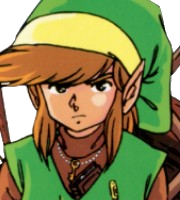
Original Link Character
Games: The Legend of Zelda, Zelda II: The Adventure of Link
What Defines Him: The Link who started it all. A traveling boy who helps Impa and sets out to defeat Ganon, he returns in Zelda II at age sixteen to search for the Triforce of Courage and awaken the sleeping Princess Zelda. Nintendo explicitly identifies the second game’s Link as the same hero.
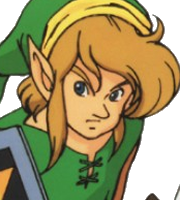
Link of A Link to the Past Character
Games: A Link to the Past, Link’s Awakening
What Defines Him: A descendant of the Knights of Hyrule who answers Zelda’s telepathic plea and ultimately confronts Ganon in the Dark World. After saving Hyrule, he leaves on a journey of training, only to be shipwrecked on the mysterious island of Koholint in Link’s Awakening.
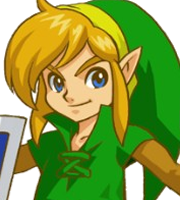
Link of the Oracle Games Character
Games: Oracle of Seasons, Oracle of Ages
What Defines Him: A young hero summoned before the Triforce at Hyrule Castle and transported to the distant lands of Holodrum and Labrynna. The two Oracle adventures are designed as a connected story, with passwords and linked-game content carrying Link’s journey from one game into the other. Nintendo’s current character portal presents this incarnation separately from the A Link to the Past and Link’s Awakening hero.
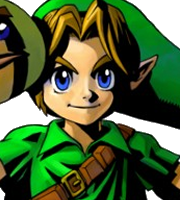
Hero of Time Character
Games: Ocarina of Time, Majora’s Mask
What Defines Him: Raised among the Kokiri but born a Hylian, this Link draws the Master Sword as a child and awakens seven years later as the Hero of Time. After defeating Ganondorf and returning to his childhood, he leaves Hyrule in search of a lost friend and becomes trapped in the doomed world of Termina.
His ability to move between childhood and adulthood, along with his transformations in Majora’s Mask, makes him one of the most visually varied incarnations of Link.
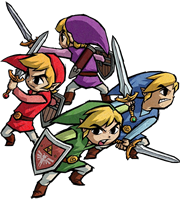
Four Swords Link Character
Games: Four Swords
What Defines Him: After Vaati escapes from the Four Sword, Link draws the legendary blade to rescue Zelda. Its power divides him into four Links, traditionally represented in green, red, blue and purple, who must work together to seal Vaati again.
This Link should remain separate from the hero of Four Swords Adventures. The later game takes place in another era and introduces its own Link.
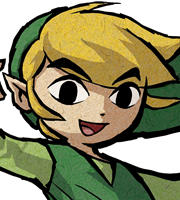
Hero of Winds Character
Games: The Wind Waker, Phantom Hourglass
What Defines Him: A lively boy from Outset Island who sets sail after his younger sister Aryll is kidnapped. He has no established connection to the legendary hero when his adventure begins, but eventually earns the title Hero of Winds while confronting Ganondorf across the Great Sea.
Phantom Hourglass continues with the same Link traveling alongside Tetra and her pirate crew after the events of The Wind Waker. Nintendo even describes him as a bit of a sleepyhead despite already being a proven hero.
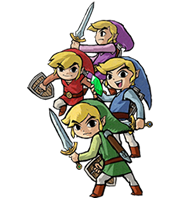
Four Swords Adventures Link Character
Games: Four Swords Adventures
What Defines Him: A later hero who accompanies Zelda and the Shrine Maidens to investigate the Four Sword’s seal. When Shadow Link attacks, he draws the sword and once again splits into four Links, unknowingly freeing Vaati in the process.
Despite the similar premise and visual design, this is not the same Link as the hero of Four Swords. Nintendo’s official chronology places Four Swords Adventures much later, after Twilight Princess on the Child Era branch.
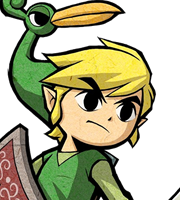
The Minish Cap Link Character
Games: The Minish Cap
What Defines Him: Princess Zelda’s childhood friend and the grandson of Hyrule’s master blacksmith. With Ezlo as his unlikely companion, Link gains the ability to shrink to Minish size while searching for the elemental power needed to restore the Picori Blade and stop Vaati.
He belongs to an early period of Hyrule’s history, before the events of Four Swords.
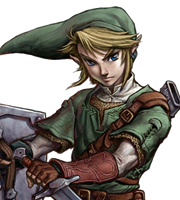
Twilight Princess Link Character
Games: Twilight Princess
What Defines Him: A skilled young ranch hand from Ordon Village whose ordinary life ends when Twilight begins spreading across Hyrule. Entering the Twilight transforms him into Wolf Link, and his partnership with Midna becomes central to his fight against Zant and Ganondorf.
Nintendo describes him as caring, naturally talented with a sword and admired by both the children and adults of his village.
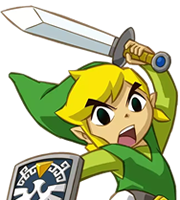
Spirit Tracks Link Character
Games: Spirit Tracks
What Defines Him: A young apprentice train engineer from Aboda Village in the New Hyrule established generations after Phantom Hourglass. His graduation trip to Hyrule Castle quickly turns into an adventure with Princess Zelda when the Spirit Tracks begin disappearing.
This is a new Link, not an older Hero of Winds. By this point, the Great Sea adventures belong to an earlier era of Hyrule’s history.
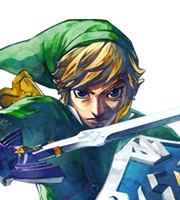
Skyward Sword Link Character
Games: Skyward Sword
What Defines Him: A Knight Academy student from Skyloft and close childhood friend of Zelda. After a tornado pulls Zelda beneath the clouds, Link follows Fi to the Surface and begins the adventure that leads to the creation of the Master Sword.
Nintendo describes him as an accomplished Loftwing rider partnered with an exceptionally rare Crimson Loftwing.
Because Skyward Sword sits at the beginning of Nintendo’s published Zelda chronology, this is the earliest Link currently shown in that timeline.
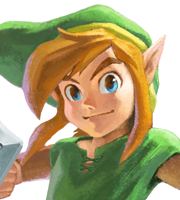
A Link Between Worlds Link Character
Games: A Link Between Worlds, Tri Force Heroes
What Defines Him: A young blacksmith’s apprentice who discovers the ability to merge into walls as a painting while attempting to save both Hyrule and Lorule. Nintendo describes him as compassionate enough to help people in trouble even when they have been his enemies.
Several years later, the same hero travels to Hytopia in Tri Force Heroes. Nintendo’s developers explicitly confirmed that the playable Link is the hero from A Link Between Worlds, not one of the Four Sword’s duplicates.
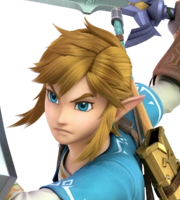
Wild-era Link Character
Games: Breath of the Wild, Tears of the Kingdom
What Defines Him: A gifted swordsman who serves as Princess Zelda’s appointed knight and becomes one of Hyrule’s Champions before the Great Calamity. Mortally wounded while protecting Zelda, he awakens in the Shrine of Resurrection a century later with almost no memory of his former life.
Tears of the Kingdom follows the same hero after Calamity Ganon’s defeat. The Upheaval leaves Link with Rauru’s arm and a completely new set of abilities as he faces Ganondorf beneath, above and across Hyrule. Nintendo explicitly describes him as the hero who defeated the Great Calamity in Breath of the Wild.
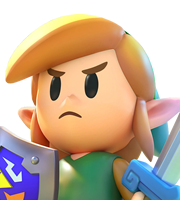
Echoes of Wisdom Link Character
Games: Echoes of Wisdom
What Defines Him: A swordsman from Suthorn Village who carries a mysterious blade. He succeeds in defeating Ganon and freeing Princess Zelda at the beginning of the story, only to be swallowed by one of the strange rifts spreading across Hyrule.
His disappearance flips the usual Zelda formula. Instead of Link setting out to rescue Zelda, Zelda becomes the playable hero searching for Link and the other people lost to the rifts.
No Two Links Are Quite the Same
The repeated green tunic can make the different heroes look more alike than they really are.
Nintendo gives many incarnations surprisingly specific backgrounds and personalities. The Hero of Winds is an energetic island boy fiercely devoted to his family. The Twilight Princess Link is a dependable ranch hand trusted throughout Ordon Village. The A Link Between Worlds hero is compassionate but notoriously difficult to wake up in the morning. Even the already accomplished Hero of Winds is described as laid-back and sleepy by the time of Phantom Hourglass.
They share the name Link and repeatedly fill the role of Hyrule’s hero, but they aren’t interchangeable versions of one character. Each has his own upbringing, relationships, abilities and reason for picking up the sword.
The games themselves provide much more personality than the shared name might suggest. Nintendo’s character archive describes the Hero of Winds as lively and devoted to his family, the Twilight Princess hero as a caring ranch hand admired by his village, and the A Link Between Worlds hero as kind enough to help even people who have opposed him.
The Legend of Zelda and Zelda II

The first Link established the basic template in 1986.
He enters a Hyrule devastated by Ganon, meets Impa and takes on the task of recovering the eight scattered pieces of the Triforce of Wisdom before confronting Ganon and rescuing Princess Zelda.
Zelda II: The Adventure of Link follows the same hero. Now older, Link discovers a crest on the back of his hand and sets out to obtain the Triforce of Courage in order to awaken another Princess Zelda who has been trapped in an enchanted sleep. Nintendo’s character history specifically identifies him as the returning hero from the original game.
The finer details of Link’s personality were still mostly left to the player’s imagination, but the foundation was already there: sword, shield, courage and an unfortunate habit of getting handed enormous responsibilities.
A Link to the Past and Link’s Awakening
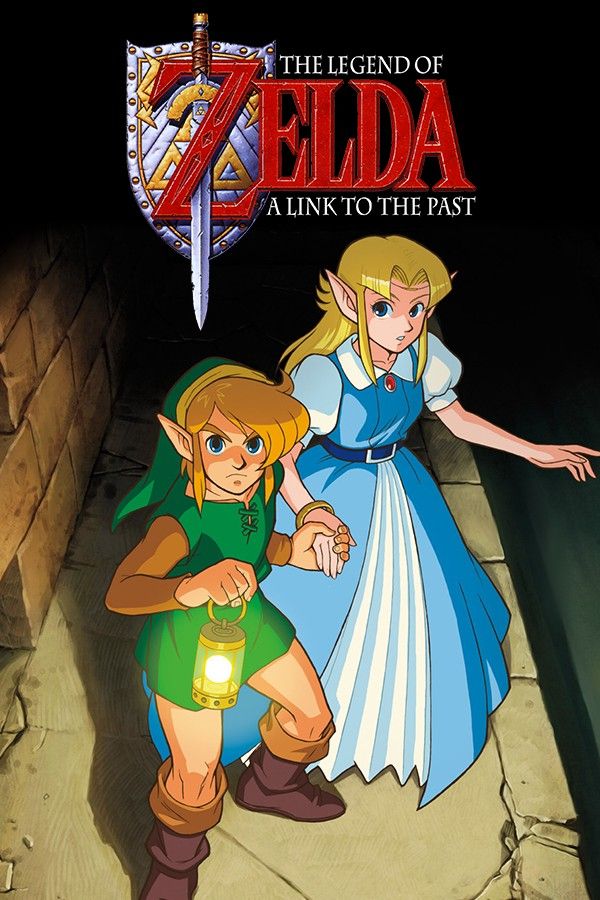
A Link to the Past gives Link more of a background.
He lives with his uncle near Hyrule Castle and descends from the Knights of Hyrule. When Princess Zelda reaches him telepathically during a storm, Link heads toward the castle and quickly inherits a fight much larger than he expected.
His adventure ultimately takes him between the Light World and Dark World and places the Master Sword firmly at the center of his arsenal.
Nintendo identifies the Link of Link’s Awakening as the same hero. After his earlier adventure, he leaves Hyrule to train. The voyage home ends badly when a storm destroys his ship and leaves him unconscious on Koholint Island.
There is no Ganon to chase through Koholint and no Hyrule to save. Link’s problem is simply getting home, and doing so forces him to confront one of the stranger truths in the series.
Ocarina of Time and Majora’s Mask
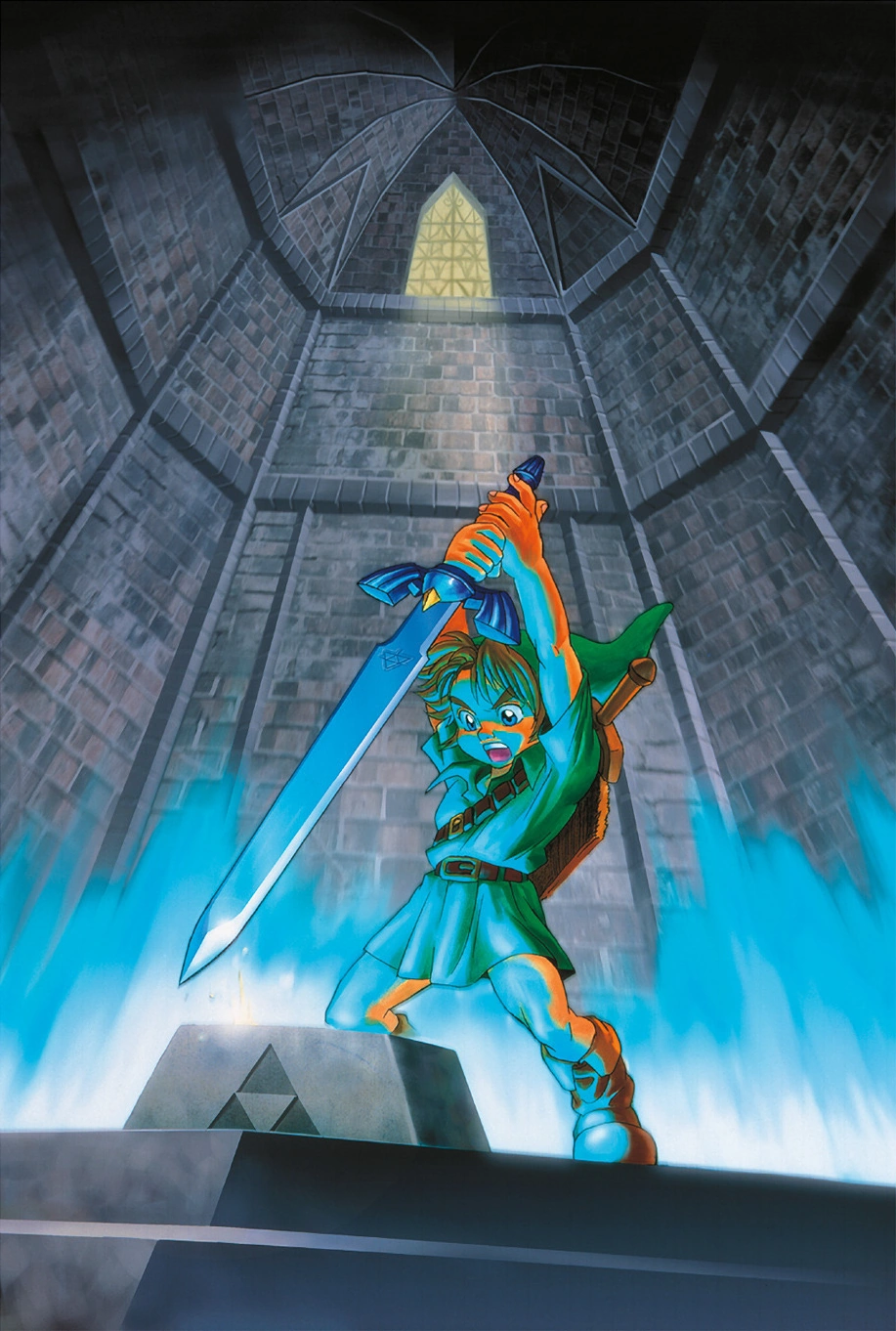
The Hero of Time is probably the incarnation that did the most to define the popular image of Link.
He grows up among the Kokiri but isn’t one of them. The Great Deku Tree eventually reveals that Link is Hylian, and his journey takes him from Kokiri Forest to Hyrule Castle and ultimately to the Temple of Time.
When the young Link draws the Master Sword, he isn’t ready for what comes next. He sleeps for seven years before awakening in an adult body and finding a Hyrule transformed by Ganondorf’s rule.
Nintendo formally calls him the Hero of Time.
The 2026 remake brings this incarnation back on Nintendo Switch 2 with completely overhauled graphics, expanded dialogue, voiced cutscenes, modernized movement and a symphonic soundtrack. It releases November 5, 2026.
Explore our complete Ocarina of Time Remake hub →
Majora’s Mask picks up after Link has returned to his childhood. While searching for Navi, he follows Skull Kid into Termina and gets trapped in a repeating three-day cycle ending with the moon crashing into the world.
This time, Link’s identity becomes unusually fluid. Masks allow him to transform into other beings and inherit their abilities, resulting in Deku, Goron and Zora forms as well as the overwhelming Fierce Deity transformation.
The Wind Waker and Phantom Hourglass
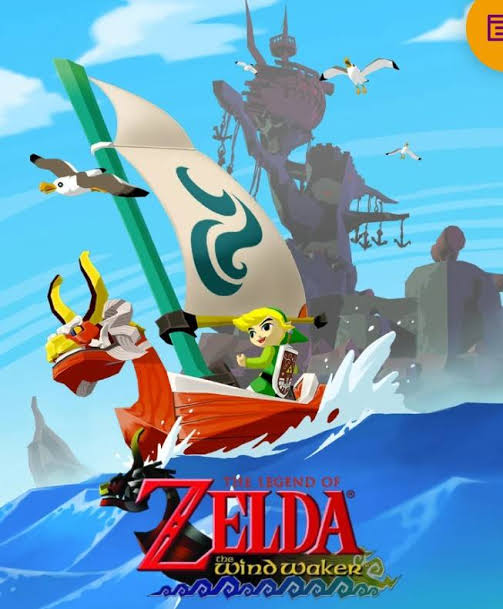
The Hero of Winds begins without any obvious destiny at all.
He lives on Outset Island with his grandmother and younger sister Aryll. On his twelfth birthday, island tradition has him dress in green to honor the legendary hero of the past. When Aryll is kidnapped, Link leaves home to bring her back.
That rescue eventually becomes something much larger.
Link receives the Wind Waker, sails across the Great Sea aboard the King of Red Lions and becomes entangled in the unfinished history of ancient Hyrule. Nintendo’s official character history gives this incarnation the title Hero of Winds.
Phantom Hourglass continues his story directly. Link sails with Tetra and her pirates until an encounter with the Ghost Ship sends him into another adventure, this time in the World of the Ocean King.
His wide-eyed, cel-shaded design later became known more generally as Toon Link, particularly in games such as Super Smash Bros. Nintendo also uses the Toon Link name for official amiibo based on The Wind Waker.
Twilight Princess
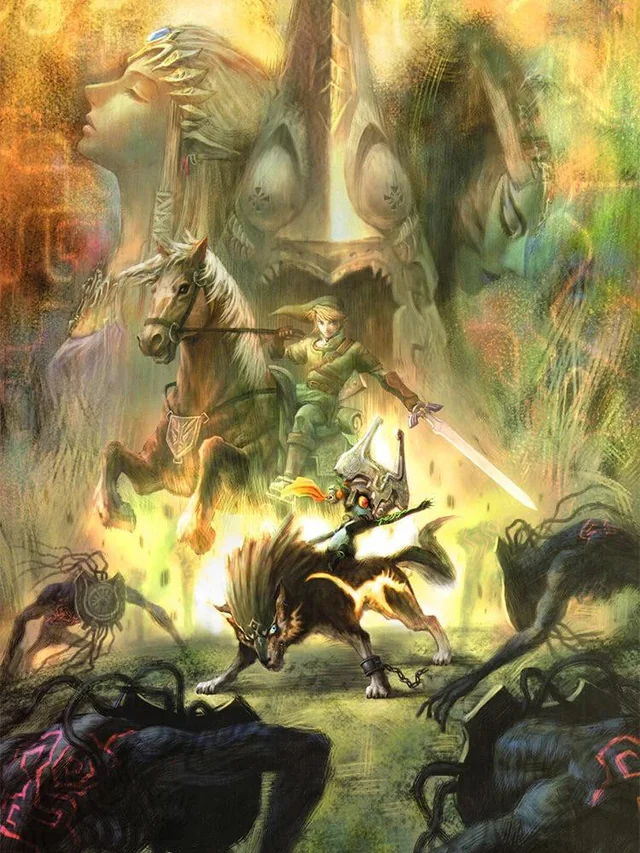
This Link has a job before destiny interrupts him.
He works as a ranch hand in Ordon Village, tends animals, helps his neighbors and is preparing to deliver a gift to Hyrule Castle when his quiet life falls apart. Nintendo describes him as caring, skilled with a sword and admired by both the adults and children of the village.
After entering the Twilight, Link transforms into a wolf and meets Midna. Their initially reluctant partnership gradually becomes the emotional center of the game.
Wolf Link has abilities unavailable to his human form. He can follow scents, dig, communicate with animals and use heightened senses to perceive things hidden from human Link. Midna can ride on his back and assist him in combat and navigation.
His human combat skills also expand dramatically under the training of the Hero’s Spirit, giving this Link one of the broadest sword-fighting movesets in the series.
Explore the Twilight Princess character guide →
Skyward Sword
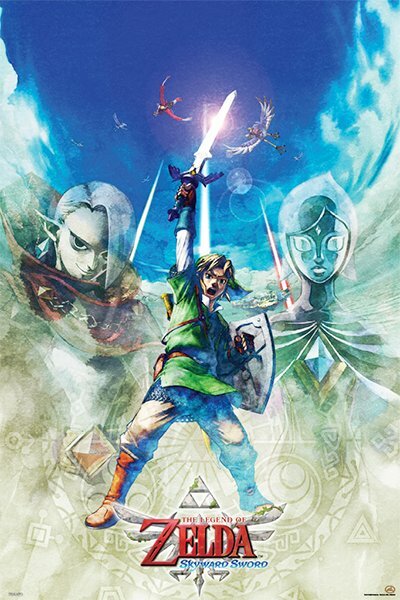
Chronologically, Skyward Sword sits near the beginning of Zelda’s history.
This Link is a resident of Skyloft and student at the Knight Academy. He shares a close friendship with Zelda and has an unusually rare Crimson Loftwing as his partner. When Zelda disappears beneath the clouds, he follows her to a surface world that most residents of Skyloft believe exists only in legend.
His sword is initially the Goddess Sword, home to the spirit Fi. Over the course of the adventure, the blade is strengthened until it becomes the Master Sword.
This makes Skyward Sword especially important to Link’s wider history. It doesn’t establish one immortal Link who continues through every later game. Instead, it shows one of the earliest heroes in the cycle of stories surrounding Link, Zelda and the threats that repeatedly emerge against them.
A Link Between Worlds and Tri Force Heroes
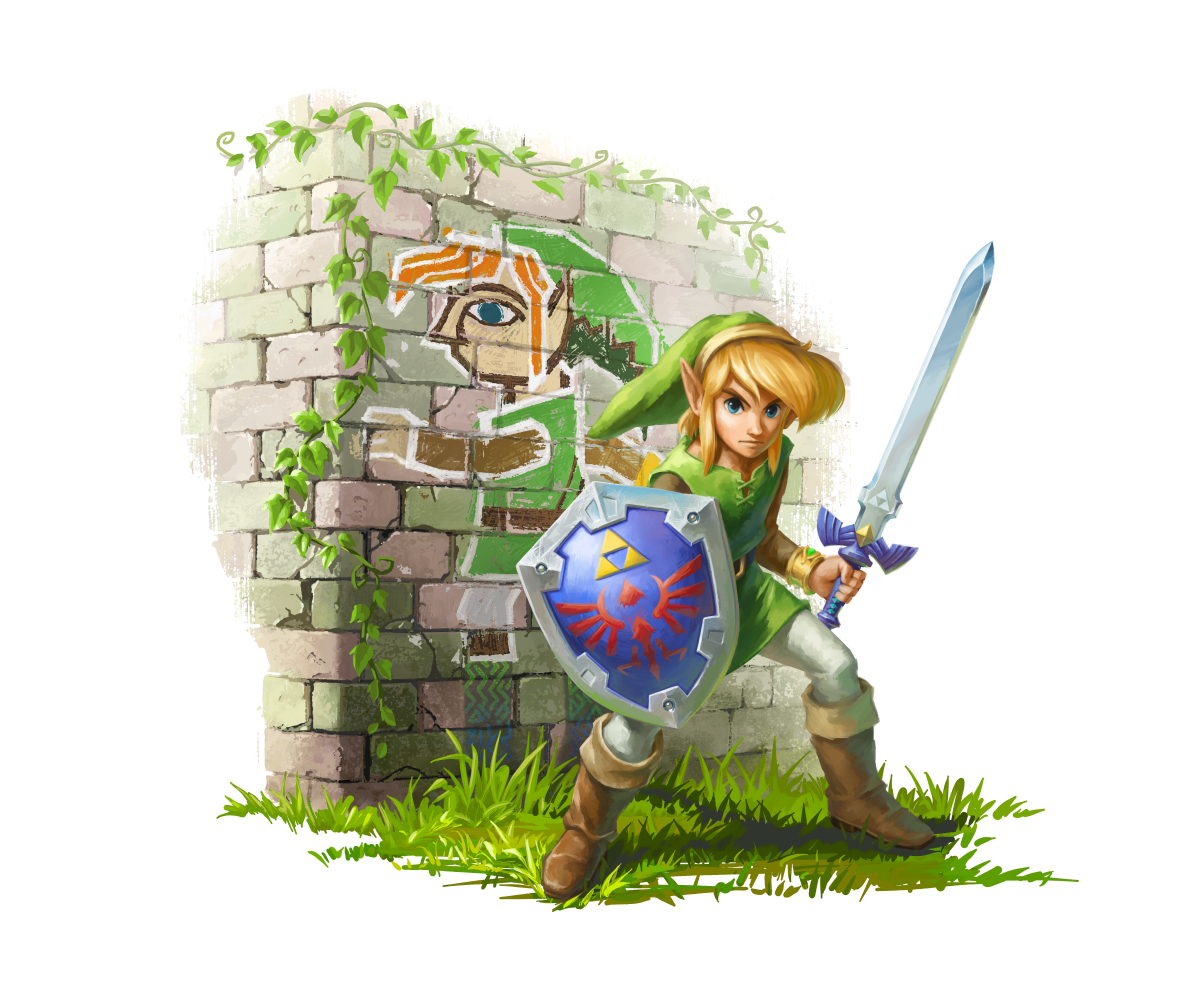
A Link Between Worlds introduces Link as a young blacksmith’s apprentice living near Hyrule Castle.
His adventure takes him between Hyrule and its dark counterpart, Lorule, using the unusual ability to flatten himself into a painting and move along walls.
Nintendo’s character archive gives this Link a little more personality than his quiet reputation might suggest. He sleeps late, has a strong sense of justice and shows compassion even toward enemies.
Tri Force Heroes follows the same hero into the fashion-obsessed kingdom of Hytopia. Nintendo even notes one problem with this otherwise proven adventurer: he has no sense of fashion.
Everyone has a weakness.
Breath of the Wild
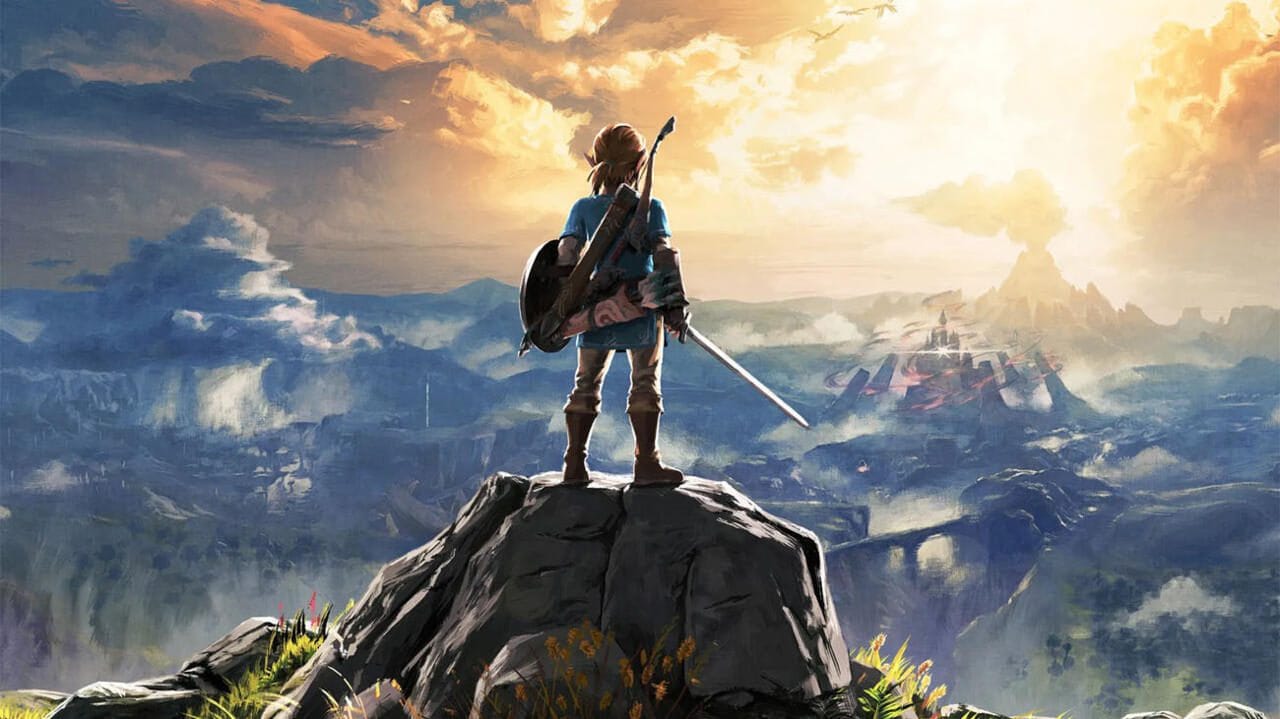
By the time Breath of the Wild begins, this Link has already failed once.
A century earlier he served as one of Hyrule’s Champions and as Princess Zelda’s appointed knight. He was already an extraordinary swordsman capable of wielding the Master Sword. When Calamity Ganon overwhelmed Hyrule, Link was critically wounded protecting Zelda and taken to the Shrine of Resurrection.
He wakes 100 years later with almost no memory of his life before the Calamity.
Nintendo describes this incarnation simply as a young man awakening without his past, gradually learning about the mission that had been entrusted to him.
The structure of Breath of the Wild makes this especially effective. Link learns who he used to be at roughly the same time the player does.
He eventually reconnects with the spirits of the four Champions, recovers the Master Sword and confronts Calamity Ganon at Hyrule Castle.
Explore the Breath of the Wild character guide →
Tears of the Kingdom
Tears of the Kingdom follows the same Link after the defeat of the Great Calamity.
While exploring beneath Hyrule Castle with Zelda, he encounters the sealed Ganondorf. The resulting Upheaval leaves Link badly injured and destroys his right arm.
Rauru’s arm replaces it, becoming the source of Link’s new abilities. Nintendo specifically built the game’s design around this altered arm and the theme of hands.
Ultrahand lets Link move and connect objects.
Fuse combines weapons, shields and materials.
Ascend lets him pass upward through surfaces.
Recall reverses an object’s movement through time.
Rather than simply giving Link a larger collection of traditional dungeon tools, Tears of the Kingdom effectively turns the environment itself into his toolbox. Nintendo describes these abilities as central to building, combat and exploration across Hyrule’s surface, sky and Depths.
Explore the Tears of the Kingdom character guide →
Echoes of Wisdom

Echoes of Wisdom reverses the familiar setup.
Link begins the story doing exactly what players expect him to do: fighting Ganon and rescuing Princess Zelda.
Then he disappears.
A mysterious rift swallows Link immediately after the battle, leaving Zelda as the game’s central hero. Nintendo describes this Link as a green-clad swordsman from Suthorn Village who carries a mysterious sword.
His absence isn’t a joke or cameo. It becomes one of the events that sends Zelda on her own adventure.
Powers and Abilities

Link rarely possesses one universal set of supernatural powers.
What makes him dangerous is how quickly he learns to use whatever an adventure puts in his hands.
Swordsmanship is the most consistent ability. Several Links eventually become expert swordsmen, while others begin with little or no formal combat experience and improve during the course of the game.
He’s also an accomplished archer, horse rider, climber, swimmer and musician depending on the incarnation.
Magic varies far more. Individual Links have used magical medallions, elemental rods, transformation masks, magical armor and powers granted by other characters. The Breath of the Wild Link inherits abilities from the fallen Champions, while Tears of the Kingdom gives him powers through Rauru’s arm.
Nintendo’s own description of the character emphasizes the combination more than any single superpower: Link gets through dungeons and battles with courage and cleverness.
Weapons and Equipment

Master Sword Item
No weapon is more closely associated with Link.
Different Links wield the Master Sword at different points in Hyrule’s history, usually when facing Ganon, Ganondorf or another threat connected to powerful evil.
Skyward Sword depicts the Goddess Sword’s transformation into the Master Sword, while later games repeatedly return Link to the challenge of proving himself worthy of wielding it.
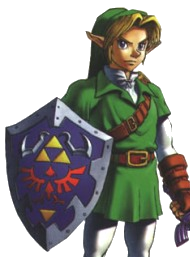
Hylian Shield Item
The blue shield bearing Hyrule’s crest has become almost as recognizable as Link’s sword.
Its precise role varies by game. Sometimes it is a major piece of equipment and sometimes a rare optional reward, but the combination of Link, the Master Sword and Hylian Shield has become his most recognizable battle appearance.
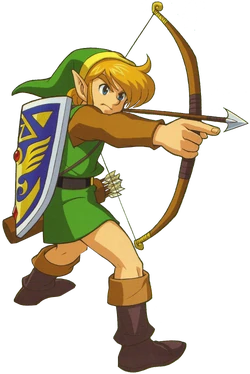
Bow Item
Bows appear throughout the series and frequently become essential for both combat and dungeon puzzles.
Later Links become particularly versatile archers. Breath of the Wild and Tears of the Kingdom allow different bows, arrow types and midair slow-motion shots.
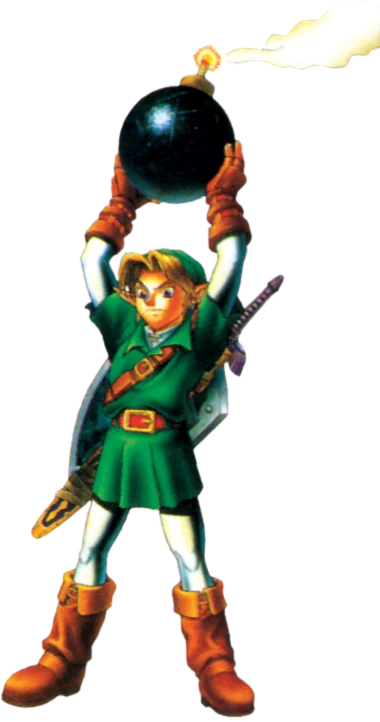
Bombs Item
Bombs have been part of Link’s toolkit since the original game.
Their job is rarely limited to blowing up enemies. Suspicious walls have had good reason to fear Link for four decades.
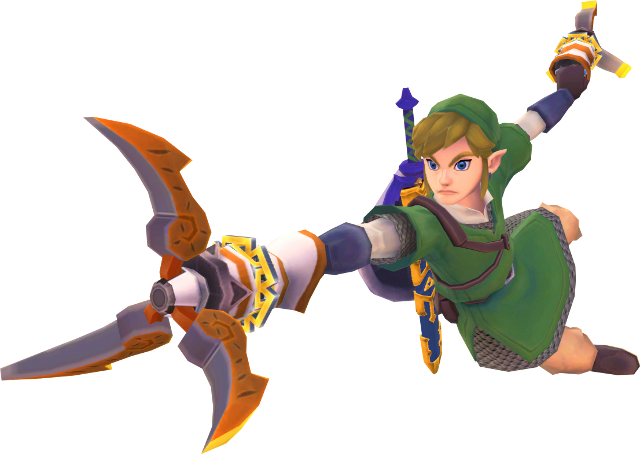
Boomerangs, Hookshots and Clawshots Item
Recurring tools give Link ways to manipulate the environment as much as fight enemies.
Boomerangs retrieve distant objects and stun targets. Hookshots and Clawshots let him cross gaps, reach new heights and pull objects toward himself.
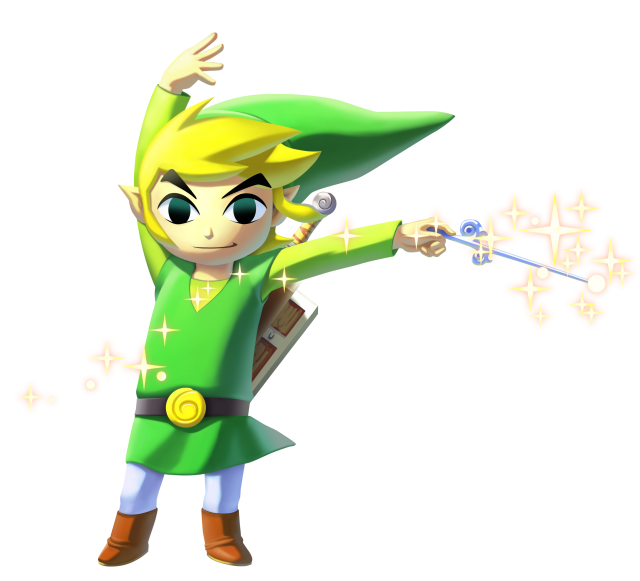
Musical Instruments Item
Link has accumulated a surprisingly respectable musical résumé.
His instruments include the Ocarina of Time, Fairy Ocarina, Goddess’s Harp and Wind Waker, along with various flutes and quest-specific instruments. Nintendo has even highlighted his recurring role as a multi-instrumentalist.
Transformations and Forms
A few adventures dramatically alter Link himself rather than simply changing his equipment.

Young and Adult Link Character
Ocarina of Time lets players experience the same hero as a child and young adult separated by seven years.
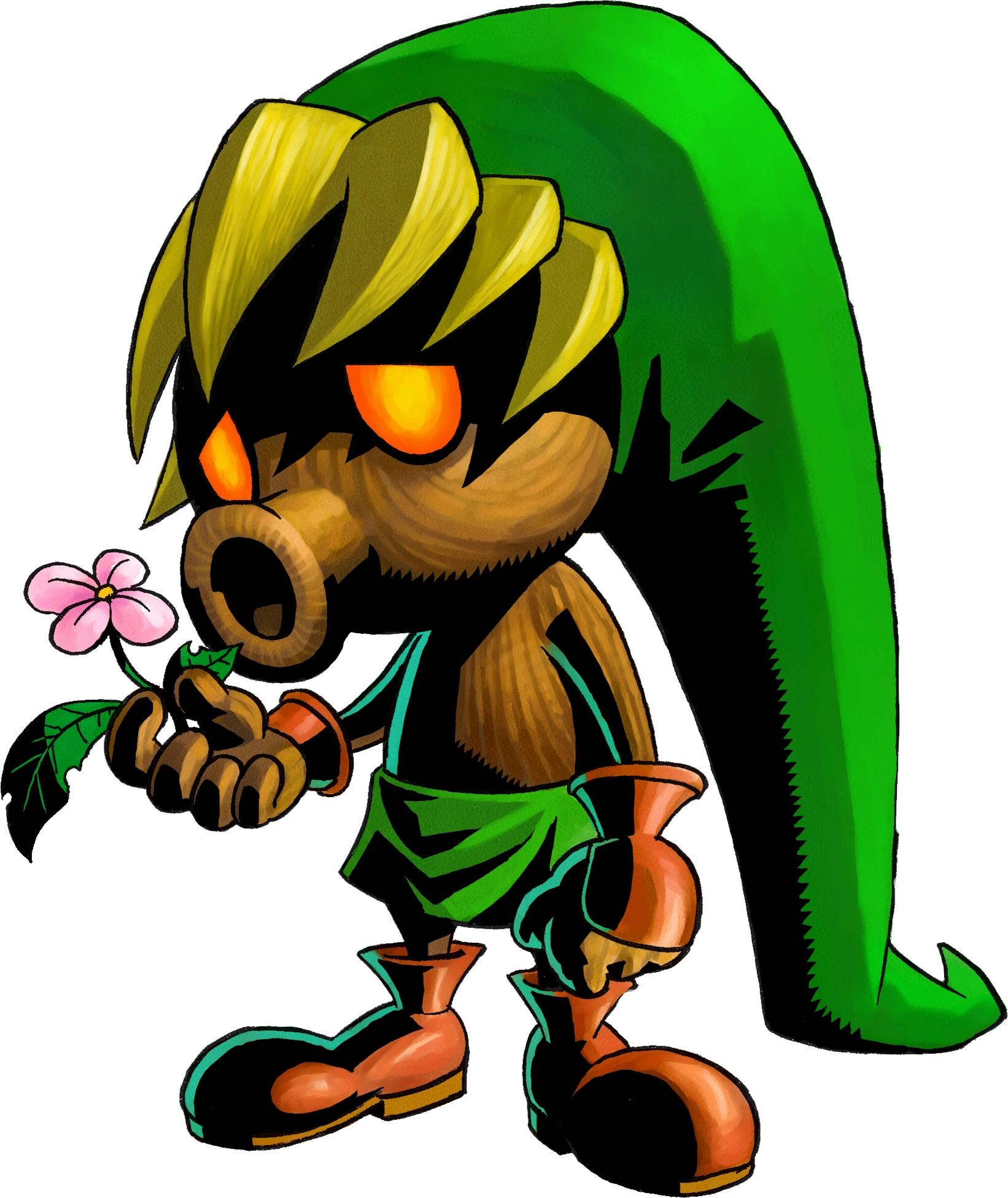
Deku Link Character
The Deku Mask transforms Link into a Deku Scrub in Majora’s Mask.
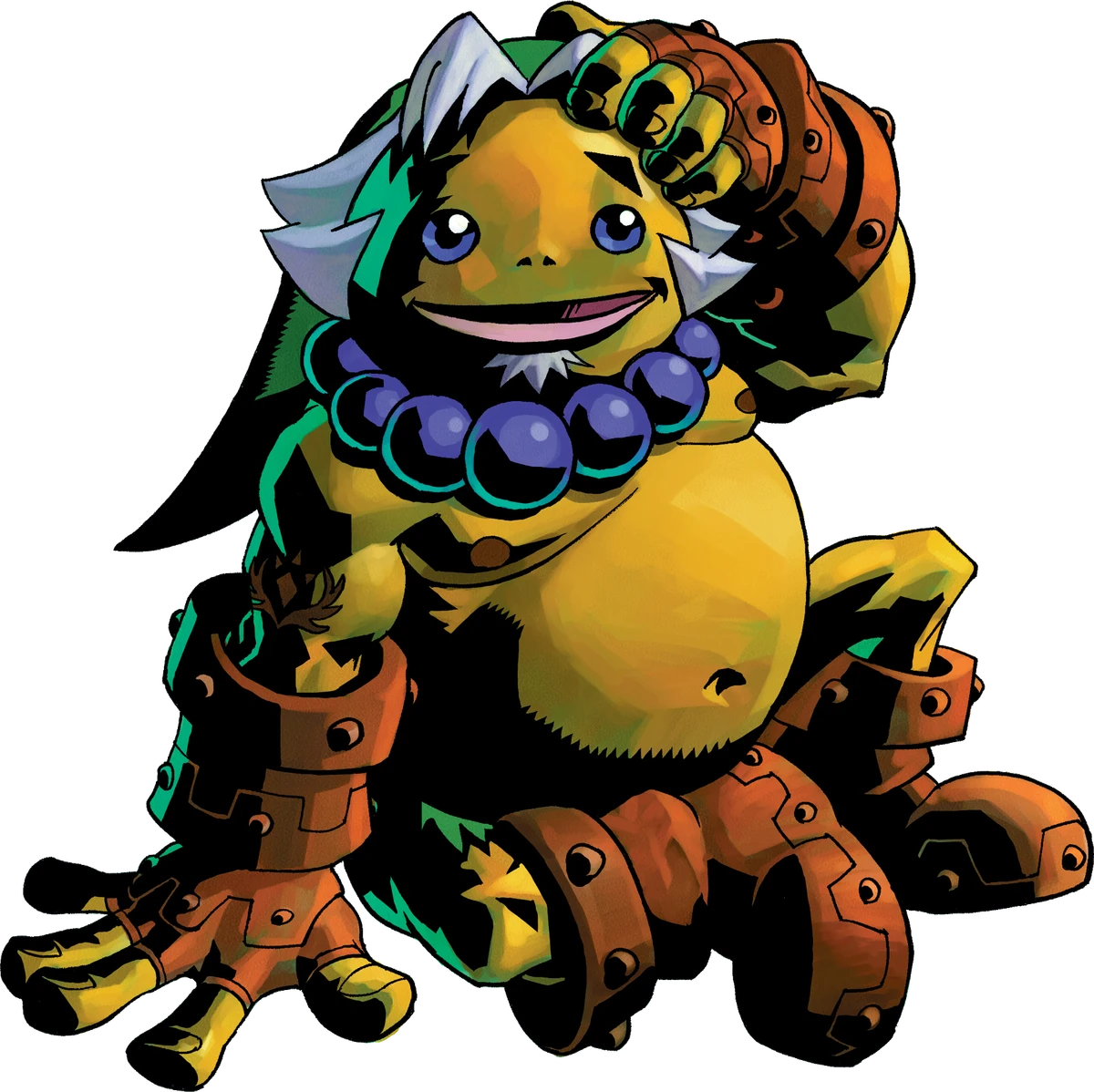
Goron Link Character
The Goron Mask gives him the body and abilities of the fallen Goron hero Darmani.
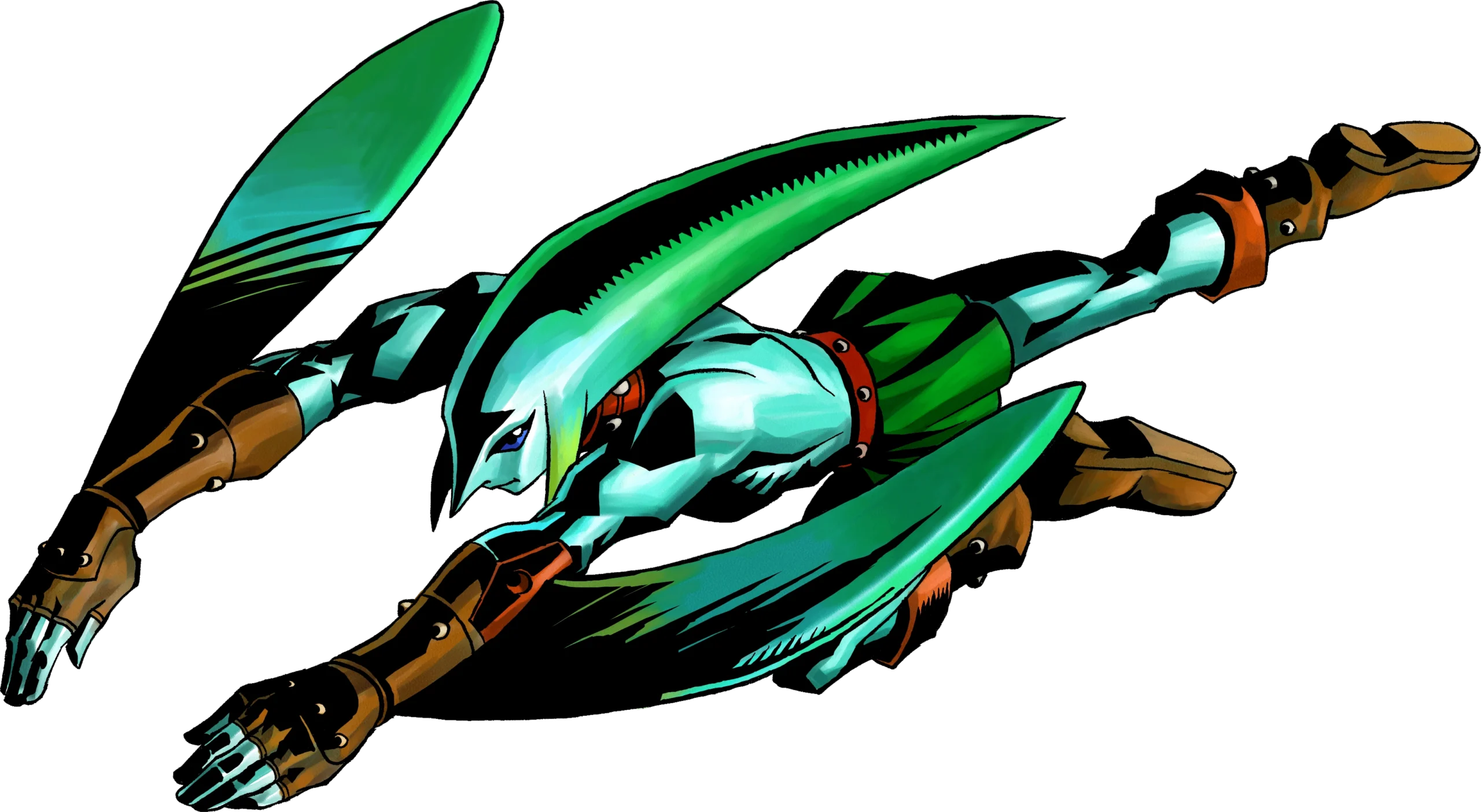
Zora Link Character
The Zora Mask allows Link to assume the form and abilities of Mikau.
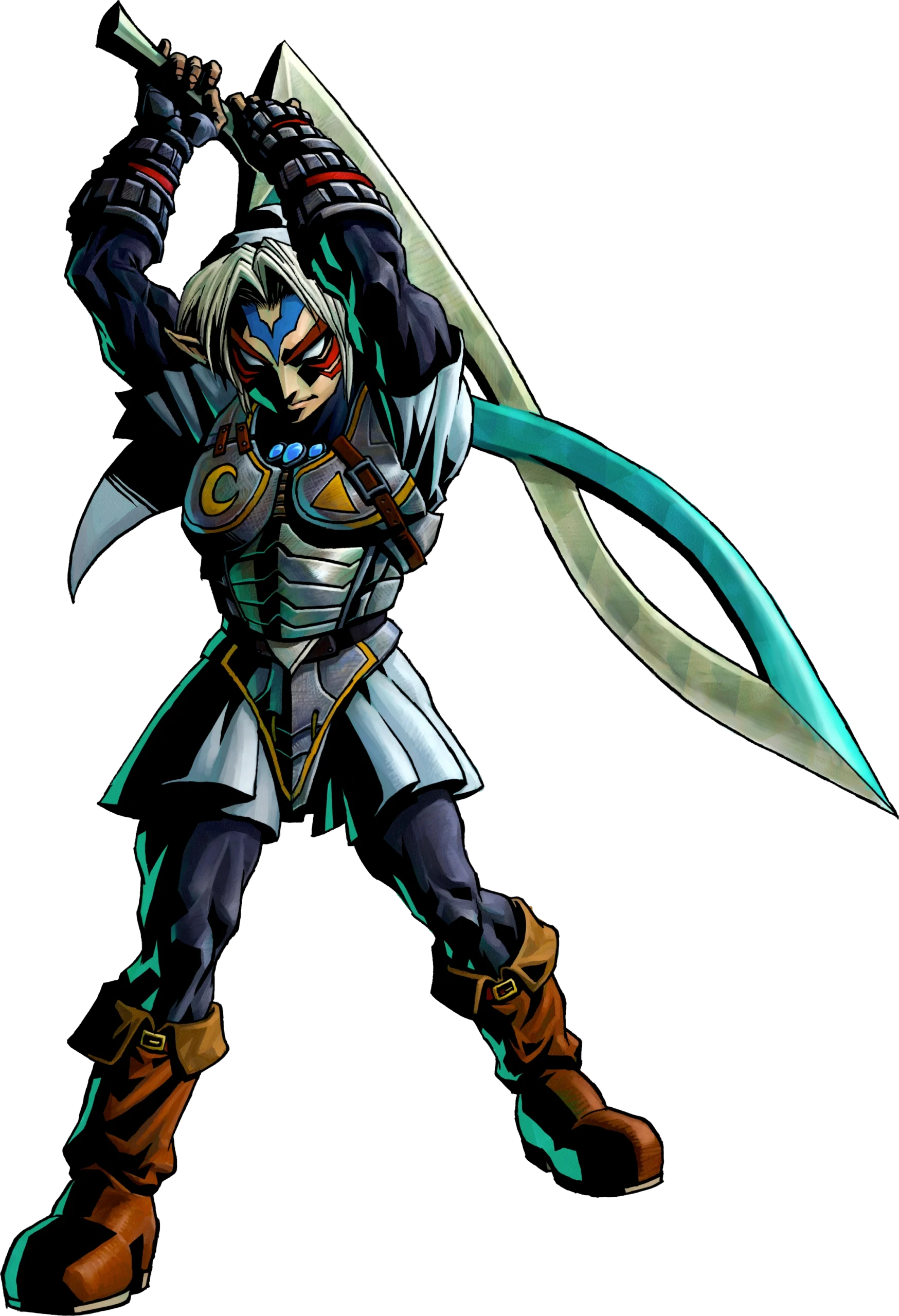
Fierce Deity Link Character
The Fierce Deity’s Mask gives Link an extremely powerful adult form during certain battles in Majora’s Mask.
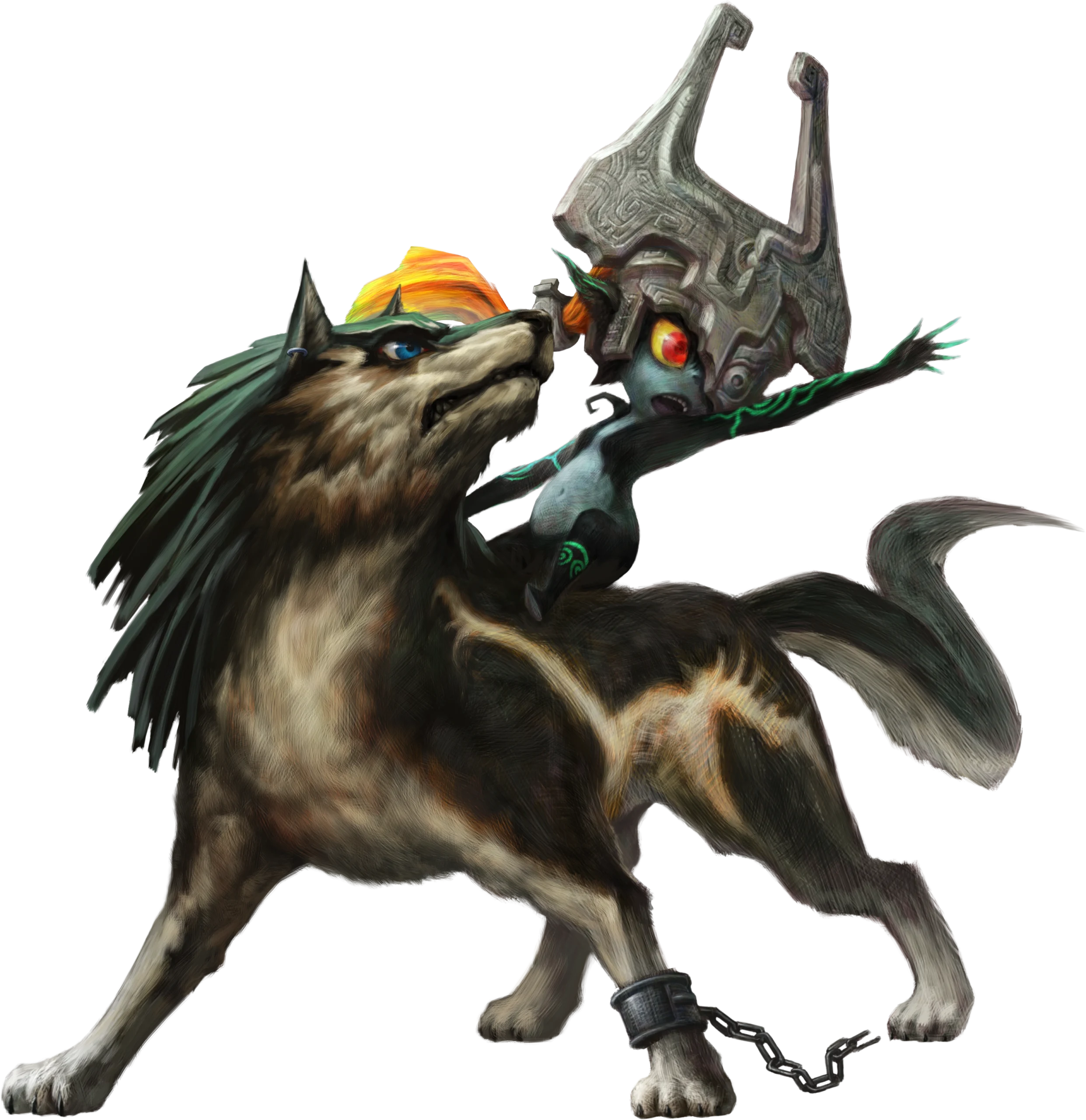
Wolf Link Character
Twilight transforms the Twilight Princess hero into a wolf, fundamentally changing movement, combat and exploration.
Four Links Character
Drawing the Four Sword can divide Link into multiple versions of himself, a central mechanic of the Four Swords games.
Not every one of these is a separate incarnation. Young Link and Adult Link in Ocarina of Time, for example, are simply the same person at different ages.
Relationships
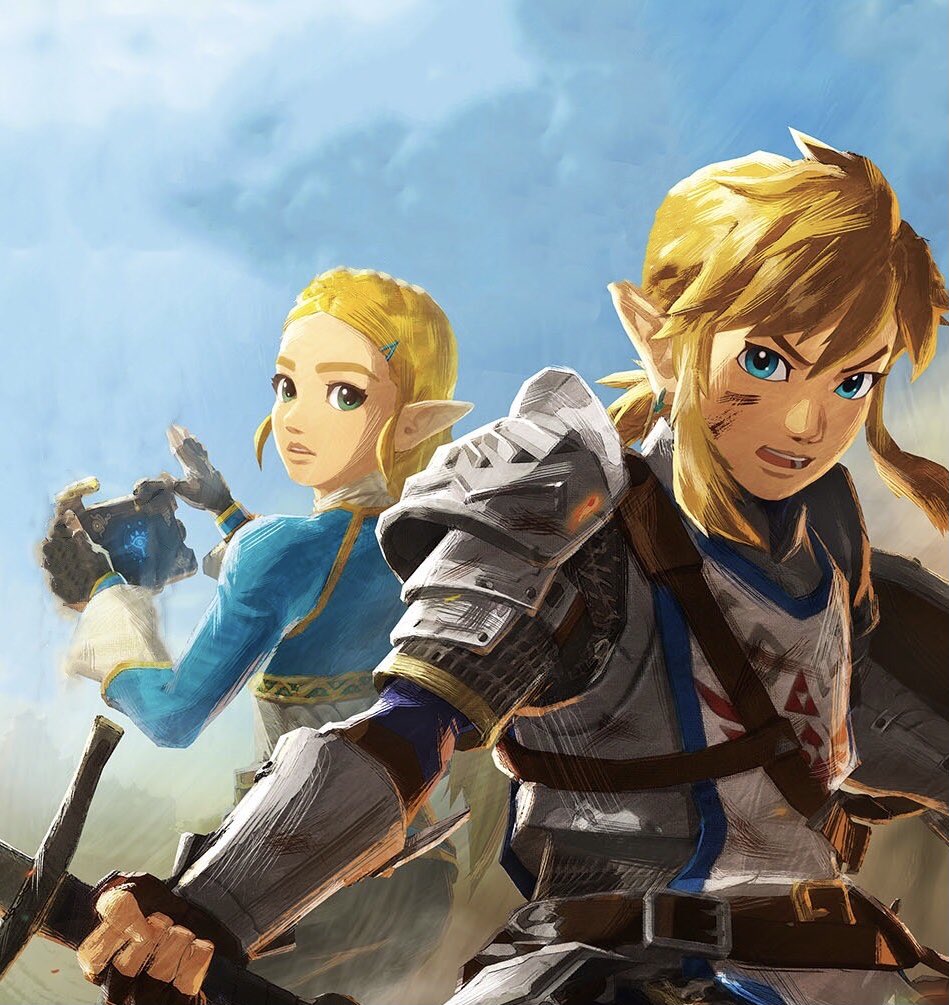
Princess Zelda Character
There is no single Link-Zelda relationship because there is no single Link or Zelda.
Sometimes they barely know each other before Hyrule is threatened. In The Minish Cap and Skyward Sword, they are childhood friends. Spirit Tracks turns them into unusually direct traveling partners. Breath of the Wild gradually reveals the complicated relationship between Zelda and the knight assigned to protect her.
What remains consistent is their tendency to end up on the same side of Hyrule’s biggest conflicts.
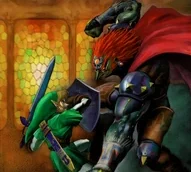
Ganon and Ganondorf Character
Ganon is Link’s most persistent enemy.
The two have fought in many forms and many eras, but not every Link faces him. Vaati, Majora, Bellum, Malladus and other villains have all filled the antagonist role when Ganon is absent.
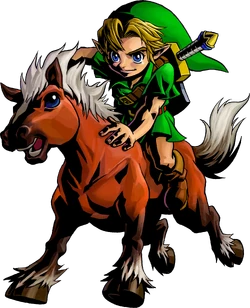
Epona Character
Epona is Link’s most famous mount, particularly through Ocarina of Time, Majora’s Mask and Twilight Princess.
The name has become closely associated with Link even though, like Link himself, appearances across different eras should not automatically be treated as one immortal horse.
Companions

Different Links are often defined by whoever travels beside them.
Navi guides the Hero of Time. Tatl accompanies him in Termina. The King of Red Lions carries the Hero of Winds across the Great Sea. Midna partners with Wolf Link. Fi guides the Skyward Sword hero. Ezlo rides around on Link’s head in The Minish Cap.
The companions change, but Zelda repeatedly gives Link someone to argue with, learn from or listen to while the player is busy breaking every pot in sight.
Timeline Placement
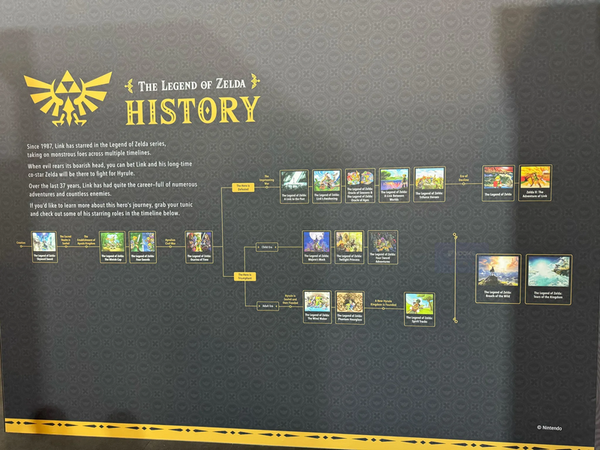
Link doesn’t occupy one point on the Zelda timeline.
He occupies many of them.
Nintendo’s official chronology begins with the Skyward Sword hero and eventually reaches Ocarina of Time, where history splits into different outcomes. The Hero of Time’s victory creates separate Child and Adult branches, while another branch follows the outcome in which the hero is defeated.
That is why multiple Links can exist without being the same person.
The Hero of Time continues into Majora’s Mask. A later hero appears in Twilight Princess on the Child branch. The Hero of Winds appears in The Wind Waker on the Adult branch. Other Links live in the history that follows A Link to the Past.
Breath of the Wild and Tears of the Kingdom take place in a much later Hyrule. Nintendo’s current public chronology presents those games separately from the older branching chart rather than assigning them a simple position inside one of its three traditional post-Ocarina branches.
Is Link Left-Handed?
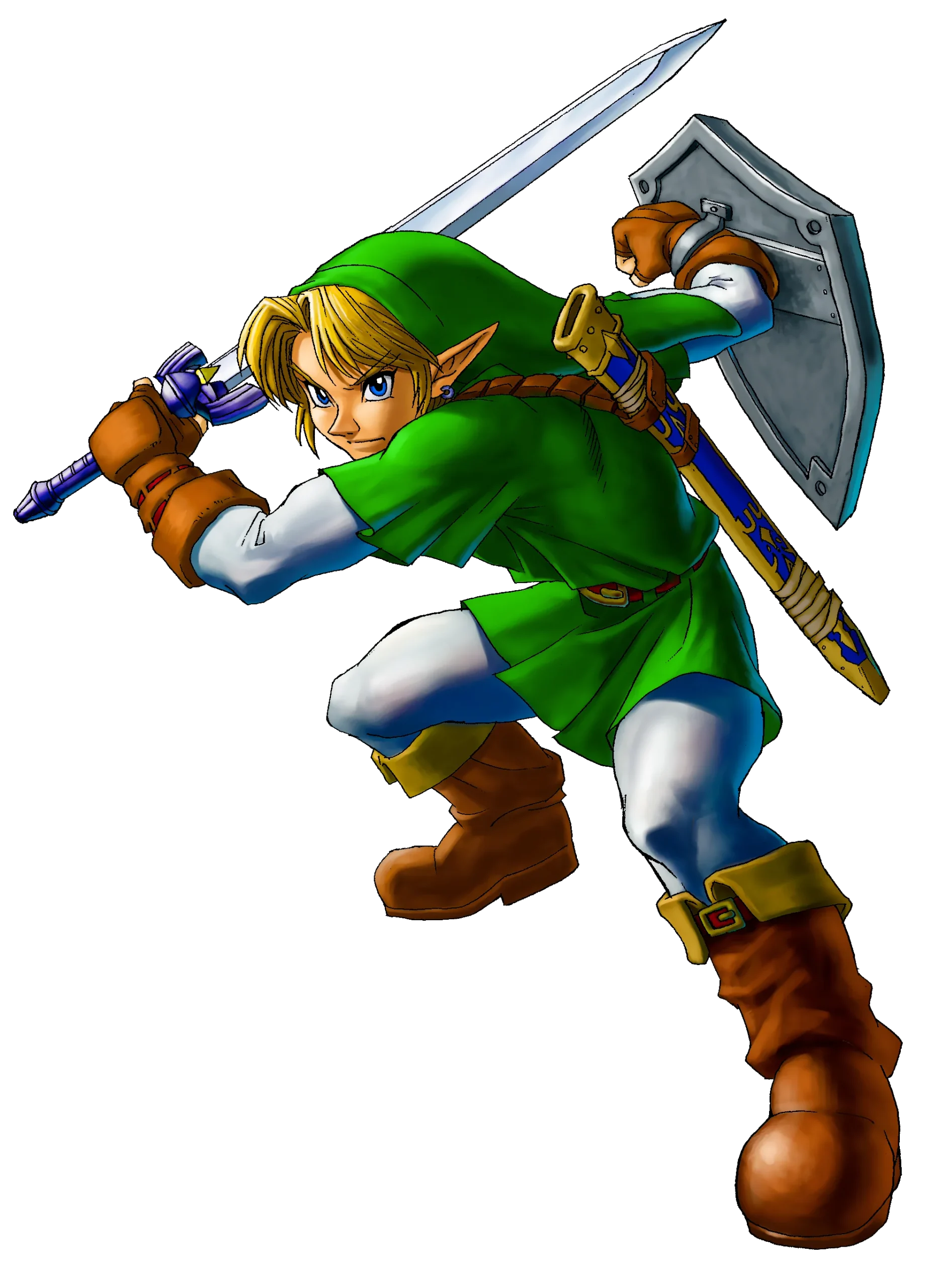
Traditionally, yes.
Nintendo notes that Link is mostly left-handed. The GameCube version of Twilight Princess keeps his traditional left-handed sword arm, while the Wii release mirrors the game and makes him right-handed to better match most players using motion controls.
Later games such as Skyward Sword, Breath of the Wild and Tears of the Kingdom also depict him as right-handed.
So “Link is left-handed” is broadly true of the character’s history, but no longer a universal rule.
Voice Actors
Calling Link a silent protagonist is slightly misleading.
He rarely receives conventional spoken dialogue, but he has had voiced grunts, shouts, gasps and other reactions since the 3D era. His performances are a major part of making combat and movement feel expressive even when Link isn’t delivering voiced speeches.
Some of the best-known performers associated with Link include:
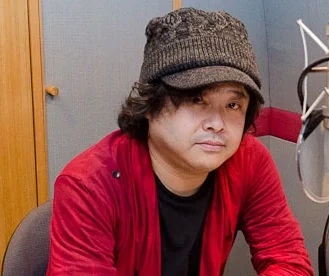
Nobuyuki Hiyama Character
Adult Link in Ocarina of Time

Fujiko Takimoto Character
Young Link in Ocarina of Time and Link in Majora’s Mask
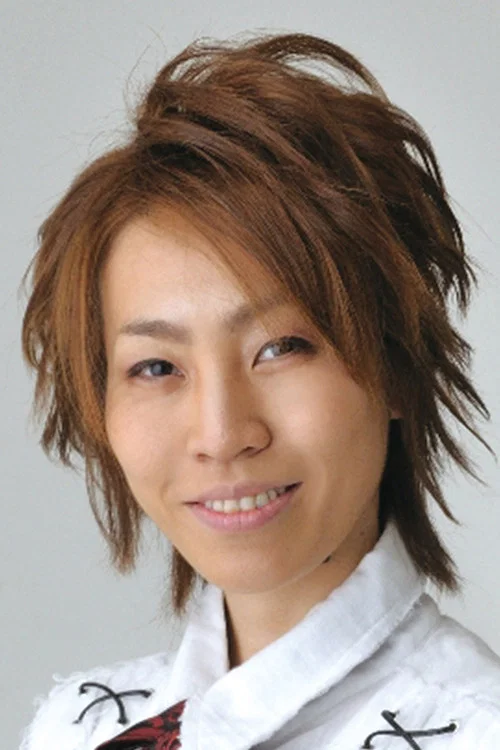
Sachi Matsumoto Character
Link in The Wind Waker
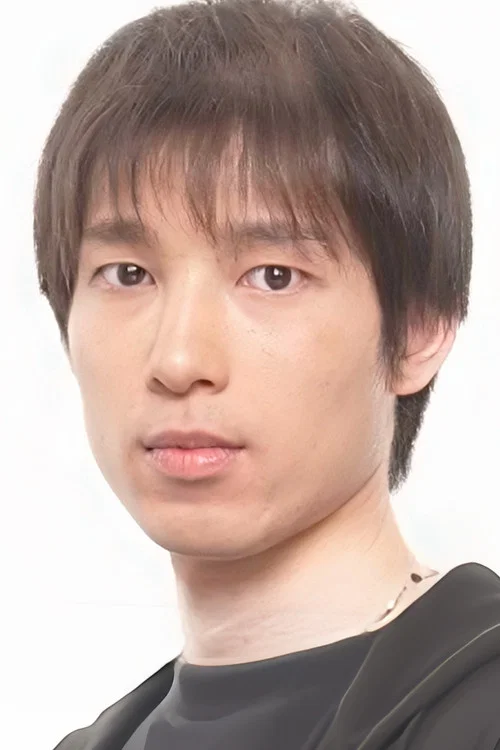
Akira Sasanuma Character
Link in Twilight Princess
Kengo Takanashi Character
Link in Breath of the Wild
The amount of vocal performance varies substantially from game to game, and older titles naturally contain little or none.
Link’s limited speech is intentional enough that Nintendo has repeatedly found ways to give him personality through facial expressions, body language and player responses instead.
Appearances Outside the Main Series
Link’s résumé extends well beyond Zelda’s main adventures.
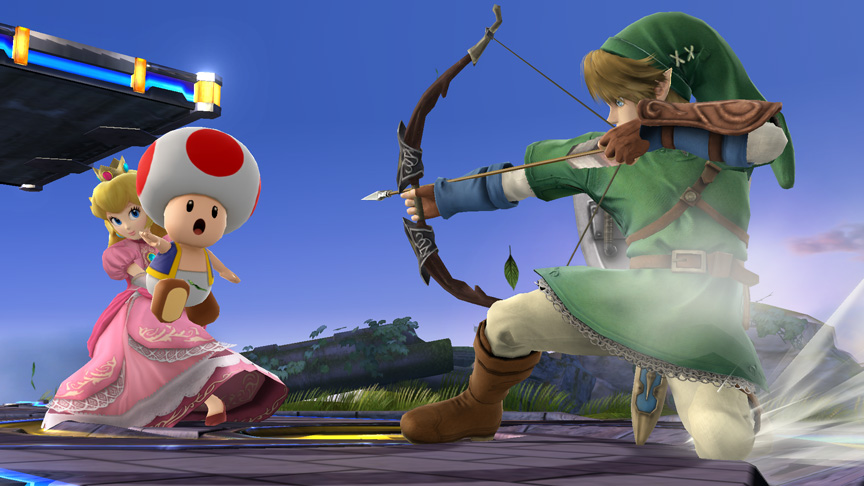
Super Smash Bros.
Link has been a playable fighter throughout the Super Smash Bros. series. Super Smash Bros. Ultimate includes Link alongside separate Young Link and Toon Link fighters.

Hyrule Warriors
The original Hyrule Warriors reimagines Link as one of many playable Zelda warriors, while Age of Calamity features the Breath of the Wild incarnation alongside Zelda, Impa and the Champions. Nintendo specifically lists Link among its playable characters.
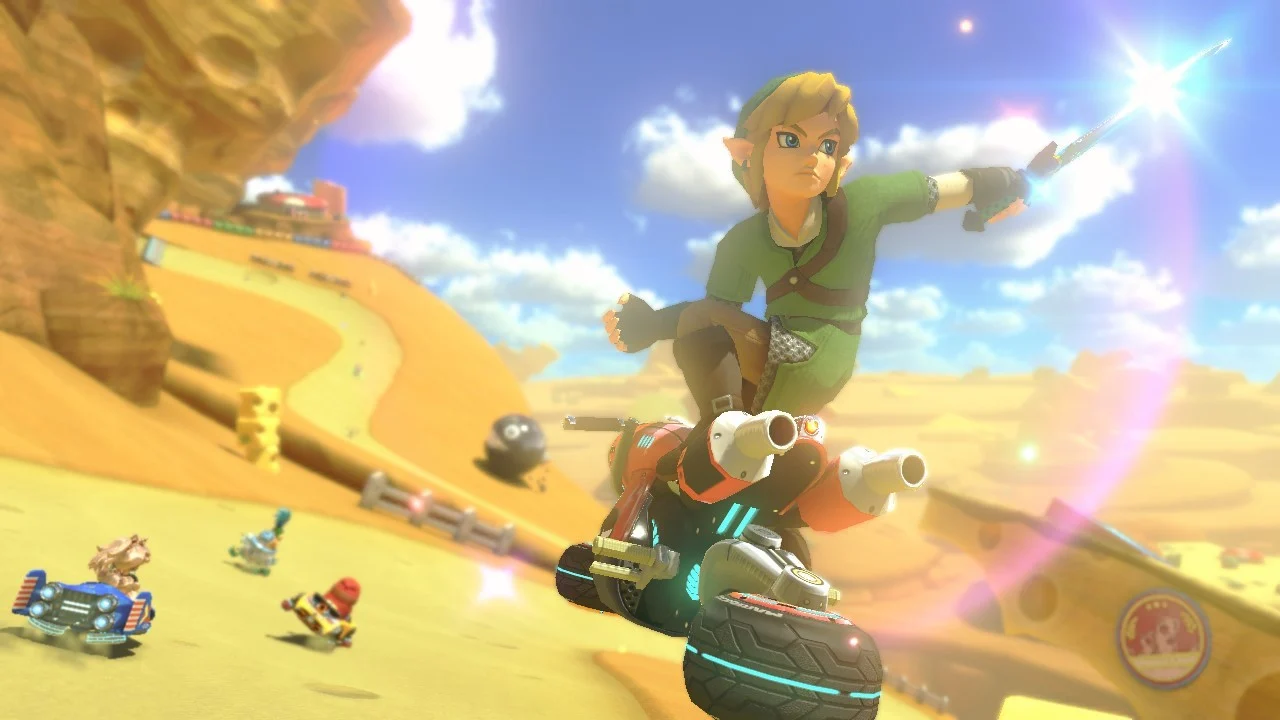
Mario Kart 8 Deluxe
Link apparently isn’t satisfied with horses.
He joins the Mario Kart 8 Deluxe roster as a heavyweight racer, complete with Zelda-inspired vehicles and the Hyrule Circuit course. The game later added a Champion’s Tunic version of Link alongside the Master Cycle Zero.
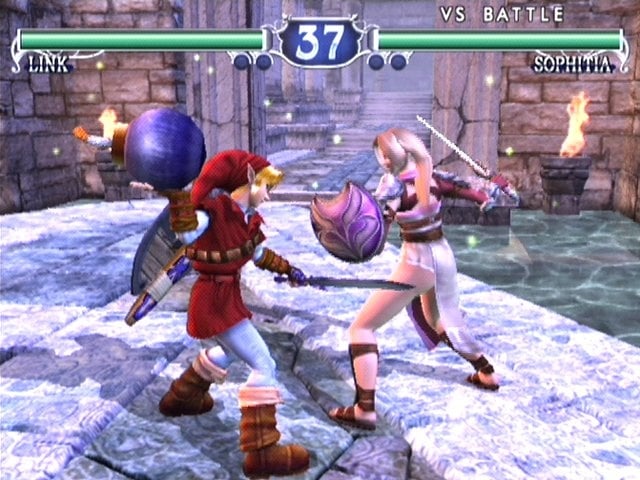
Soul Calibur II
The GameCube edition of Soul Calibur II famously includes Link as its exclusive guest fighter. Nintendo described him as the Hero of Time entering the hunt for Soul Edge.
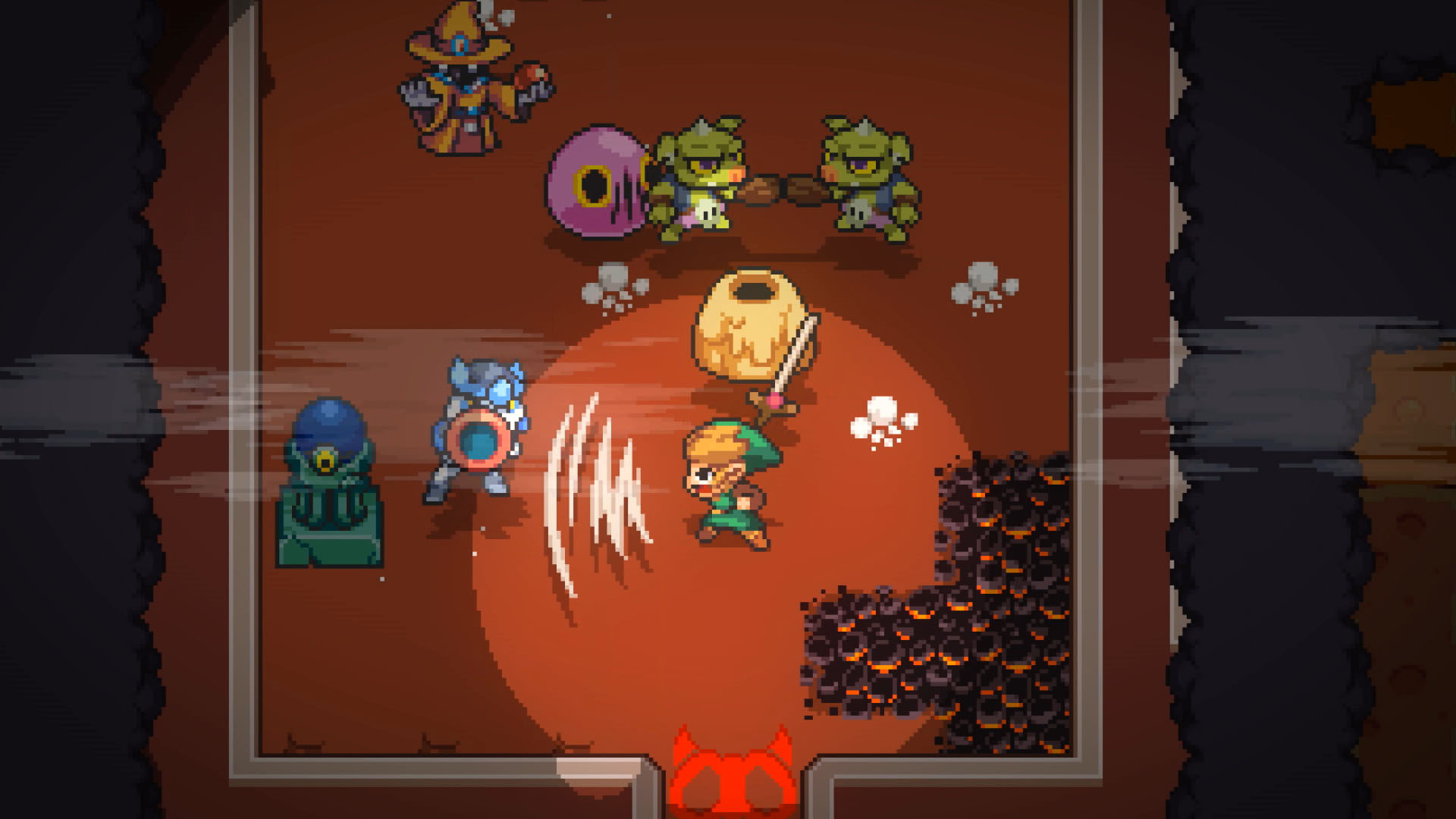
Cadence of Hyrule
Cadence of Hyrule lets players choose Link or Princess Zelda and explore a rhythm-driven version of Hyrule built around the gameplay of Crypt of the NecroDancer.
Link in the Live-Action Zelda Movie
Link is also making the jump to live action.

Nintendo has confirmed that Benjamin Evan Ainsworth will play Link in The Legend of Zelda, the live-action feature directed by Wes Ball. Bo Bragason stars opposite him as Zelda.
The movie is scheduled to open worldwide on April 30, 2027.
Follow every confirmed Zelda movie detail →
Amiibo and Merchandise
Few Zelda characters have received more amiibo variations than Link.
Nintendo has produced figures based on several incarnations, including:
- 8-Bit Link
- Ocarina of Time Link
- Majora’s Mask Link
- Twilight Princess Link
- Skyward Sword Link
- Toon Link
- Wolf Link
- Link (Archer) from Breath of the Wild
- Link (Rider) from Breath of the Wild
- Link from Link’s Awakening
- Link from Tears of the Kingdom
- Link figures from the Super Smash Bros. series
Nintendo’s official amiibo lineup continues to support many of these figures across newer games. For example, several Link amiibo can provide items or special paraglider fabrics in Tears of the Kingdom.
View every Legend of Zelda amiibo →
Link has naturally appeared on just about every other kind of Zelda merchandise imaginable as well, including statues, plush toys, apparel, controllers and collector’s items.
Frequently Asked Questions
Is Link’s name Zelda?
No. Link is the hero. Zelda is usually the princess. The confusion has followed the series for decades because the games are called The Legend of Zelda even though Link is usually the playable protagonist. Shigeru Miyamoto has joked about people assuming the green-clad hero must be Zelda.
Is every Link the same person?
No. Most major eras introduce a different hero named Link. Some games are direct sequels and use the same Link, including Ocarina of Time and Majora’s Mask, The Wind Waker and Phantom Hourglass, and Breath of the Wild and Tears of the Kingdom.
Why is he named Link?
Nintendo developers have explained the name in terms of connection. “Link” refers to binding or linking things together, with Miyamoto describing the protagonist as someone who connects people.
Is Link mute?
Not literally. Most games simply avoid giving him conventional voiced dialogue. He reacts, makes vocal sounds and is clearly capable of communicating with other characters. Modern games also give players dialogue choices that represent what Link says.
Is Link always Hylian?
Most major versions of Link are Hylian or presented as part of Hyrule’s human population, although individual games give him very different backgrounds. The Ocarina of Time Link, for example, grows up believing he belongs with the Kokiri before learning that he is Hylian.
Is Link always the holder of the Triforce of Courage?
Link is traditionally associated with the Triforce of Courage, but the Triforce does not play the same role in every game and Link doesn’t begin every adventure carrying it. Nintendo identifies Courage as his traditional piece of the Triforce alongside Zelda’s Wisdom and Ganondorf’s Power.
What is Link’s most famous title?
The Hero of Time from Ocarina of Time is probably the best-known formal title, while The Wind Waker’s Link becomes the Hero of Winds. Both titles are used directly by Nintendo.
What is Toon Link?
Toon Link is Nintendo’s name for the cel-shaded version of Link associated most closely with The Wind Waker and related appearances. It is primarily a character/design label. It should not be interpreted to mean every cel-shaded Link throughout the series is literally the same person.
What is Young Link?
Young Link generally refers to Link’s child incarnation, particularly the Hero of Time as he appears in Ocarina of Time and Majora’s Mask. The name is also used for his separate fighter in Super Smash Bros.
Who is Link’s greatest enemy?
Ganon and Ganondorf are Link’s longest-running adversaries. They appear across many eras of Zelda history, although plenty of Links face other primary villains instead.
