


















After June’s initial reveal confirmed the project existed without showing a second of in-game action, this broadcast shifted attention from corporate nostalgia to concrete game design.
Ocarina of Time Gets Its First Gameplay and a Release Date
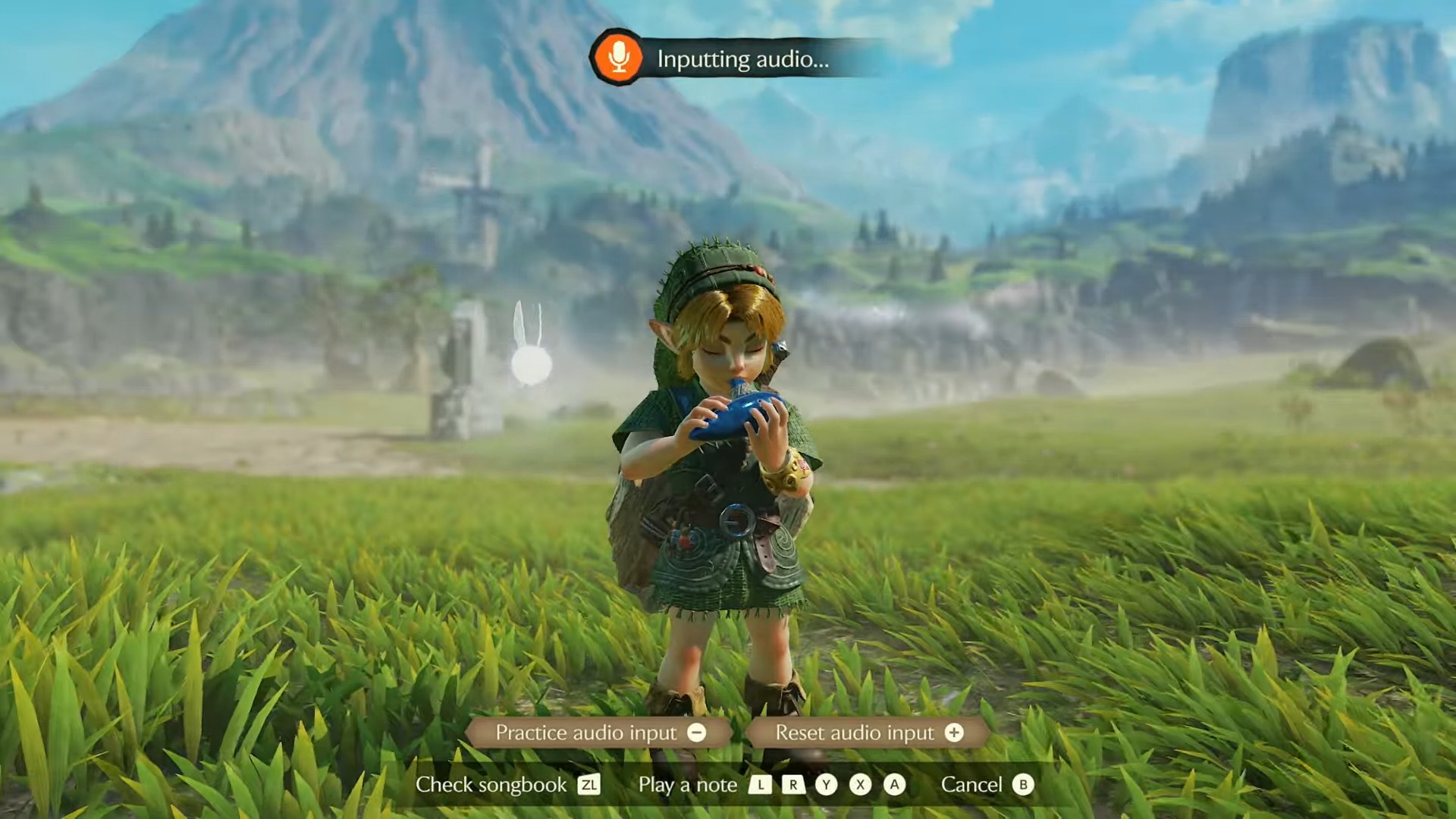
The centerpiece of the broadcast was Eiji Aonuma’s walkthrough of The Legend of Zelda: Ocarina of Time, built from the ground up for Nintendo Switch 2. It arrives November 5, 2026.
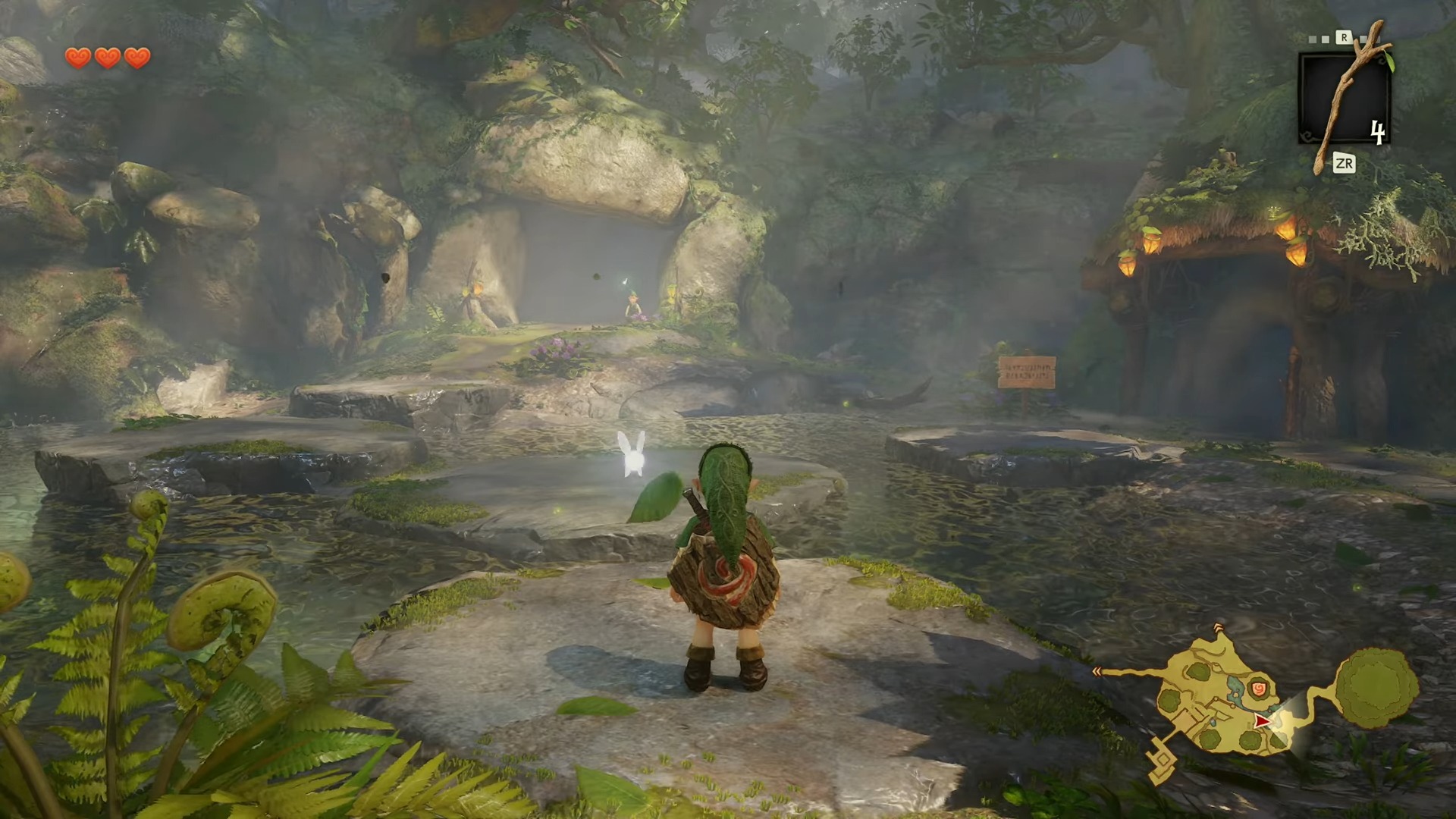
Nintendo made clear that this release is not an upscaled port of the 1998 classic or a touch-up of the 2011 3DS edition. The gameplay showcase demonstrated completely rebuilt visual assets, modernized materials, smoother performance, and substantially reduced load times. Environments across Kokiri Forest and beyond have been remodeled while retaining the compositional framing that defined their original layouts.
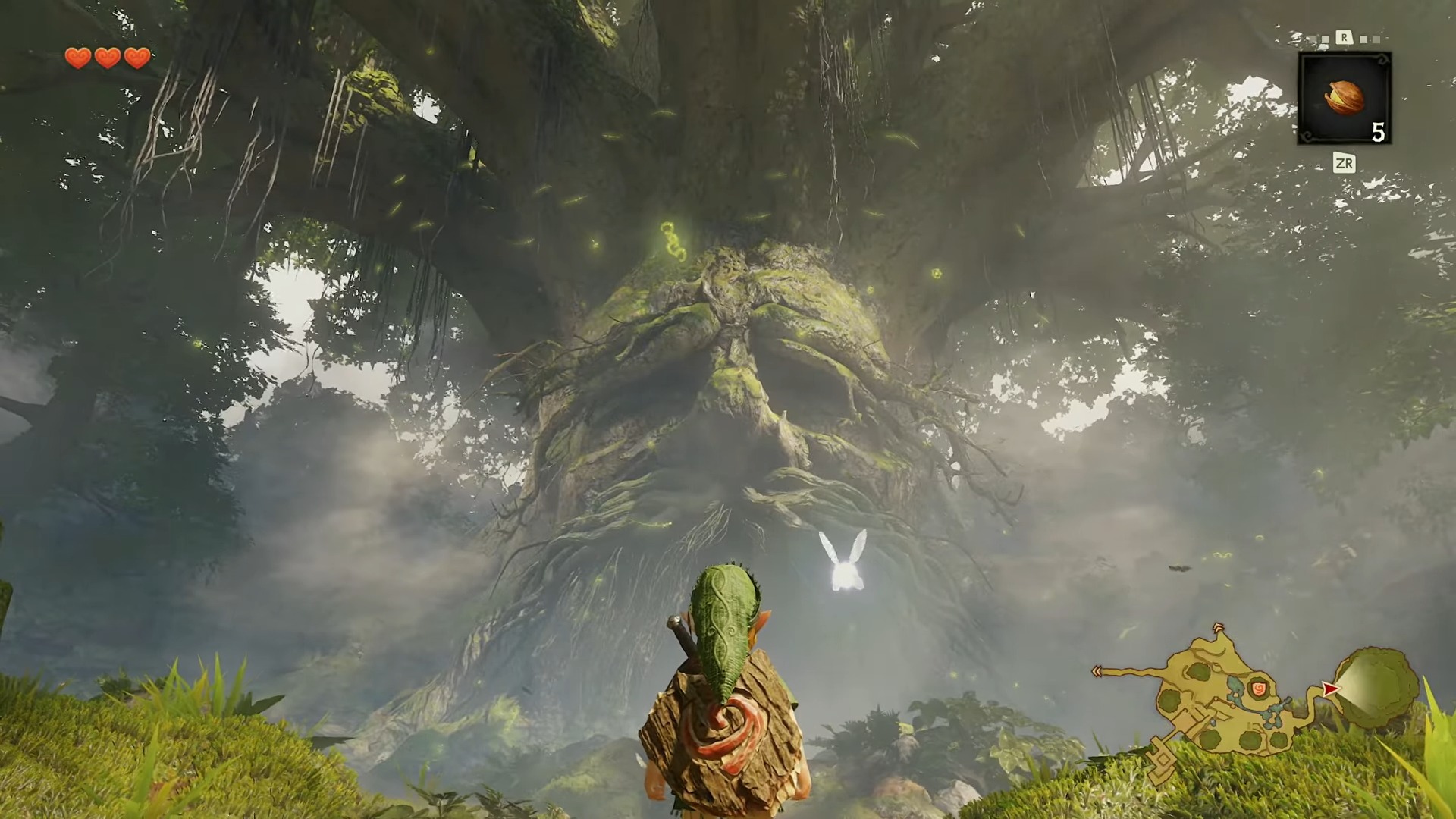
Traversal and camera handling have seen their most fundamental rework since the series transitioned to 3D. The presentation confirmed dedicated, button-controlled jumping and running commands, dismantling the contextual auto-jump mechanic that has governed 3D Zelda movement for nearly three decades. Camera control has finally shifted to the right analog stick, allowing free orbital perspective across spaces originally designed to be read through stationary angles and Z-targeting.
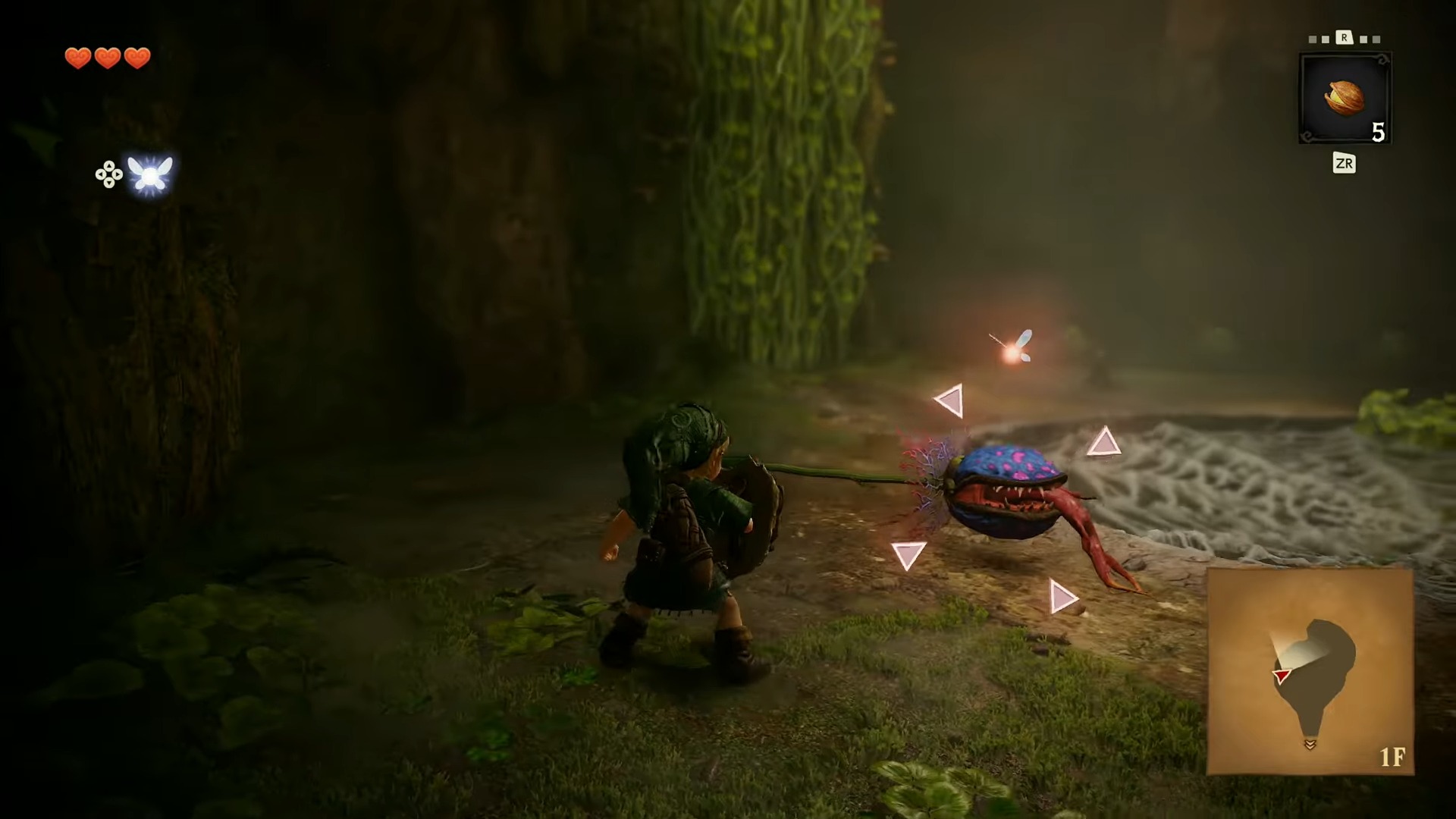
Nintendo also confirmed that cutscenes now feature voice acting alongside expanded character dialogue. The musical score has been re-recorded with a symphonic orchestra, replacing the MIDI arrangements of the original cartridge. Hyrule’s world logic has changed in ways that directly impact exploration. Nintendo revealed a continuous day/night cycle that no longer freezes when Link enters Castle Town or other settlements. Navigation has been augmented by “Threads of Time,” a system that tracks story progress, records active objectives, and dynamically weaves a visual tapestry as the narrative unfolds.
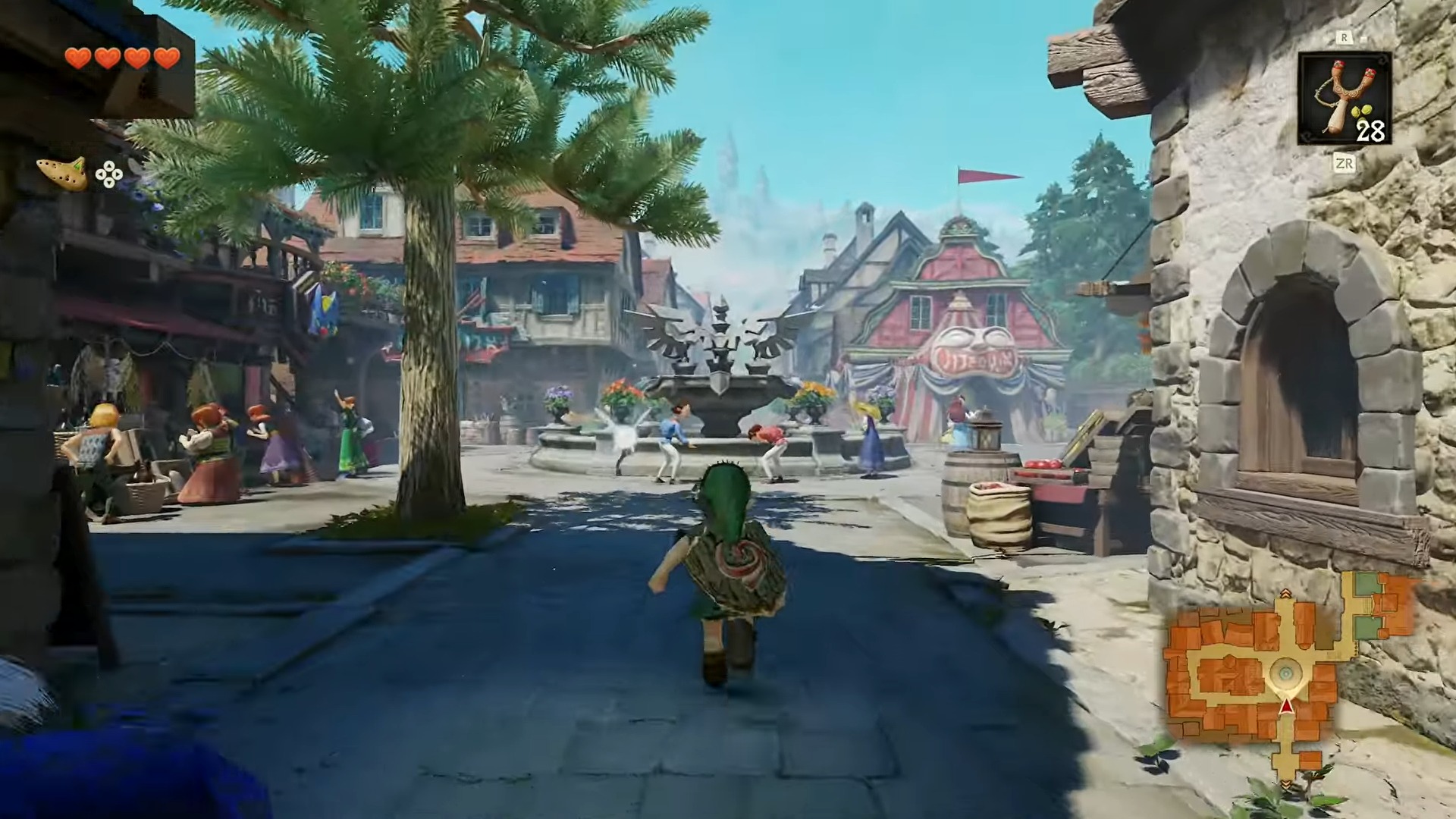
Meanwhile, the titular instrument gains hardware-level utility: players can hum or play learned melodies into the Switch 2’s built-in microphone to prompt Link to play them in-game.
Zelda’s 40th Anniversary Hardware Arrives Before the Game
Hardware collectors will not have to wait until November. Nintendo announced the Zelda 40th Anniversary Edition Nintendo Switch 2 and a matching suite of accessories, scheduled to launch on October 29, 2026.
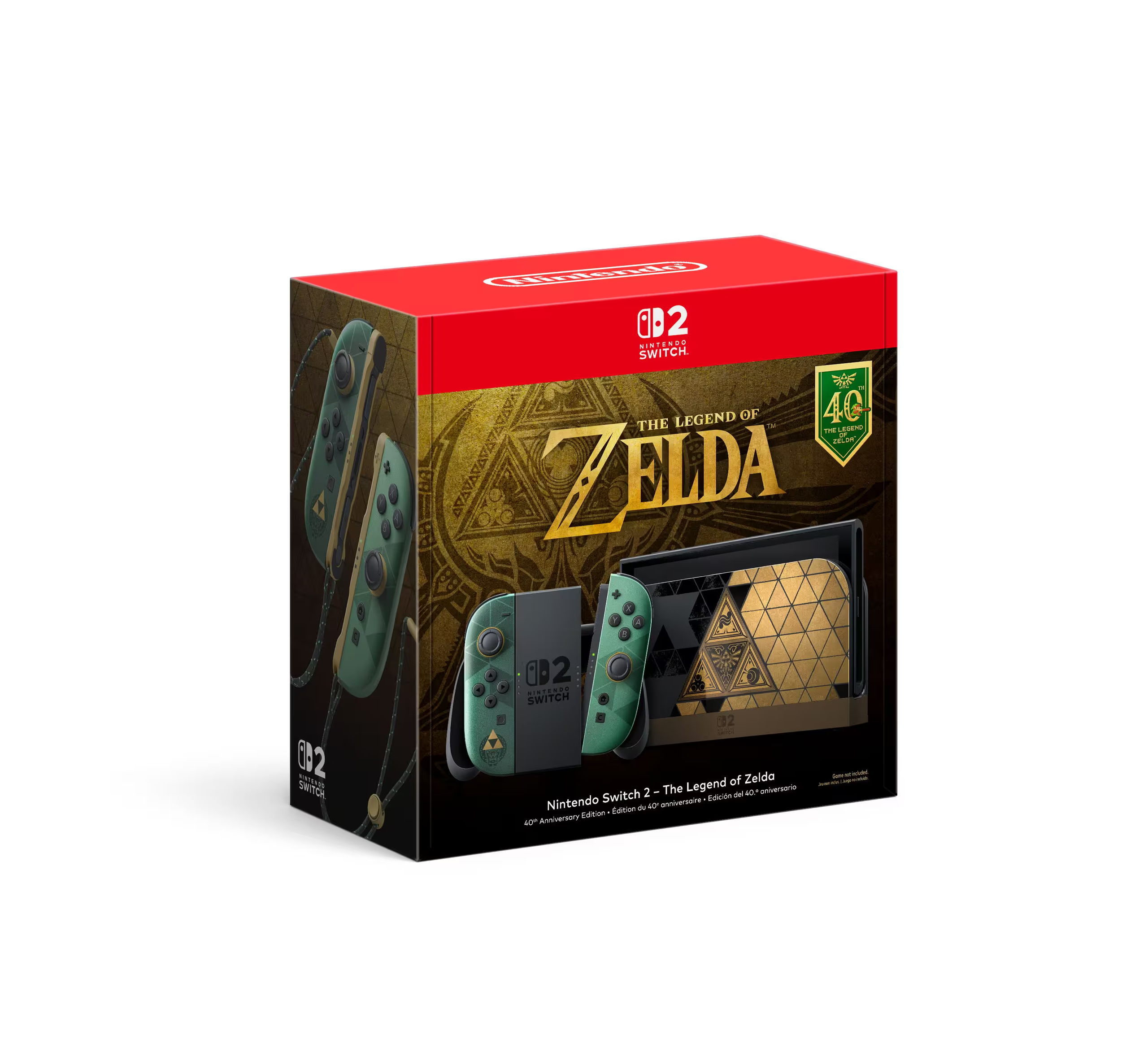
The custom system features thematic detailing across the dock, console chassis, and Joy-Con controllers, joined by standalone commemorative accessories releasing the same day. Arriving one week ahead of the Ocarina of Time launch, the hardware rollout mirrors Nintendo’s historical playbook of seeding commemorative systems into the market immediately before tentpole software arrivals.
Amiibo, Zelda Notes, and Ocarinas Extend the Celebration
The broadcast expanded the anniversary lineup with physical collectibles, digital companion tools, and dedicated merchandise:
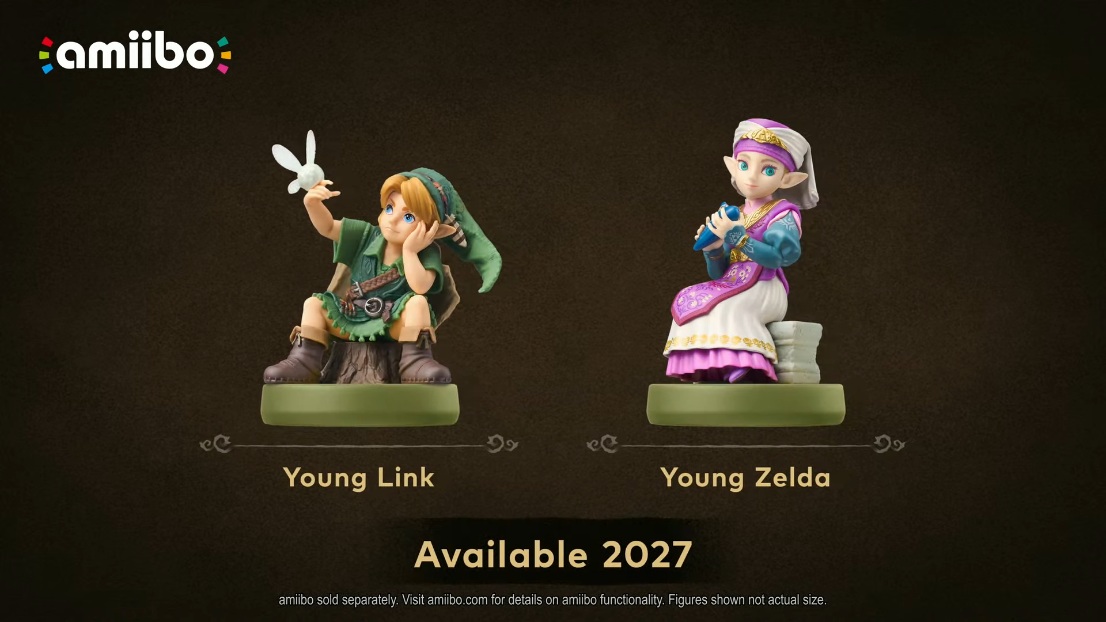
Young Link and Young Zelda amiibo: Slated for release in 2027, these figures capture the duo’s updated Switch 2 character designs. Specific in-game scan compatibility was not detailed during the broadcast.
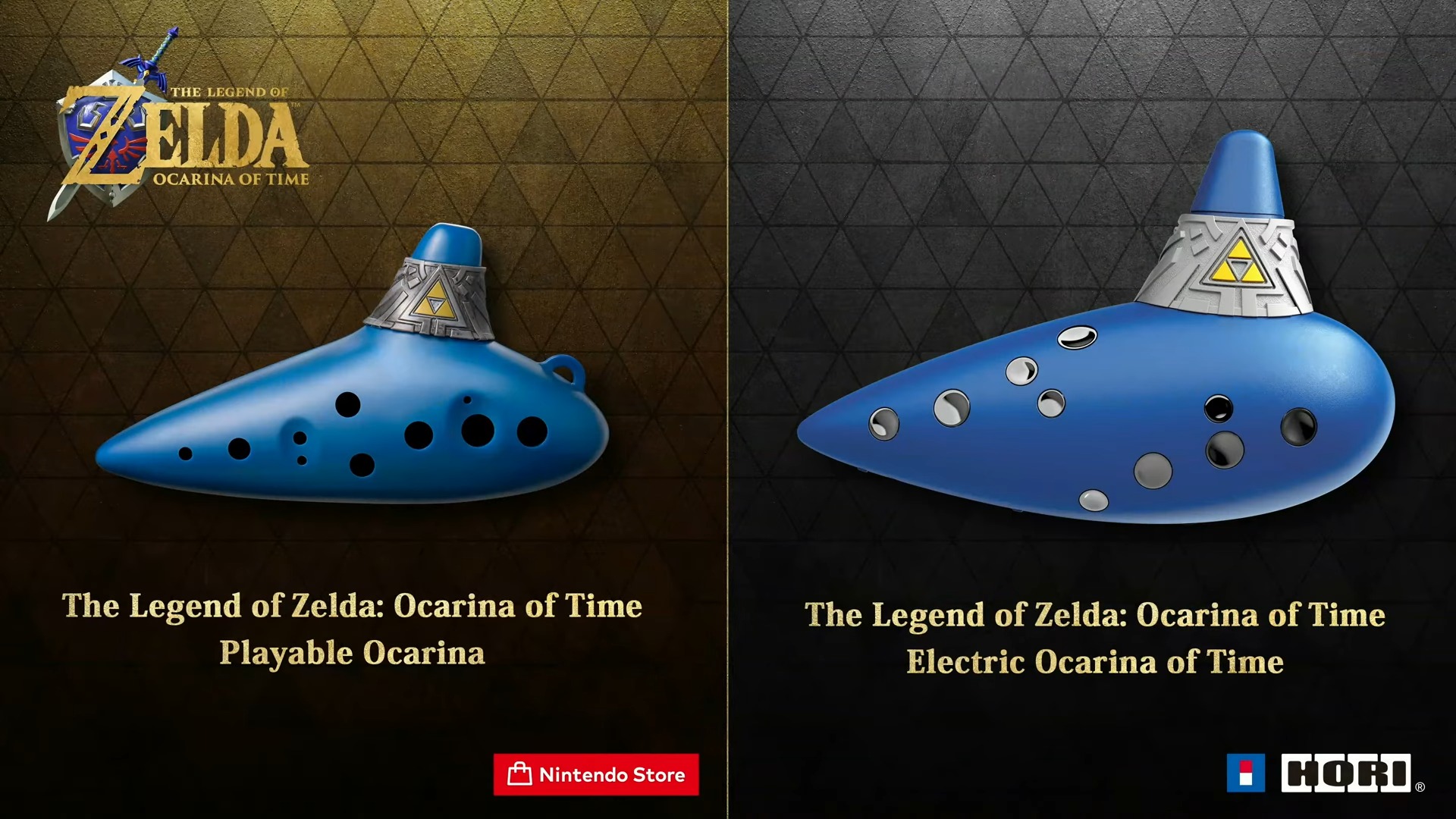
Physical and Electronic Ocarinas: Nintendo revealed official branded instruments, including standard ceramic models alongside electronic practice units designed to interface with the game’s microphone detection.
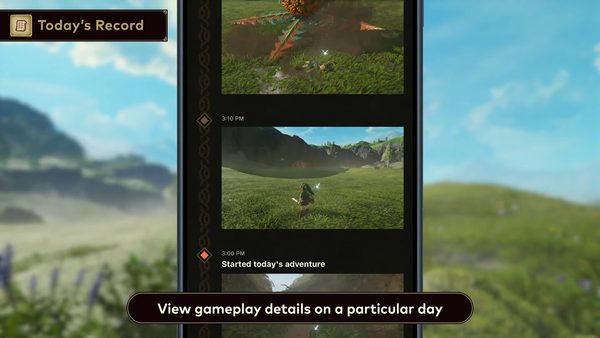
Zelda’s Notes Platform Expansion: The mobile companion platform receives an extensive anniversary overhaul, adding Daily Records, a Gossip Quest community feature, an interactive virtual ocarina, and a franchise trivia mode featuring more than 2,000 questions.
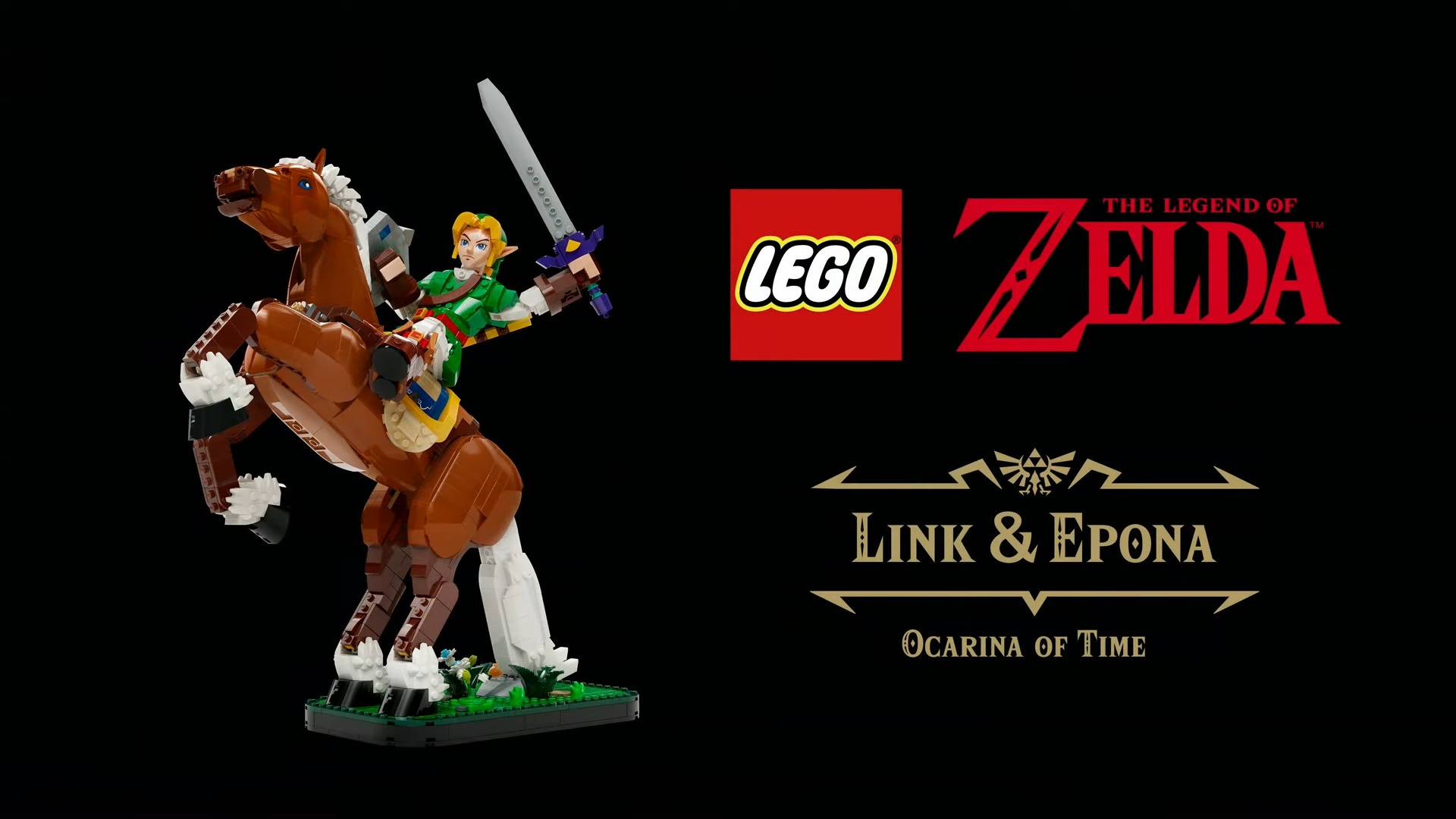
Brand Collaborations: Nintendo confirmed limited-edition collectible runs alongside LEGO and Hasbro, with additional promotional exhibits planned for the Nintendo Museum in Kyoto.
The Anniversary Is Going on Tour
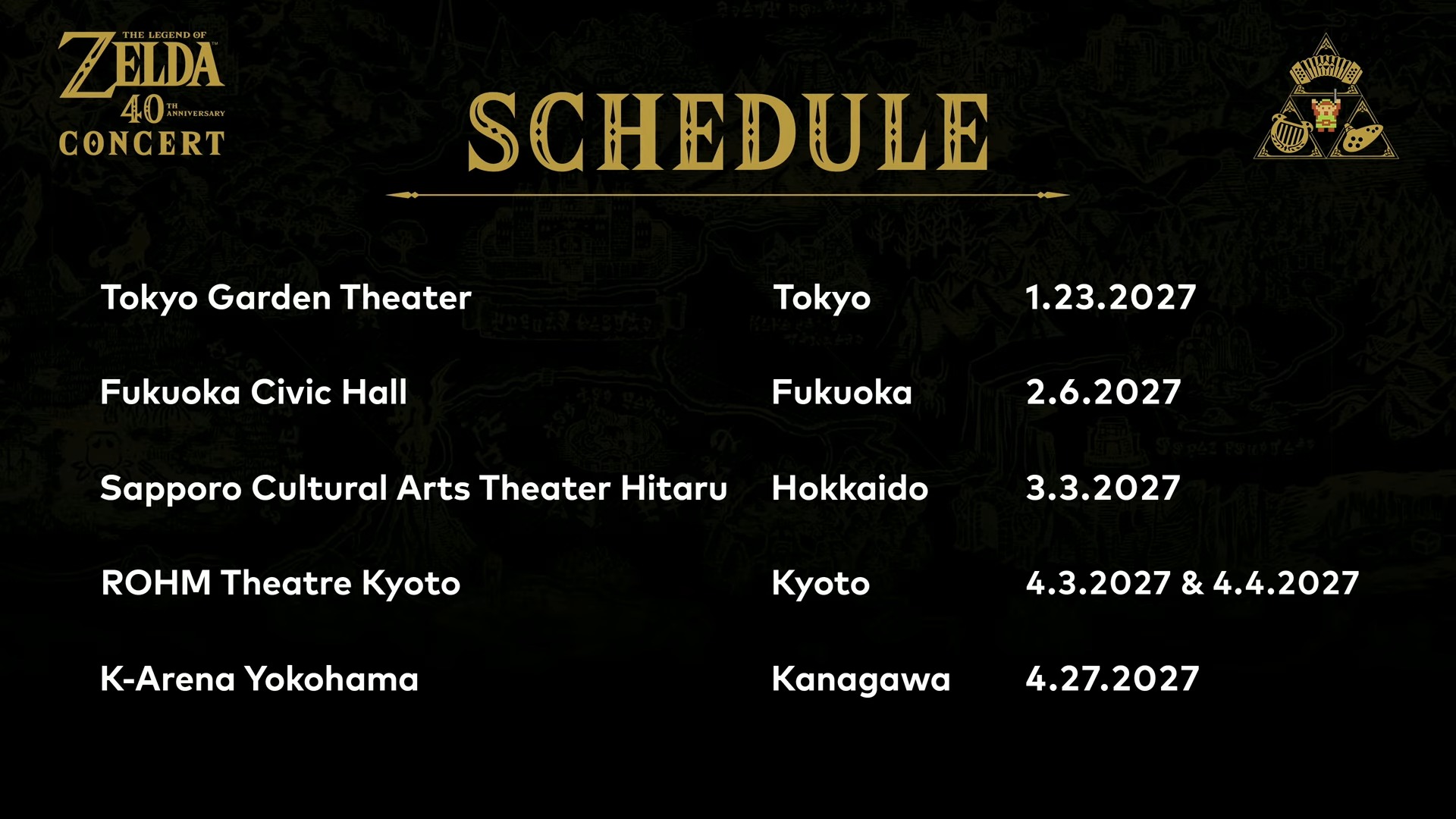
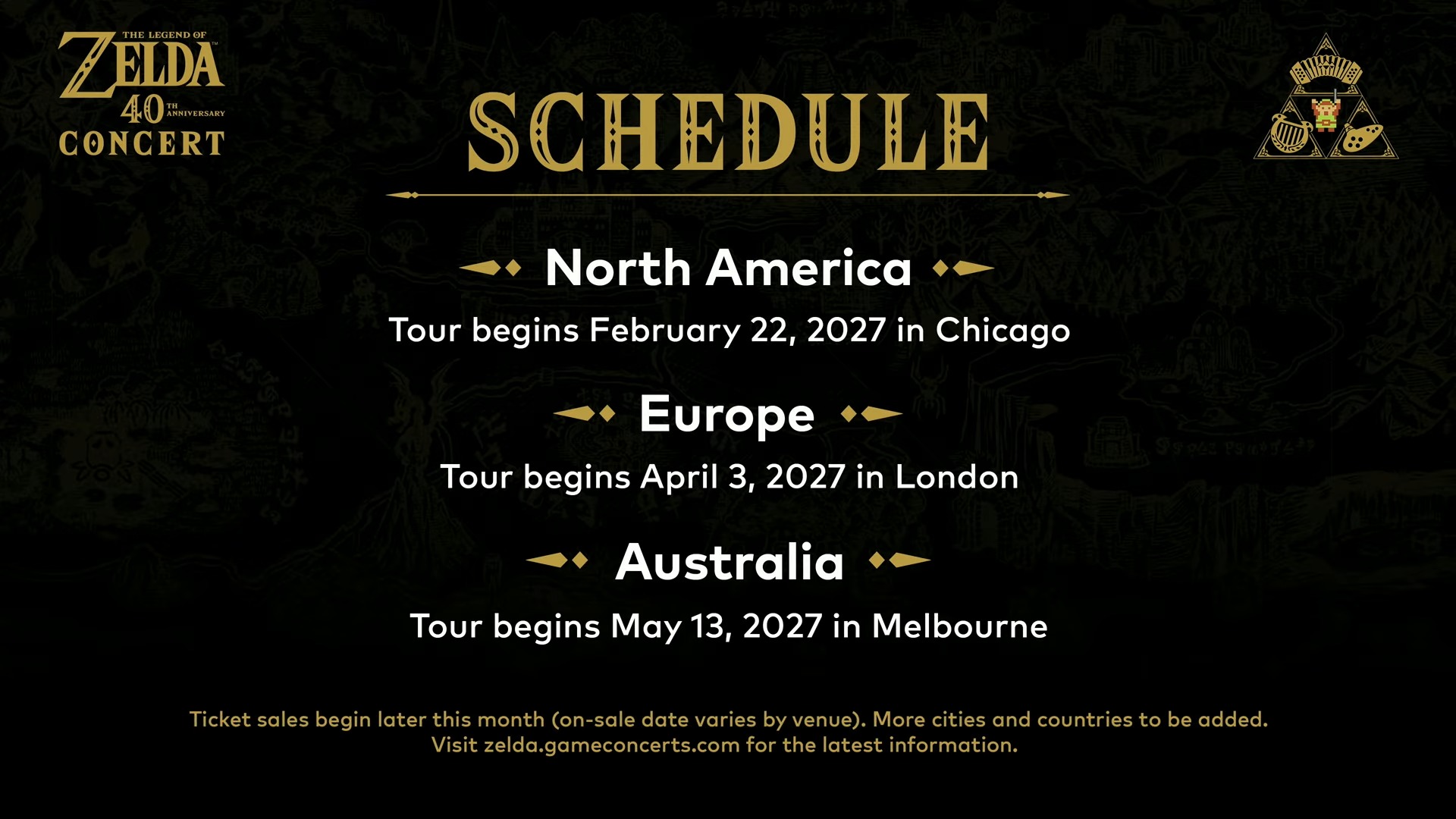
Beginning in 2027, Nintendo will stage an international symphonic concert tour commemorating 40 years of franchise music. The program will feature complete orchestral arrangements highlighting landmark scores across the series, with special focus given to the newly arranged Ocarina of Time symphonic recordings previewed during the Direct.
The Zelda Movie Has Its Worldwide Release Date
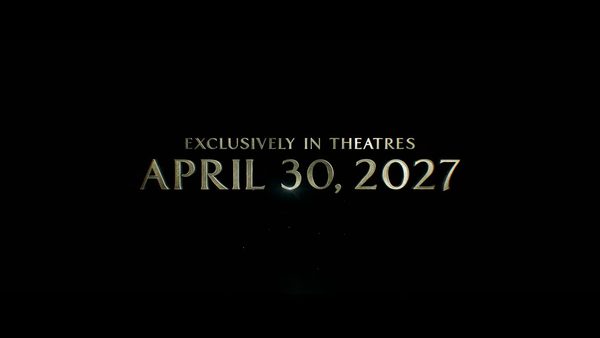
Closing the non-software portion of the presentation, Nintendo officially dated the live-action The Legend of Zelda film. Produced in collaboration with Sony Pictures and directed by Wes Ball, the theatrical adaptation will release worldwide on April 30, 2027. Nintendo did not show production stills or casting footage, keeping the focus squarely on the locked theatrical calendar.
Nintendo’s 40th anniversary blueprint establishes a deliberate pattern: the company is treating Ocarina of Time not merely as a preserved relic to celebrate, but as an active template for modern systems. By pairing systemic revisions—such as manual jumping and free camera control—with a multi-year wave of merchandise, live performance, and a confirmed cinematic release, Nintendo is using the milestone to re-anchor the franchise’s heritage squarely on Switch 2.

1 comment